

74
N. R. Jena et al.
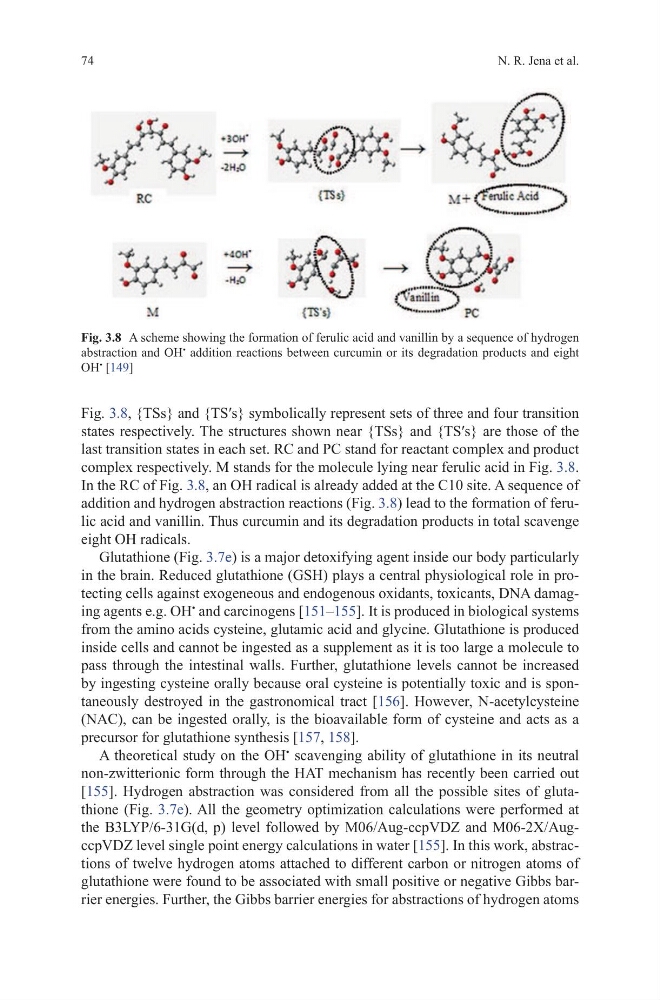
Fig. 3.8, {TSs} and {TS′s} symbolically represent sets of three and four transition
states respectively. The structures shown near {TSs} and {TS′s} are those of the
last transition states in each set. RC and PC stand for reactant complex and product
complex respectively. M stands for the molecule lying near ferulic acid in Fig. 3.8.
In the RC of Fig. 3.8, an OH radical is already added at the C10 site. A sequence of
addition and hydrogen abstraction reactions (Fig. 3.8) lead to the formation of ferulic acid and vanillin. Thus curcumin and its degradation products in total scavenge
eight OH radicals.
Glutathione (Fig. 3.7e) is a major detoxifying agent inside our body particularly
in the brain. Reduced glutathione (GSH) plays a central physiological role in protecting cells against exogeneous and endogenous oxidants, toxicants, DNA damaging agents e.g. OH
•
and carcinogens [151–155]. It is produced in biological systems
from the amino acids cysteine, glutamic acid and glycine. Glutathione is produced
inside cells and cannot be ingested as a supplement as it is too large a molecule to
pass through the intestinal walls. Further, glutathione levels cannot be increased
by ingesting cysteine orally because oral cysteine is potentially toxic and is spontaneously destroyed in the gastronomical tract [156]. However, N-acetylcysteine
(NAC), can be ingested orally, is the bioavailable form of cysteine and acts as a
precursor for glutathione synthesis [157, 158].
A theoretical study on the OH
•
scavenging ability of glutathione in its neutral
non-zwitterionic form through the HAT mechanism has recently been carried out
[155]. Hydrogen abstraction was considered from all the possible sites of glutathione (Fig. 3.7e). All the geometry optimization calculations were performed at
the B3LYP/6-31G(d, p) level followed by M06/Aug-ccpVDZ and M06-2X/AugccpVDZ level single point energy calculations in water [155]. In this work, abstractions of twelve hydrogen atoms attached to different carbon or nitrogen atoms of
glutathione were found to be associated with small positive or negative Gibbs barrier energies. Further, the Gibbs barrier energies for abstractions of hydrogen atoms
Fig. 3.8 A scheme showing the formation of ferulic acid and vanillin by a sequence of hydrogen
abstraction and OH
•
addition reactions between curcumin or its degradation products and eight
OH
•
[149]
N. R. Jena et al.
Fig. 3.8, {TSs} and {TS′s} symbolically represent sets of three and four transition
states respectively. The structures shown near {TSs} and {TS′s} are those of the
last transition states in each set. RC and PC stand for reactant complex and product
complex respectively. M stands for the molecule lying near ferulic acid in Fig. 3.8.
In the RC of Fig. 3.8, an OH radical is already added at the C10 site. A sequence of
addition and hydrogen abstraction reactions (Fig. 3.8) lead to the formation of ferulic acid and vanillin. Thus curcumin and its degradation products in total scavenge
eight OH radicals.
Glutathione (Fig. 3.7e) is a major detoxifying agent inside our body particularly
in the brain. Reduced glutathione (GSH) plays a central physiological role in protecting cells against exogeneous and endogenous oxidants, toxicants, DNA damaging agents e.g. OH
•
and carcinogens [151–155]. It is produced in biological systems
from the amino acids cysteine, glutamic acid and glycine. Glutathione is produced
inside cells and cannot be ingested as a supplement as it is too large a molecule to
pass through the intestinal walls. Further, glutathione levels cannot be increased
by ingesting cysteine orally because oral cysteine is potentially toxic and is spontaneously destroyed in the gastronomical tract [156]. However, N-acetylcysteine
(NAC), can be ingested orally, is the bioavailable form of cysteine and acts as a
precursor for glutathione synthesis [157, 158].
A theoretical study on the OH
•
scavenging ability of glutathione in its neutral
non-zwitterionic form through the HAT mechanism has recently been carried out
[155]. Hydrogen abstraction was considered from all the possible sites of glutathione (Fig. 3.7e). All the geometry optimization calculations were performed at
the B3LYP/6-31G(d, p) level followed by M06/Aug-ccpVDZ and M06-2X/AugccpVDZ level single point energy calculations in water [155]. In this work, abstractions of twelve hydrogen atoms attached to different carbon or nitrogen atoms of
glutathione were found to be associated with small positive or negative Gibbs barrier energies. Further, the Gibbs barrier energies for abstractions of hydrogen atoms
Fig. 3.8 A scheme showing the formation of ferulic acid and vanillin by a sequence of hydrogen
abstraction and OH
•
addition reactions between curcumin or its degradation products and eight
OH
•
[149]