

demonstrated by three case studies, including adoptive immunotherapy, cell reprogramming, and miRNA interrogation.
Adoptive transfer of natural killer (NK) cells or T cells to force
expressing chimeric antigen receptor (CAR) has emerged as a
powerful immunotherapy tool [3] with the successful demonstration in clinical treatment of acute lymphoblastic leukemia (ALL)
and chronic lymphocytic leukemia (CLL) [4, 5]. Natural killer
(NK) cells are CD56+ CD3
À lymphocytes that can kill virally
infected and transformed cells [4]. However, this defense mechanism is blocked due to gene mutation and abnormal regulation of
proteins, which lead to malfunctions of antigen recognition and
inability for antigen defense. Genetically engineered NK cells
show pronounced antitumor activities by transfection of CARs.
CARs are hybrid receptors comprising a ligand for cell surface
molecule and consisting of scFv (single chain variable fragment)
or antigen binding-fragment [3]. These CARs target specific
tumor antigen and kill the tumor cells. For example, CAR NK
cells targeting CS1 surface protein can be used to treat multiple
myeloma [4]. Compared to siRNA encoded CAR, the most stable
adoptive immunotherapy enabling generation passage could be
achieved by delivery of DNA-based CAR plasmids. The dominant
issue associated with CAR plasmids, however, is the difficulty as
regards their transport across the cell membrane for functioning
with high efficiency.
Another research area in which 3D NEP systems show
promising potentials is for delivery of OSKM (OCT-4, SOX2,
KCL-1, c-MYC, ~13 kbp) transcriptional factors for genetic
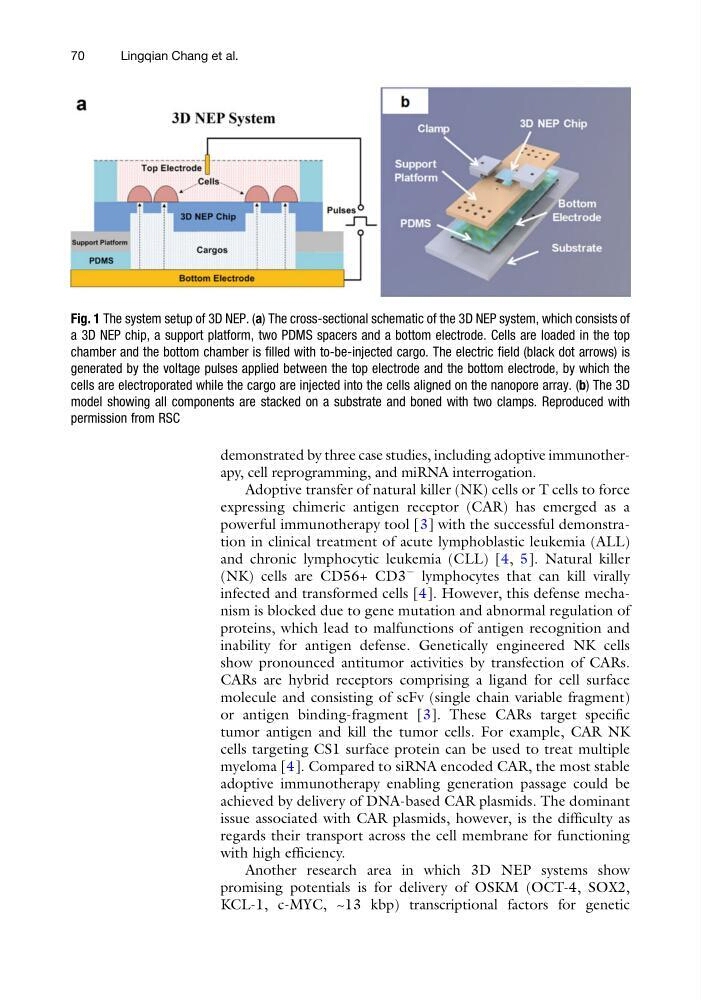
Fig. 1 The system setup of 3D NEP. (a) The cross-sectional schematic of the 3D NEP system, which consists of
a 3D NEP chip, a support platform, two PDMS spacers and a bottom electrode. Cells are loaded in the top
chamber and the bottom chamber is filled with to-be-injected cargo. The electric field (black dot arrows) is
generated by the voltage pulses applied between the top electrode and the bottom electrode, by which the
cells are electroporated while the cargo are injected into the cells aligned on the nanopore array. (b) The 3D
model showing all components are stacked on a substrate and boned with two clamps. Reproduced with
permission from RSC
70
Lingqian Chang et al.
Adoptive transfer of natural killer (NK) cells or T cells to force
expressing chimeric antigen receptor (CAR) has emerged as a
powerful immunotherapy tool [3] with the successful demonstration in clinical treatment of acute lymphoblastic leukemia (ALL)
and chronic lymphocytic leukemia (CLL) [4, 5]. Natural killer
(NK) cells are CD56+ CD3
À lymphocytes that can kill virally
infected and transformed cells [4]. However, this defense mechanism is blocked due to gene mutation and abnormal regulation of
proteins, which lead to malfunctions of antigen recognition and
inability for antigen defense. Genetically engineered NK cells
show pronounced antitumor activities by transfection of CARs.
CARs are hybrid receptors comprising a ligand for cell surface
molecule and consisting of scFv (single chain variable fragment)
or antigen binding-fragment [3]. These CARs target specific
tumor antigen and kill the tumor cells. For example, CAR NK
cells targeting CS1 surface protein can be used to treat multiple
myeloma [4]. Compared to siRNA encoded CAR, the most stable
adoptive immunotherapy enabling generation passage could be
achieved by delivery of DNA-based CAR plasmids. The dominant
issue associated with CAR plasmids, however, is the difficulty as
regards their transport across the cell membrane for functioning
with high efficiency.
Another research area in which 3D NEP systems show
promising potentials is for delivery of OSKM (OCT-4, SOX2,
KCL-1, c-MYC, ~13 kbp) transcriptional factors for genetic
Fig. 1 The system setup of 3D NEP. (a) The cross-sectional schematic of the 3D NEP system, which consists of
a 3D NEP chip, a support platform, two PDMS spacers and a bottom electrode. Cells are loaded in the top
chamber and the bottom chamber is filled with to-be-injected cargo. The electric field (black dot arrows) is
generated by the voltage pulses applied between the top electrode and the bottom electrode, by which the
cells are electroporated while the cargo are injected into the cells aligned on the nanopore array. (b) The 3D
model showing all components are stacked on a substrate and boned with two clamps. Reproduced with
permission from RSC
70
Lingqian Chang et al.