

20
2 Experimental and Theoretical Considerations
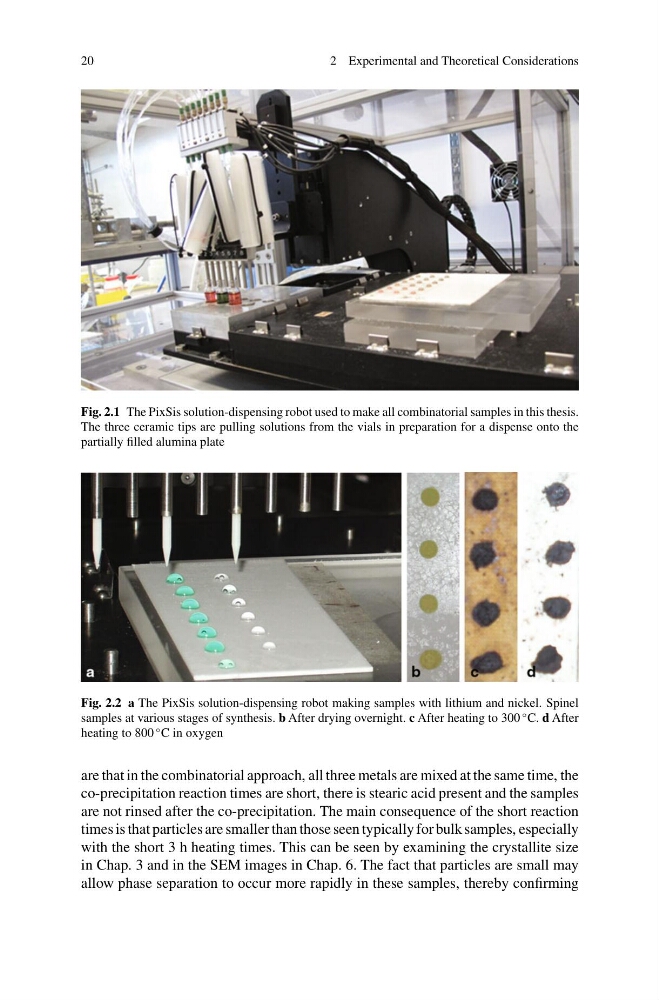
Fig. 2.1 The PixSis solution-dispensing robot used to make all combinatorial samples in this thesis.
The three ceramic tips are pulling solutions from the vials in preparation for a dispense onto the
partially filled alumina plate
Fig. 2.2 a The PixSis solution-dispensing robot making samples with lithium and nickel. Spinel
samples at various stages of synthesis. b After drying overnight. c After heating to 300
◦ C. d After
heating to 800
◦ C in oxygen
are that in the combinatorial approach, all three metals are mixed at the same time, the
co-precipitation reaction times are short, there is stearic acid present and the samples
are not rinsed after the co-precipitation. The main consequence of the short reaction
times is that particles are smaller than those seen typically for bulk samples, especially
with the short 3 h heating times. This can be seen by examining the crystallite size
in Chap. 3 and in the SEM images in Chap. 6. The fact that particles are small may
allow phase separation to occur more rapidly in these samples, thereby confirming
2 Experimental and Theoretical Considerations
Fig. 2.1 The PixSis solution-dispensing robot used to make all combinatorial samples in this thesis.
The three ceramic tips are pulling solutions from the vials in preparation for a dispense onto the
partially filled alumina plate
Fig. 2.2 a The PixSis solution-dispensing robot making samples with lithium and nickel. Spinel
samples at various stages of synthesis. b After drying overnight. c After heating to 300
◦ C. d After
heating to 800
◦ C in oxygen
are that in the combinatorial approach, all three metals are mixed at the same time, the
co-precipitation reaction times are short, there is stearic acid present and the samples
are not rinsed after the co-precipitation. The main consequence of the short reaction
times is that particles are smaller than those seen typically for bulk samples, especially
with the short 3 h heating times. This can be seen by examining the crystallite size
in Chap. 3 and in the SEM images in Chap. 6. The fact that particles are small may
allow phase separation to occur more rapidly in these samples, thereby confirming