

5.3 Supercomputing and Distributed Computing Infrastructures
177
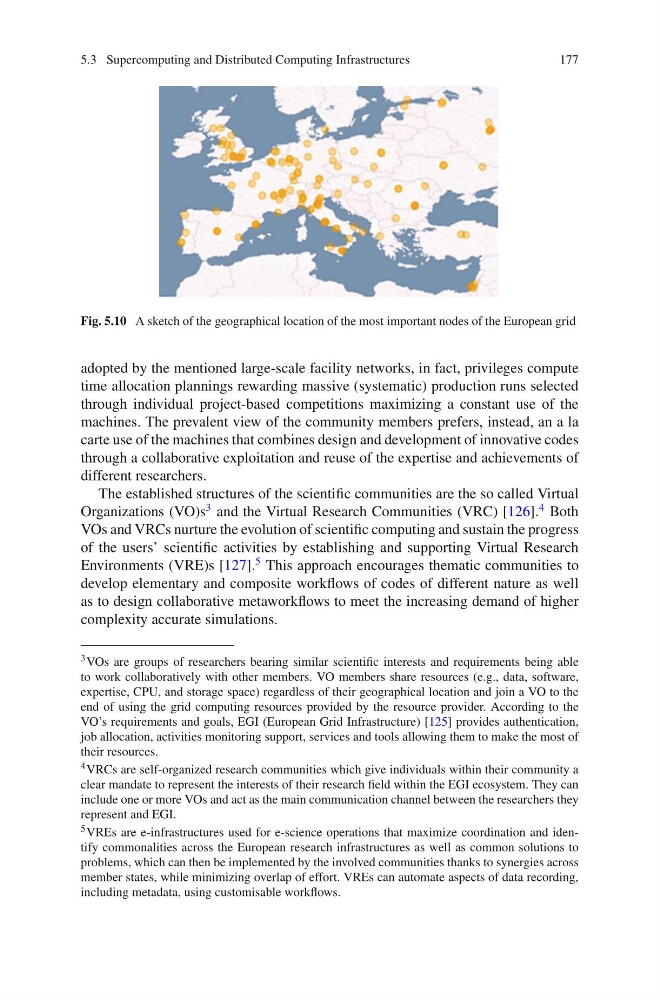
Fig. 5.10 A sketch of the geographical location of the most important nodes of the European grid
adopted by the mentioned large-scale facility networks, in fact, privileges compute
time allocation plannings rewarding massive (systematic) production runs selected
through individual project-based competitions maximizing a constant use of the
machines. The prevalent view of the community members prefers, instead, an a la
carte use of the machines that combines design and development of innovative codes
through a collaborative exploitation and reuse of the expertise and achievements of
different researchers.
The established structures of the scientific communities are the so called Virtual
Organizations (VO)s
3 and the Virtual Research Communities (VRC) [126].
4 Both
VOs and VRCs nurture the evolution of scientific computing and sustain the progress
of the users’ scientific activities by establishing and supporting Virtual Research
Environments (VRE)s [127].
5 This approach encourages thematic communities to
develop elementary and composite workflows of codes of different nature as well
as to design collaborative metaworkflows to meet the increasing demand of higher
complexity accurate simulations.
3 VOs are groups of researchers bearing similar scientific interests and requirements being able
to work collaboratively with other members. VO members share resources (e.g., data, software,
expertise, CPU, and storage space) regardless of their geographical location and join a VO to the
end of using the grid computing resources provided by the resource provider. According to the
VO’s requirements and goals, EGI (European Grid Infrastructure) [125] provides authentication,
job allocation, activities monitoring support, services and tools allowing them to make the most of
their resources.
4 VRCs are self-organized research communities which give individuals within their community a
clear mandate to represent the interests of their research field within the EGI ecosystem. They can
include one or more VOs and act as the main communication channel between the researchers they
represent and EGI.
5 VREs are e-infrastructures used for e-science operations that maximize coordination and identify commonalities across the European research infrastructures as well as common solutions to
problems, which can then be implemented by the involved communities thanks to synergies across
member states, while minimizing overlap of effort. VREs can automate aspects of data recording,
including metadata, using customisable workflows.
177
Fig. 5.10 A sketch of the geographical location of the most important nodes of the European grid
adopted by the mentioned large-scale facility networks, in fact, privileges compute
time allocation plannings rewarding massive (systematic) production runs selected
through individual project-based competitions maximizing a constant use of the
machines. The prevalent view of the community members prefers, instead, an a la
carte use of the machines that combines design and development of innovative codes
through a collaborative exploitation and reuse of the expertise and achievements of
different researchers.
The established structures of the scientific communities are the so called Virtual
Organizations (VO)s
3 and the Virtual Research Communities (VRC) [126].
4 Both
VOs and VRCs nurture the evolution of scientific computing and sustain the progress
of the users’ scientific activities by establishing and supporting Virtual Research
Environments (VRE)s [127].
5 This approach encourages thematic communities to
develop elementary and composite workflows of codes of different nature as well
as to design collaborative metaworkflows to meet the increasing demand of higher
complexity accurate simulations.
3 VOs are groups of researchers bearing similar scientific interests and requirements being able
to work collaboratively with other members. VO members share resources (e.g., data, software,
expertise, CPU, and storage space) regardless of their geographical location and join a VO to the
end of using the grid computing resources provided by the resource provider. According to the
VO’s requirements and goals, EGI (European Grid Infrastructure) [125] provides authentication,
job allocation, activities monitoring support, services and tools allowing them to make the most of
their resources.
4 VRCs are self-organized research communities which give individuals within their community a
clear mandate to represent the interests of their research field within the EGI ecosystem. They can
include one or more VOs and act as the main communication channel between the researchers they
represent and EGI.
5 VREs are e-infrastructures used for e-science operations that maximize coordination and identify commonalities across the European research infrastructures as well as common solutions to
problems, which can then be implemented by the involved communities thanks to synergies across
member states, while minimizing overlap of effort. VREs can automate aspects of data recording,
including metadata, using customisable workflows.