

289
The Folin-Ciocalteu assay has been applied to extraction processes using natural
deep eutectic solvent. Most of the works use this method to quantify and to assess
the efficacy of polyphenol extraction in those media (Manousaki et al. 2016; Bakirtzi
et al. 2016; Patsea et al. 2017; Georgantzi et al. 2017; Cao et al. 2018c; Skulcova
et al. 2018; Athanasiadis et al. 2018a, b; Jeong et al. 2018; Yoo et al. 2018; Chanioti
and Tzia 2018; Mocan et al. 2019; Pavić et al. 2019; Mamilla et al. 2019; Pal and
Jadeja 2019; Obluchinskaya et al. 2019; Rajha et al. 2019; El Kantar et al. 2019).
The Folin-Ciocalteu reagent consists in mixture of phosphomolybdic and phosphotungstic acids, which lead to the formation of blue oxides of tungsten (W 8 O 23 ) and
molybdenum (Mo 8 O 23 ) in the presence of reductive species. The reaction occurs
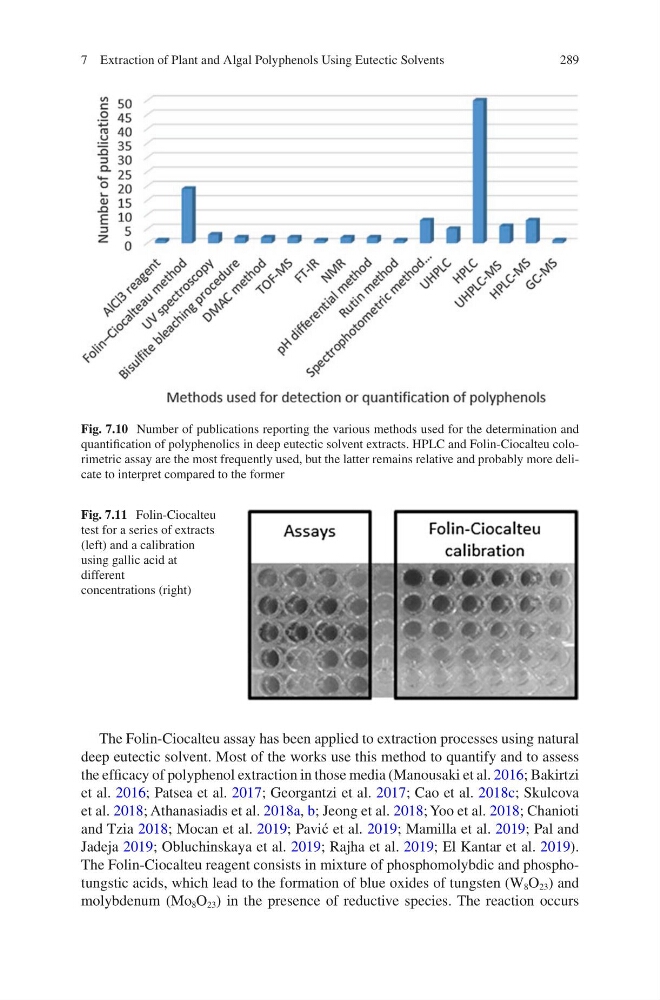
Fig. 7.10 Number of publications reporting the various methods used for the determination and
quantification of polyphenolics in deep eutectic solvent extracts. HPLC and Folin-Ciocalteu colorimetric assay are the most frequently used, but the latter remains relative and probably more delicate to interpret compared to the former
Fig. 7.11 Folin-Ciocalteu
test for a series of extracts
(left) and a calibration
using gallic acid at
different
concentrations (right)
7 Extraction of Plant and Algal Polyphenols Using Eutectic Solvents
The Folin-Ciocalteu assay has been applied to extraction processes using natural
deep eutectic solvent. Most of the works use this method to quantify and to assess
the efficacy of polyphenol extraction in those media (Manousaki et al. 2016; Bakirtzi
et al. 2016; Patsea et al. 2017; Georgantzi et al. 2017; Cao et al. 2018c; Skulcova
et al. 2018; Athanasiadis et al. 2018a, b; Jeong et al. 2018; Yoo et al. 2018; Chanioti
and Tzia 2018; Mocan et al. 2019; Pavić et al. 2019; Mamilla et al. 2019; Pal and
Jadeja 2019; Obluchinskaya et al. 2019; Rajha et al. 2019; El Kantar et al. 2019).
The Folin-Ciocalteu reagent consists in mixture of phosphomolybdic and phosphotungstic acids, which lead to the formation of blue oxides of tungsten (W 8 O 23 ) and
molybdenum (Mo 8 O 23 ) in the presence of reductive species. The reaction occurs
Fig. 7.10 Number of publications reporting the various methods used for the determination and
quantification of polyphenolics in deep eutectic solvent extracts. HPLC and Folin-Ciocalteu colorimetric assay are the most frequently used, but the latter remains relative and probably more delicate to interpret compared to the former
Fig. 7.11 Folin-Ciocalteu
test for a series of extracts
(left) and a calibration
using gallic acid at
different
concentrations (right)
7 Extraction of Plant and Algal Polyphenols Using Eutectic Solvents