

217
Deep Eutectic Solvent-Based Negative-Pressure Cavitation-Assisted
Extraction Method Combined with Macroporous Resin Enrichment
In this method (Fig. 6.13), millions of tiny vapor bubbles (voids) are formed in the
liquid by the help of a machine that induces pressure (for example, pumps, turbines,
and propellers). Firstly, the heating system of the negative-pressure cavitationassisted extraction is turned on, and the water is heated. The sample is then introduced. After adding the deep eutectic solvent, this device is connected to the vacuum
pump during all the extraction time. The deep eutectic solvent extraction solution
obtained under optimized extraction conditions flowed through the column packed
with macroporous resins at a constant flow rate. The adsorbed analytes were washed
with deionized water and then eluted with 95% aqueous ethanol (v/v). The ethanolic
fraction was collected and analyzed. Deep eutectic solvent showed better extractability than tested 80% ethanol solvent with the same technique. Moreover, deep
eutectic solvent negative-pressure cavitation-assisted extraction yields were higher
than that of deep eutectic solvent-based ultrasound extraction method (Qi et al.
2015). This method can be highly used for the thermolabile compounds because
negative-pressure cavitation-assisted extraction is performed at room temperature.
Additionally, the oxidation of these compounds is avoided as air is excluded in the
extraction process (Liu et al. 2009).
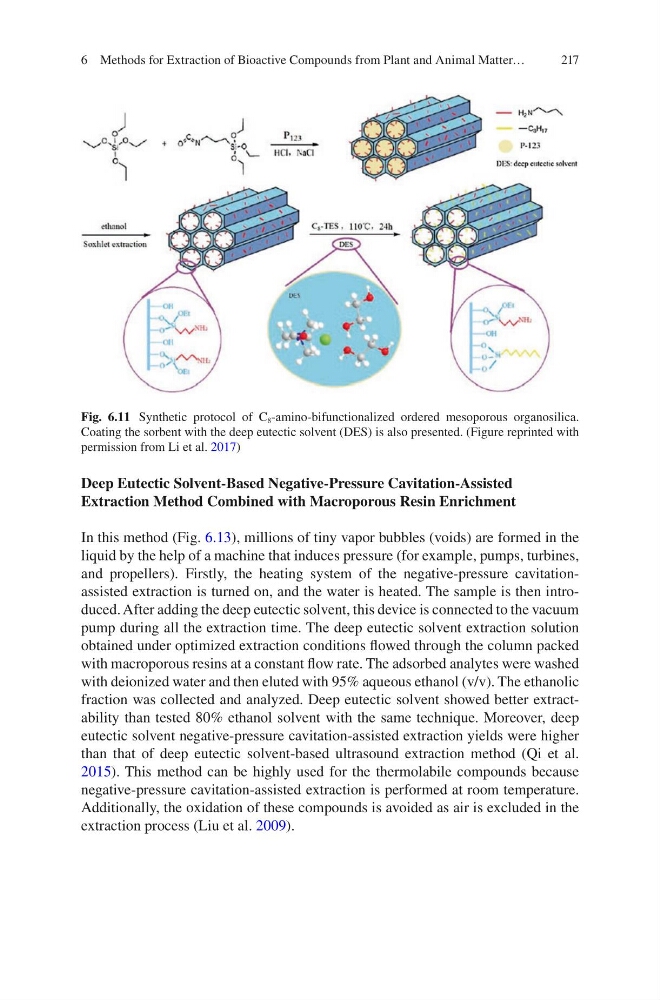
Fig. 6.11 Synthetic protocol of C 8 -amino-bifunctionalized ordered mesoporous organosilica.
Coating the sorbent with the deep eutectic solvent (DES) is also presented. (Figure reprinted with
permission from Li et al. 2017)
6 Methods for Extraction of Bioactive Compounds from Plant and Animal Matter…
Deep Eutectic Solvent-Based Negative-Pressure Cavitation-Assisted
Extraction Method Combined with Macroporous Resin Enrichment
In this method (Fig. 6.13), millions of tiny vapor bubbles (voids) are formed in the
liquid by the help of a machine that induces pressure (for example, pumps, turbines,
and propellers). Firstly, the heating system of the negative-pressure cavitationassisted extraction is turned on, and the water is heated. The sample is then introduced. After adding the deep eutectic solvent, this device is connected to the vacuum
pump during all the extraction time. The deep eutectic solvent extraction solution
obtained under optimized extraction conditions flowed through the column packed
with macroporous resins at a constant flow rate. The adsorbed analytes were washed
with deionized water and then eluted with 95% aqueous ethanol (v/v). The ethanolic
fraction was collected and analyzed. Deep eutectic solvent showed better extractability than tested 80% ethanol solvent with the same technique. Moreover, deep
eutectic solvent negative-pressure cavitation-assisted extraction yields were higher
than that of deep eutectic solvent-based ultrasound extraction method (Qi et al.
2015). This method can be highly used for the thermolabile compounds because
negative-pressure cavitation-assisted extraction is performed at room temperature.
Additionally, the oxidation of these compounds is avoided as air is excluded in the
extraction process (Liu et al. 2009).
Fig. 6.11 Synthetic protocol of C 8 -amino-bifunctionalized ordered mesoporous organosilica.
Coating the sorbent with the deep eutectic solvent (DES) is also presented. (Figure reprinted with
permission from Li et al. 2017)
6 Methods for Extraction of Bioactive Compounds from Plant and Animal Matter…