

109
proportion to one another as to give to the resultant compound body a minimum
temperature of liquefaction, that is, a lower temperature of liquefaction than that
given by any other proportion” (Guthrie 1884; Martins et al. 2018). Cherukuvada
and Nangia characterize eutectics as a discontinuous solid solution having a heterogeneous structural organization in the crystal lattice (Cherukuvada and Nangia 2014).
The eutectic mixtures are used since the beginning of the century, and until now
many researchers investigated these mixtures for therapeutic applications. Bellafiore
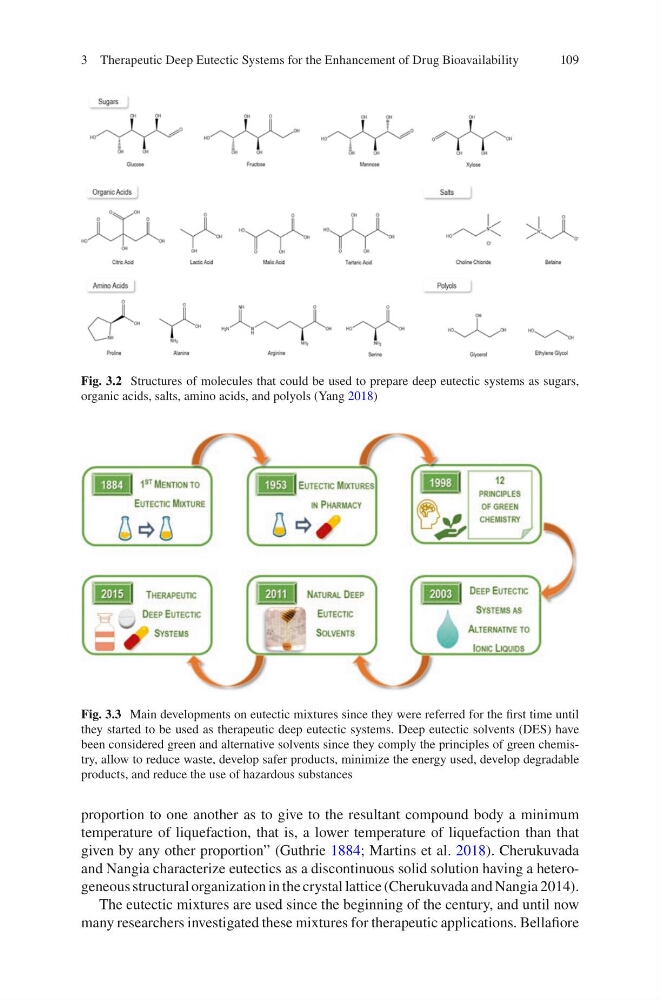
Fig. 3.3 Main developments on eutectic mixtures since they were referred for the first time until
they started to be used as therapeutic deep eutectic systems. Deep eutectic solvents (DES) have
been considered green and alternative solvents since they comply the principles of green chemistry, allow to reduce waste, develop safer products, minimize the energy used, develop degradable
products, and reduce the use of hazardous substances
Fig. 3.2 Structures of molecules that could be used to prepare deep eutectic systems as sugars,
organic acids, salts, amino acids, and polyols (Yang 2018)
3 Therapeutic Deep Eutectic Systems for the Enhancement of Drug Bioavailability
proportion to one another as to give to the resultant compound body a minimum
temperature of liquefaction, that is, a lower temperature of liquefaction than that
given by any other proportion” (Guthrie 1884; Martins et al. 2018). Cherukuvada
and Nangia characterize eutectics as a discontinuous solid solution having a heterogeneous structural organization in the crystal lattice (Cherukuvada and Nangia 2014).
The eutectic mixtures are used since the beginning of the century, and until now
many researchers investigated these mixtures for therapeutic applications. Bellafiore
Fig. 3.3 Main developments on eutectic mixtures since they were referred for the first time until
they started to be used as therapeutic deep eutectic systems. Deep eutectic solvents (DES) have
been considered green and alternative solvents since they comply the principles of green chemistry, allow to reduce waste, develop safer products, minimize the energy used, develop degradable
products, and reduce the use of hazardous substances
Fig. 3.2 Structures of molecules that could be used to prepare deep eutectic systems as sugars,
organic acids, salts, amino acids, and polyols (Yang 2018)
3 Therapeutic Deep Eutectic Systems for the Enhancement of Drug Bioavailability