

107
stability, conductivity, and melting point. However, these generation has the disadvantage to be sensitive to the presence of water and air (Domínguez de María and
Maugeri 2011). In the early 1990s, the second generation of ILs emerged, which are
considered advanced materials, in which the design of compounds combines both
physical and chemical properties, such as chemical reactivity, energy density, oxygen balance, flammability, and others (Kudlak et al. 2015). The third generation of
ILs appeared in the 2000s and consists in the synthesis of ionic liquids that have
biological properties combined with physicochemical properties. In this group, the
ILs that are used in pharmaceutical and biomedicine applications are included. In
this case, a combination of cations and anions could lead to specific biological activity, for example, in drug delivery and production processes (Dias et al. 2017;
Domínguez de María and Maugeri 2011; Ferraz et al. 2011; Kudlak et al. 2015).
Although ionic liquids are considered green solvents and have demonstrated
good results for some applications, they are expensive and sometimes difficult to
prepare and some of them have high toxicity (Kudlak et al. 2015; Paiva et al. 2014).
In 2003, Abbott and coworkers reported a new type of green solvents that could act
as an alternative to ionic liquids (Abbott et al. 2003, 2004, 2006; Francisco et al.
2013; Kudlak et al. 2015; Ruß and König 2012). When they experimented mixing
urea and choline chloride, in which the initial components are in solid state, they
verified that they formed a eutectic mixture, liquid at room temperature and presenting interesting properties to be used as a solvent (Abbott et al. 2004; Francisco et al.
2013; Kudlak et al. 2015; Ruß and König 2012). Despite eutectic mixtures have
been described decades ago for many applications, it was only a few years ago that
they started to be studied as solvents, as illustrated in Fig. 3.3. Abbott and coworkers
introduced the term “deep eutectic solvent” (DES) to refer to a mixture of two or
more starting materials with high melting points that often form a liquid at room
temperature with lower melting temperature than the initial compounds (Abbott
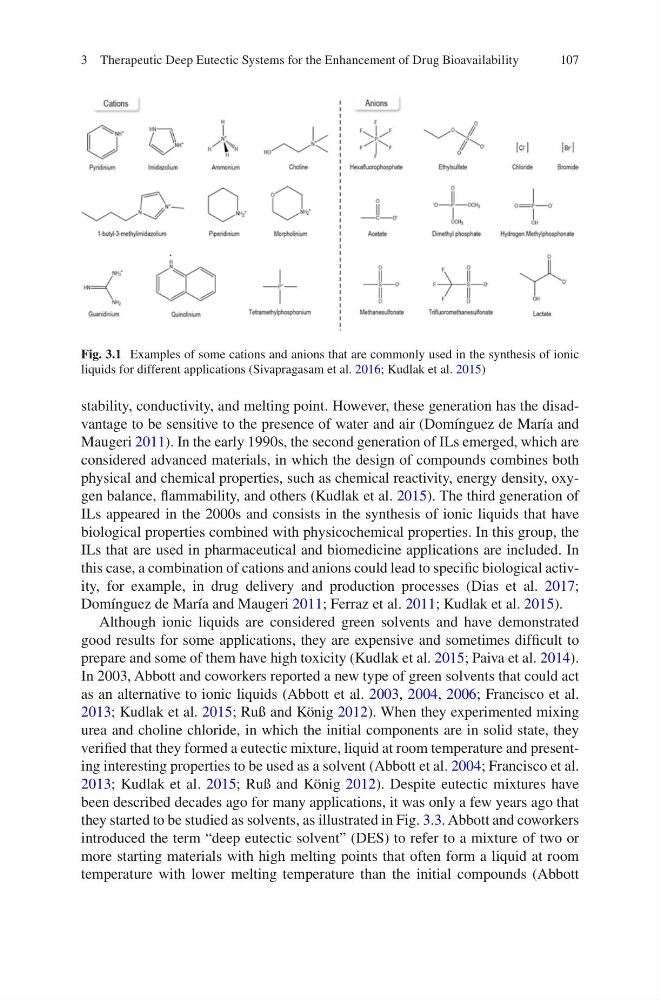
Fig. 3.1 Examples of some cations and anions that are commonly used in the synthesis of ionic
liquids for different applications (Sivapragasam et al. 2016; Kudlak et al. 2015)
3 Therapeutic Deep Eutectic Systems for the Enhancement of Drug Bioavailability
stability, conductivity, and melting point. However, these generation has the disadvantage to be sensitive to the presence of water and air (Domínguez de María and
Maugeri 2011). In the early 1990s, the second generation of ILs emerged, which are
considered advanced materials, in which the design of compounds combines both
physical and chemical properties, such as chemical reactivity, energy density, oxygen balance, flammability, and others (Kudlak et al. 2015). The third generation of
ILs appeared in the 2000s and consists in the synthesis of ionic liquids that have
biological properties combined with physicochemical properties. In this group, the
ILs that are used in pharmaceutical and biomedicine applications are included. In
this case, a combination of cations and anions could lead to specific biological activity, for example, in drug delivery and production processes (Dias et al. 2017;
Domínguez de María and Maugeri 2011; Ferraz et al. 2011; Kudlak et al. 2015).
Although ionic liquids are considered green solvents and have demonstrated
good results for some applications, they are expensive and sometimes difficult to
prepare and some of them have high toxicity (Kudlak et al. 2015; Paiva et al. 2014).
In 2003, Abbott and coworkers reported a new type of green solvents that could act
as an alternative to ionic liquids (Abbott et al. 2003, 2004, 2006; Francisco et al.
2013; Kudlak et al. 2015; Ruß and König 2012). When they experimented mixing
urea and choline chloride, in which the initial components are in solid state, they
verified that they formed a eutectic mixture, liquid at room temperature and presenting interesting properties to be used as a solvent (Abbott et al. 2004; Francisco et al.
2013; Kudlak et al. 2015; Ruß and König 2012). Despite eutectic mixtures have
been described decades ago for many applications, it was only a few years ago that
they started to be studied as solvents, as illustrated in Fig. 3.3. Abbott and coworkers
introduced the term “deep eutectic solvent” (DES) to refer to a mixture of two or
more starting materials with high melting points that often form a liquid at room
temperature with lower melting temperature than the initial compounds (Abbott
Fig. 3.1 Examples of some cations and anions that are commonly used in the synthesis of ionic
liquids for different applications (Sivapragasam et al. 2016; Kudlak et al. 2015)
3 Therapeutic Deep Eutectic Systems for the Enhancement of Drug Bioavailability