

190
M. K. Bilonda and L. Mammino
closely the results correspond to the symmetry. These are the SHA-5-b-c-g-h-i-up-v-y and SHA-6-a-d-g-h-i-u-q-t-y, SHA-8-b-c-g-h-i-u-q-v-x and SHA-9-a-d-g-h-iu-q-v-x, and SHA-10-a-d-g-h-i-u-q-t-x and SHA-11-b-c-g-h-i-u-q-t-x pairs. In the
analysis hereafter, these conformers will be called ‘conformers of a symmetric pair’.
It has also to be noted that, for such pairs, the different numbers assigned to the two
conformers do not correspond to different relative energies, but only to the fact that
they are the outcomes of separate calculations.
The conformational preferences are influenced by the IHB patterns (numbers
and types of IHBs present in a conformer) and, to a lesser extent, by the mutual
orientations of the four moieties. As already mentioned, three types of IHBs may be
present in the SHA molecule: O–H···O IHBs between the OH and the ether O attached
to a naphthalene moiety (O43–H52···O42 and O44–H54···O45); O–H···π interactions
between the OH attached to the naphthalene moiety of one unit and the closest π
system of the naphthalene moiety of the other unit (O43–H52···π, O44–H54···π);
C–H···O interactions between a methyl and the OH within the same isoquinoline
moiety (C–H49···O41, C–H59···O46); and C–H···O interactions between the methyl
attached to the naphthalene moiety of one unit and the OH attached to the naphthalene
moiety of the other unit (C–H53···O44 and C–H56···O43). The O–H···O IHBs are
the dominant stabilizing factors.
The lowest energy conformers are conformers in which all the possible O–H···O
IHBs and C–H···O interactions are present simultaneously. The first four energy
conformers have relative energy below 2 kcal/mol in both the HF and DFT results;
they all contain the O43–H52···O44 and O44–H54···O45 IHBs and the C–H49···O41,
C–H59···O46, C–H53···O44 and C–H56···O43 interactions, and differ only by the
orientation of the moieties.
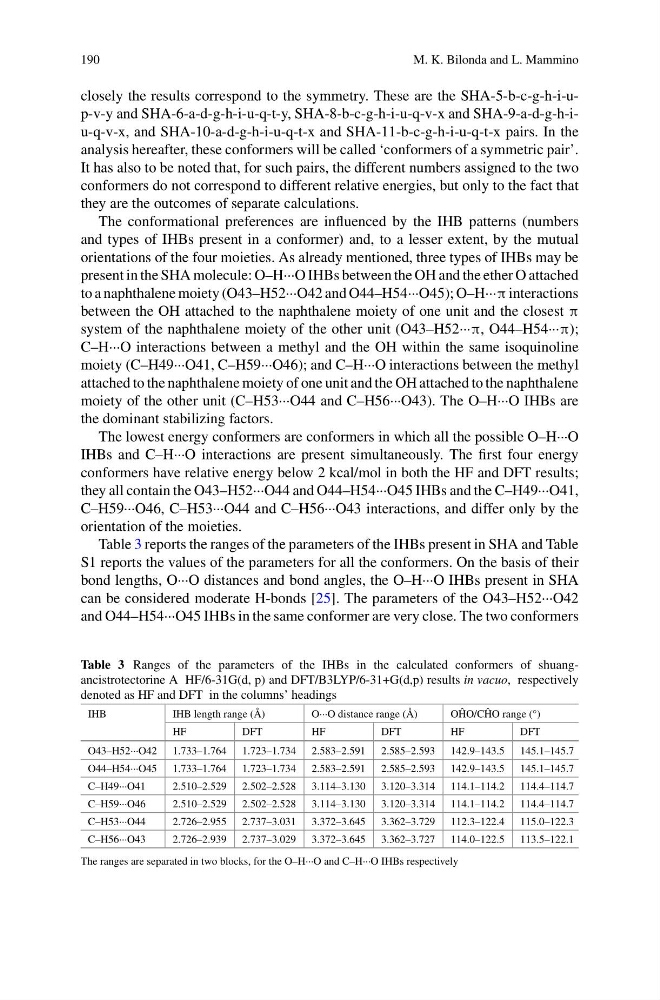
Table 3 reports the ranges of the parameters of the IHBs present in SHA and Table
S1 reports the values of the parameters for all the conformers. On the basis of their
bond lengths, O···O distances and bond angles, the O–H···O IHBs present in SHA
can be considered moderate H-bonds [25]. The parameters of the O43–H52···O42
and O44–H54···O45 IHBs in the same conformer are very close. The two conformers
Table 3 Ranges of the parameters of the IHBs in the calculated conformers of shuangancistrotectorine A HF/6-31G(d, p) and DFT/B3LYP/6-31+G(d,p) results in vacuo, respectively
denoted as HF and DFT in the columns’ headings
IHB
IHB length range (Å)
O···O distance range (Å)
O ˆ
HO/C ˆ
HO range (°)
HF
DFT
HF
DFT
HF
DFT
O43–H52···O42 1.733–1.764 1.723–1.734 2.583–2.591 2.585–2.593 142.9–143.5 145.1–145.7
O44–H54···O45 1.733–1.764 1.723–1.734 2.583–2.591 2.585–2.593 142.9–143.5 145.1–145.7
C–H49···O41
2.510–2.529 2.502–2.528 3.114–3.130 3.120–3.314 114.1–114.2 114.4–114.7
C–H59···O46
2.510–2.529 2.502–2.528 3.114–3.130 3.120–3.314 114.1–114.2 114.4–114.7
C–H53···O44
2.726–2.955 2.737–3.031 3.372–3.645 3.362–3.729 112.3–122.4 115.0–122.3
C–H56···O43
2.726–2.939 2.737–3.029 3.372–3.645 3.362–3.727 114.0–122.5 113.5–122.1
The ranges are separated in two blocks, for the O–H···O and C–H···O IHBs respectively
M. K. Bilonda and L. Mammino
closely the results correspond to the symmetry. These are the SHA-5-b-c-g-h-i-up-v-y and SHA-6-a-d-g-h-i-u-q-t-y, SHA-8-b-c-g-h-i-u-q-v-x and SHA-9-a-d-g-h-iu-q-v-x, and SHA-10-a-d-g-h-i-u-q-t-x and SHA-11-b-c-g-h-i-u-q-t-x pairs. In the
analysis hereafter, these conformers will be called ‘conformers of a symmetric pair’.
It has also to be noted that, for such pairs, the different numbers assigned to the two
conformers do not correspond to different relative energies, but only to the fact that
they are the outcomes of separate calculations.
The conformational preferences are influenced by the IHB patterns (numbers
and types of IHBs present in a conformer) and, to a lesser extent, by the mutual
orientations of the four moieties. As already mentioned, three types of IHBs may be
present in the SHA molecule: O–H···O IHBs between the OH and the ether O attached
to a naphthalene moiety (O43–H52···O42 and O44–H54···O45); O–H···π interactions
between the OH attached to the naphthalene moiety of one unit and the closest π
system of the naphthalene moiety of the other unit (O43–H52···π, O44–H54···π);
C–H···O interactions between a methyl and the OH within the same isoquinoline
moiety (C–H49···O41, C–H59···O46); and C–H···O interactions between the methyl
attached to the naphthalene moiety of one unit and the OH attached to the naphthalene
moiety of the other unit (C–H53···O44 and C–H56···O43). The O–H···O IHBs are
the dominant stabilizing factors.
The lowest energy conformers are conformers in which all the possible O–H···O
IHBs and C–H···O interactions are present simultaneously. The first four energy
conformers have relative energy below 2 kcal/mol in both the HF and DFT results;
they all contain the O43–H52···O44 and O44–H54···O45 IHBs and the C–H49···O41,
C–H59···O46, C–H53···O44 and C–H56···O43 interactions, and differ only by the
orientation of the moieties.
Table 3 reports the ranges of the parameters of the IHBs present in SHA and Table
S1 reports the values of the parameters for all the conformers. On the basis of their
bond lengths, O···O distances and bond angles, the O–H···O IHBs present in SHA
can be considered moderate H-bonds [25]. The parameters of the O43–H52···O42
and O44–H54···O45 IHBs in the same conformer are very close. The two conformers
Table 3 Ranges of the parameters of the IHBs in the calculated conformers of shuangancistrotectorine A HF/6-31G(d, p) and DFT/B3LYP/6-31+G(d,p) results in vacuo, respectively
denoted as HF and DFT in the columns’ headings
IHB
IHB length range (Å)
O···O distance range (Å)
O ˆ
HO/C ˆ
HO range (°)
HF
DFT
HF
DFT
HF
DFT
O43–H52···O42 1.733–1.764 1.723–1.734 2.583–2.591 2.585–2.593 142.9–143.5 145.1–145.7
O44–H54···O45 1.733–1.764 1.723–1.734 2.583–2.591 2.585–2.593 142.9–143.5 145.1–145.7
C–H49···O41
2.510–2.529 2.502–2.528 3.114–3.130 3.120–3.314 114.1–114.2 114.4–114.7
C–H59···O46
2.510–2.529 2.502–2.528 3.114–3.130 3.120–3.314 114.1–114.2 114.4–114.7
C–H53···O44
2.726–2.955 2.737–3.031 3.372–3.645 3.362–3.729 112.3–122.4 115.0–122.3
C–H56···O43
2.726–2.939 2.737–3.029 3.372–3.645 3.362–3.727 114.0–122.5 113.5–122.1
The ranges are separated in two blocks, for the O–H···O and C–H···O IHBs respectively