

6
Sensemaking in Safety Critical and Complex Situations
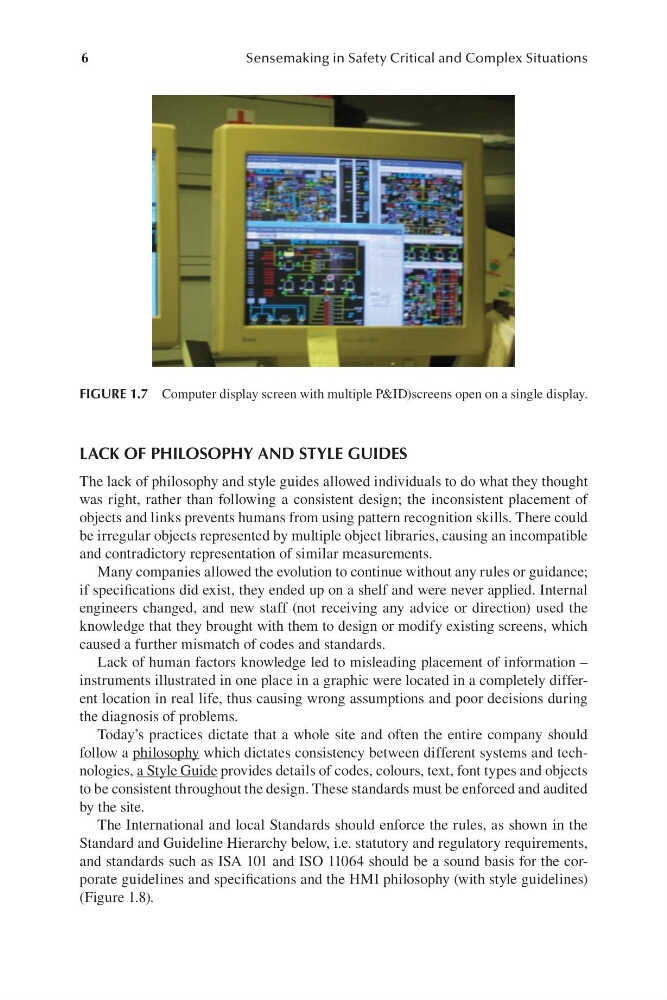
FIGURE 1.7 Computer display screen with multiple P&ID) screens open on a single display.
LACK OF PHILOSOPHY AND STYLE GUIDES
The lack of philosophy and style guides allowed individuals to do what they thought
was right, rather than following a consistent design; the inconsistent placement of
objects and links prevents humans from using pattern recognition skills. There could
be irregular objects represented by multiple object libraries, causing an incompatible
and contradictory representation of similar measurements.
Many companies allowed the evolution to continue without any rules or guidance;
if specifications did exist, they ended up on a shelf and were never applied. Internal
engineers changed, and new staff (not receiving any advice or direction) used the
knowledge that they brought with them to design or modify existing screens, which
caused a further mismatch of codes and standards.
Lack of human factors knowledge led to misleading placement of i nformation –
instruments illustrated in one place in a graphic were located in a completely different location in real life, thus causing wrong assumptions and poor decisions during
the diagnosis of problems.
Today’s practices dictate that a whole site and often the entire company should
follow a philosophy which dictates consistency between different systems and technologies, a Style Guide provides details of codes, colours, text, font types and objects
to be consistent throughout the design. These standards must be enforced and audited
by the site.
The International and local Standards should enforce the rules, as shown in the
Standard and Guideline Hierarchy below, i.e. statutory and regulatory requirements,
and standards such as ISA 101 and ISO 11064 should be a sound basis for the corporate guidelines and specifications and the HMI philosophy ( with style guidelines)
(Figure 1.8).
Sensemaking in Safety Critical and Complex Situations
FIGURE 1.7 Computer display screen with multiple P&ID) screens open on a single display.
LACK OF PHILOSOPHY AND STYLE GUIDES
The lack of philosophy and style guides allowed individuals to do what they thought
was right, rather than following a consistent design; the inconsistent placement of
objects and links prevents humans from using pattern recognition skills. There could
be irregular objects represented by multiple object libraries, causing an incompatible
and contradictory representation of similar measurements.
Many companies allowed the evolution to continue without any rules or guidance;
if specifications did exist, they ended up on a shelf and were never applied. Internal
engineers changed, and new staff (not receiving any advice or direction) used the
knowledge that they brought with them to design or modify existing screens, which
caused a further mismatch of codes and standards.
Lack of human factors knowledge led to misleading placement of i nformation –
instruments illustrated in one place in a graphic were located in a completely different location in real life, thus causing wrong assumptions and poor decisions during
the diagnosis of problems.
Today’s practices dictate that a whole site and often the entire company should
follow a philosophy which dictates consistency between different systems and technologies, a Style Guide provides details of codes, colours, text, font types and objects
to be consistent throughout the design. These standards must be enforced and audited
by the site.
The International and local Standards should enforce the rules, as shown in the
Standard and Guideline Hierarchy below, i.e. statutory and regulatory requirements,
and standards such as ISA 101 and ISO 11064 should be a sound basis for the corporate guidelines and specifications and the HMI philosophy ( with style guidelines)
(Figure 1.8).