

187
User-Centred Agile Development
the parallel model. They propose costumer( s) and designer( s) complete agile rapid
CD, subsequently handing off completed UIs and user stories to development. From
the extensiveness of the rapid CD process, workflow bottlenecks are a risk and developers would not be involved in decision-making and design choices based on their
process descriptions.
It is interesting that any disciplinary culture gap seems to be bridged by applying
the user-centred agile model, where Signoretti, Salerno, Marczak and Bastos ( 2020)
documented that both user focus and problem orientation were increased and that the
UX responsibility and decision-making was shared. We now have an alternative to
the parallel model for teamwork organization that fits better with recommendations
from Salah, Paige and Cairns ( 2014). It is also worth noting that the gap identified
in research appears to decrease over time, as modern agile and UCD principles and
practices become better aligned.
Efforts are ongoing on how to integrate UCD into agile settings; however, these
quickly appear dated. Alternative visualizations related to the us er-centred agile
model can be found on online blogs from around 2018, where design thinking, lean
and agile frameworks are combined. However, most of them are focused on merging
lean UX with agile and not including UCD specifically. Though the blog posts hold
very interesting reflections, they so far appear only anecdotal from the writer’s point
of view and without scientific publications demonstrating their promise.
Based on the evidence at hand, we would generally caution against parallel tracks
and advise to move towards more integrated teams where both UX work and code
work are shared by the whole team, in order to ensure better collaboration and flow.
Parallel workflows, proposed by previous research on integration models, may be
counterproductive to efficient multidisciplinary team collaboration due to the separation of UX/ UI design and development decisions. Furthermore, the risk for workload
discrepancies may lead to ineffectiveness, communication issues and undermined
design decisions. A parallel workflow setup needs generous constraints to ensure
a smooth flow and cooperation between iterative UI design, development and UX
work.
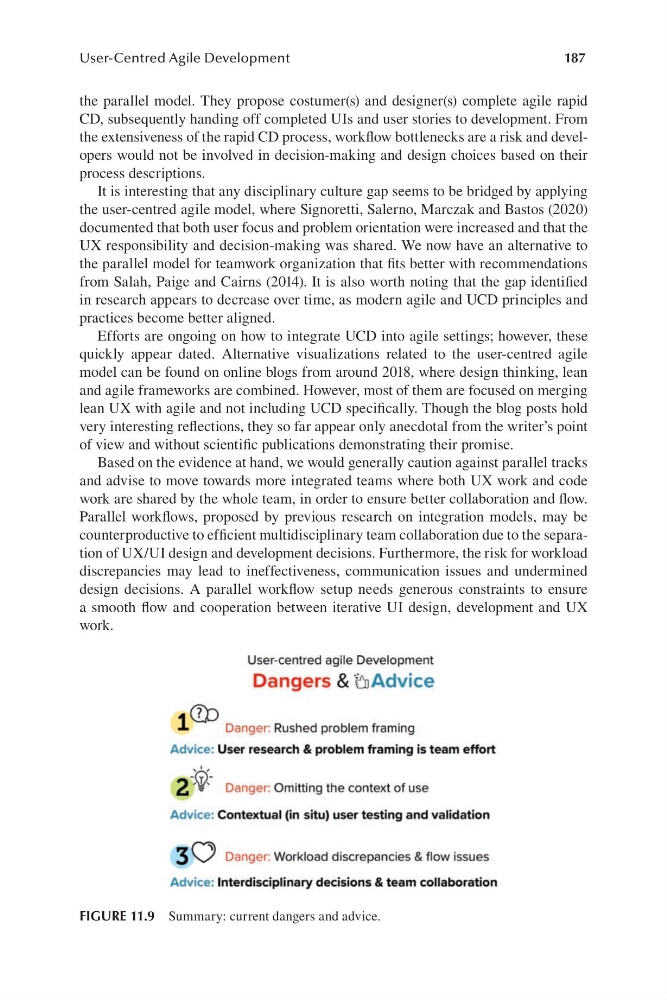
FIGURE 11.9 Summary: current dangers and advice.
User-Centred Agile Development
the parallel model. They propose costumer( s) and designer( s) complete agile rapid
CD, subsequently handing off completed UIs and user stories to development. From
the extensiveness of the rapid CD process, workflow bottlenecks are a risk and developers would not be involved in decision-making and design choices based on their
process descriptions.
It is interesting that any disciplinary culture gap seems to be bridged by applying
the user-centred agile model, where Signoretti, Salerno, Marczak and Bastos ( 2020)
documented that both user focus and problem orientation were increased and that the
UX responsibility and decision-making was shared. We now have an alternative to
the parallel model for teamwork organization that fits better with recommendations
from Salah, Paige and Cairns ( 2014). It is also worth noting that the gap identified
in research appears to decrease over time, as modern agile and UCD principles and
practices become better aligned.
Efforts are ongoing on how to integrate UCD into agile settings; however, these
quickly appear dated. Alternative visualizations related to the us er-centred agile
model can be found on online blogs from around 2018, where design thinking, lean
and agile frameworks are combined. However, most of them are focused on merging
lean UX with agile and not including UCD specifically. Though the blog posts hold
very interesting reflections, they so far appear only anecdotal from the writer’s point
of view and without scientific publications demonstrating their promise.
Based on the evidence at hand, we would generally caution against parallel tracks
and advise to move towards more integrated teams where both UX work and code
work are shared by the whole team, in order to ensure better collaboration and flow.
Parallel workflows, proposed by previous research on integration models, may be
counterproductive to efficient multidisciplinary team collaboration due to the separation of UX/ UI design and development decisions. Furthermore, the risk for workload
discrepancies may lead to ineffectiveness, communication issues and undermined
design decisions. A parallel workflow setup needs generous constraints to ensure
a smooth flow and cooperation between iterative UI design, development and UX
work.
FIGURE 11.9 Summary: current dangers and advice.