

650
The Chemistry and Technology of Petroleum
passes through the adsorbent beds with only a tiny fraction absorbed and the beds are regenerated
by depressurization followed by purging at low pressure.
When the beds are depressurized, a waste gas (or tail gas) stream is produced and consists of
the impurities from the feed (carbon monoxide, carbon dioxide, methane, and nitrogen) plus some
hydrogen. This stream is burned in the reformer as fuel and reformer operating conditions in a PSA
plant are set so that the tail gas provides no more than about 85% of the reformer fuel. This gives
good burner control because the tail gas is more difficult to burn than regular fuel gas and the high
content of carbon monoxide can interfere with the stability of the flame. As the reformer operating
temperature is increased, the reforming equilibrium shifts, resulting in more hydrogen and less
methane in the reformer outlet and hence less methane in the tail gas.
Feedstock
Steam
Hydrogen
Shift converter
CO
2
removal
Reforming
Purification
Methanation
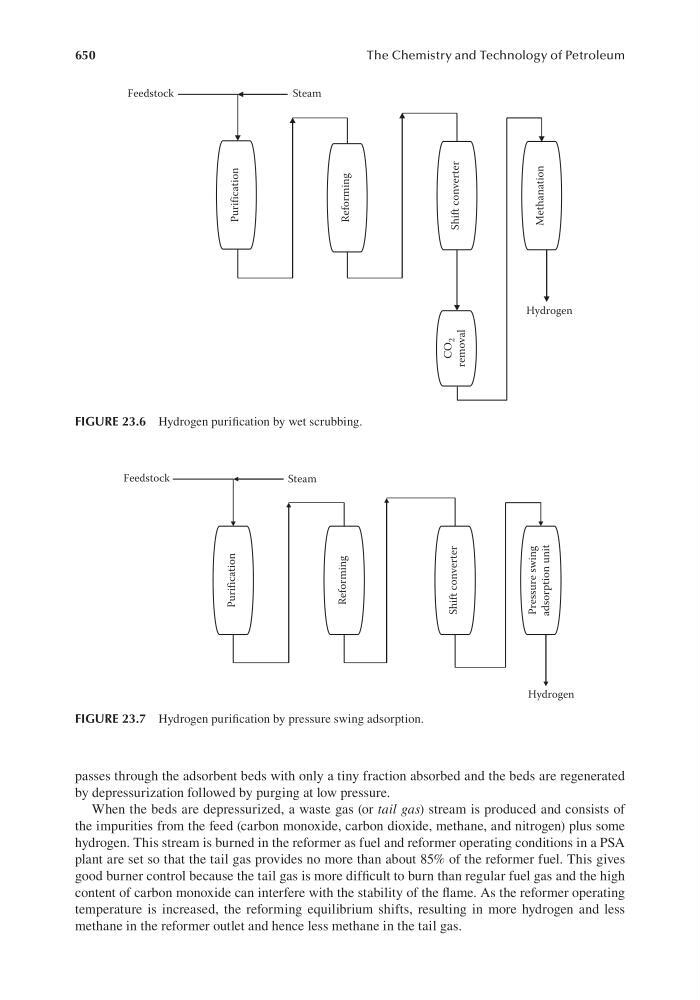
FIGURE 23.6 Hydrogen purification by wet scrubbing.
Feedstock
Steam
Shift converter
Reforming
Pressure swing
adsorption unit
Purification
Hydrogen
FIGURE 23.7 Hydrogen purification by pressure swing adsorption.