

392
The Chemistry and Technology of Petroleum
include more stringent regulations in relation to sulfur in gasoline and diesel; and (4) technology
development such as new catalysts and processes.
In the early days of the twentieth century, refining processes were developed to extract kerosene
for lamps. Any other products were considered to be unusable and were usually discarded. Thus,
first refining processes were developed to purify, stabilize, and improve the quality of kerosene.
However, the invention of the internal combustion engine led (at about the time of World War I) to a
demand for gasoline for use in increasing quantities as a motor fuel for cars and trucks. This demand
Thermal
processing
Resid
Hvy VGO
Lt vac gas oil
Vacuum
distillation
Sulfur
complex
Sulfur
Coke
Fuel gas and coker gasoline
Diesel and jet fuel
Alkylation
Alkylate
Reforming
Reformate
C 1 –C 4
Fuel oil
Gasoline
Hydrocracking
Fluidized
catalytic
cracking
FCC feed
hydrorefining
Hvy atm gas oil
Atmospheric
distillation
Hydrotreating
Hydrotreating
Naphtha
Crude unit
Hydrogen
sulfide–containing
gas
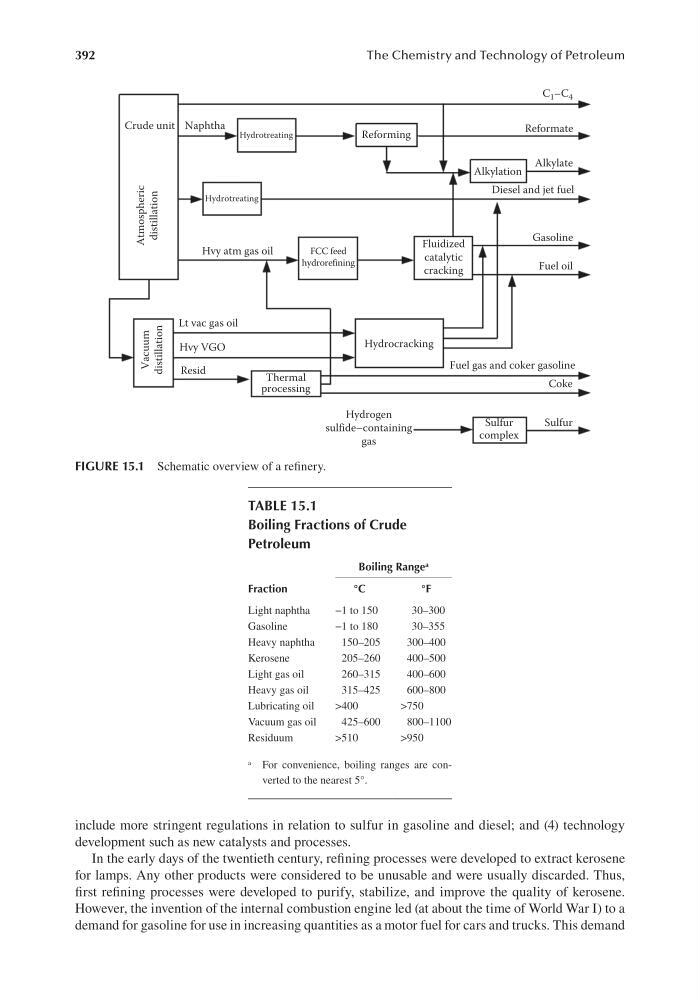
FIGURE 15.1 Schematic overview of a refinery.
TABLE 15.1
Boiling Fractions of Crude
Petroleum
Fraction
Boiling Range a
°C
°F
Light naphtha
−1 to 150
30–300
Gasoline
−1 to 180
30–355
Heavy naphtha
150–205
300–400
Kerosene
205–260
400–500
Light gas oil
260–315
400–600
Heavy gas oil
315–425
600–800
Lubricating oil
>400
>750
Vacuum gas oil
425–600
800–1100
Residuum
>510
>950
a
For convenience, boiling ranges are converted to the nearest 5°.
The Chemistry and Technology of Petroleum
include more stringent regulations in relation to sulfur in gasoline and diesel; and (4) technology
development such as new catalysts and processes.
In the early days of the twentieth century, refining processes were developed to extract kerosene
for lamps. Any other products were considered to be unusable and were usually discarded. Thus,
first refining processes were developed to purify, stabilize, and improve the quality of kerosene.
However, the invention of the internal combustion engine led (at about the time of World War I) to a
demand for gasoline for use in increasing quantities as a motor fuel for cars and trucks. This demand
Thermal
processing
Resid
Hvy VGO
Lt vac gas oil
Vacuum
distillation
Sulfur
complex
Sulfur
Coke
Fuel gas and coker gasoline
Diesel and jet fuel
Alkylation
Alkylate
Reforming
Reformate
C 1 –C 4
Fuel oil
Gasoline
Hydrocracking
Fluidized
catalytic
cracking
FCC feed
hydrorefining
Hvy atm gas oil
Atmospheric
distillation
Hydrotreating
Hydrotreating
Naphtha
Crude unit
Hydrogen
sulfide–containing
gas
FIGURE 15.1 Schematic overview of a refinery.
TABLE 15.1
Boiling Fractions of Crude
Petroleum
Fraction
Boiling Range a
°C
°F
Light naphtha
−1 to 150
30–300
Gasoline
−1 to 180
30–355
Heavy naphtha
150–205
300–400
Kerosene
205–260
400–500
Light gas oil
260–315
400–600
Heavy gas oil
315–425
600–800
Lubricating oil
>400
>750
Vacuum gas oil
425–600
800–1100
Residuum
>510
>950
a
For convenience, boiling ranges are converted to the nearest 5°.