

230
The Chemistry and Technology of Petroleum
The feedstock sample can be separated into chemically significant fractions that are suitable for
analysis according to compound type (McKay et al., 1975). Although originally conceived for the
separation of distillates, this method has been successfully applied for determining the composition of heavy oil and bitumen (McKay et al., 1976). Originally the method required distillation of a
feedstock into narrow boiling point fractions, but whole feedstocks, such as the bitumen from Utah
or Athabasca tar sands, have been separated into classes of compounds without previous distillation
or removal of asphaltenes. The latter finding is supported by the separation of asphaltenes using
ion-exchange materials (McKay et al., 1977; Francisco and Speight, 1984).
The SARA method is essentially an extension of the API method that allows more rapid separations by placing the two ion-exchange resins and the FeCl 3 -clay-anion-exchange resin packing into
a single column. The adsorption chromatography of the nonpolar part of the same is still performed
in a separation operation. Since the asphaltene content of petroleum (and synthetic fuel) feedstocks
is often an important aspect of processability, an important feature of the SARA method is that the
asphaltenes are separated as a group. Perhaps more important is that the method is reproducible and
applicable to a large variety of the most difficult feedstocks, such as residue tar sand bitumen, shale
oil, and coal liquids.
Both the USBM-API and SARA methods require some caution if the asphaltenes are first isolated
as a separate fraction. For example, the asphaltene yield varies with the hydrocarbon used for the
separation and with other factors (Girdler, 1965; Mitchell and Speight, 1973; Speight et al., 1984).
An inconsistent separation technique can give rise to problems resulting from residual asphaltenes
in the deasphaltened oil undergoing irreversible adsorption on the solid adsorbent.
The USBM-API and SARA methods are widely used separation schemes for studying the composition of heavy petroleum fractions and other fossil fuels, but several other schemes have also
been used successfully and have found common usage in investigations of feedstock composition.
For example, a simple alternative to the SARA sequence is the chromatographic pre-separation of
a deasphaltened sample on deactivated silica or alumina with pentane (or hexane) into saturated
materials followed by elution with benzene for aromatic materials and with benzene-methanol for
polar materials (resins). This allows further chromatography into narrower (more similar) fractions
without mutual interference on the adsorbent.
The selection of any separation procedure depends primarily on the information desired about
the feedstock. For example, separation into multiple fractions to examine the minute details of feedstock composition requires a complex sequence of steps. An example of such a separation scheme
Asphaltenes
(insolubles)
Polar compounds
First acidaffins
Second acidaffins
Saturates
Residual oil
(30% oleum)
Residual oil
(97% sulfuric acid)
Deasphaltened oil
(85% sulfuric acid)
Feedstock
(n-pentane)
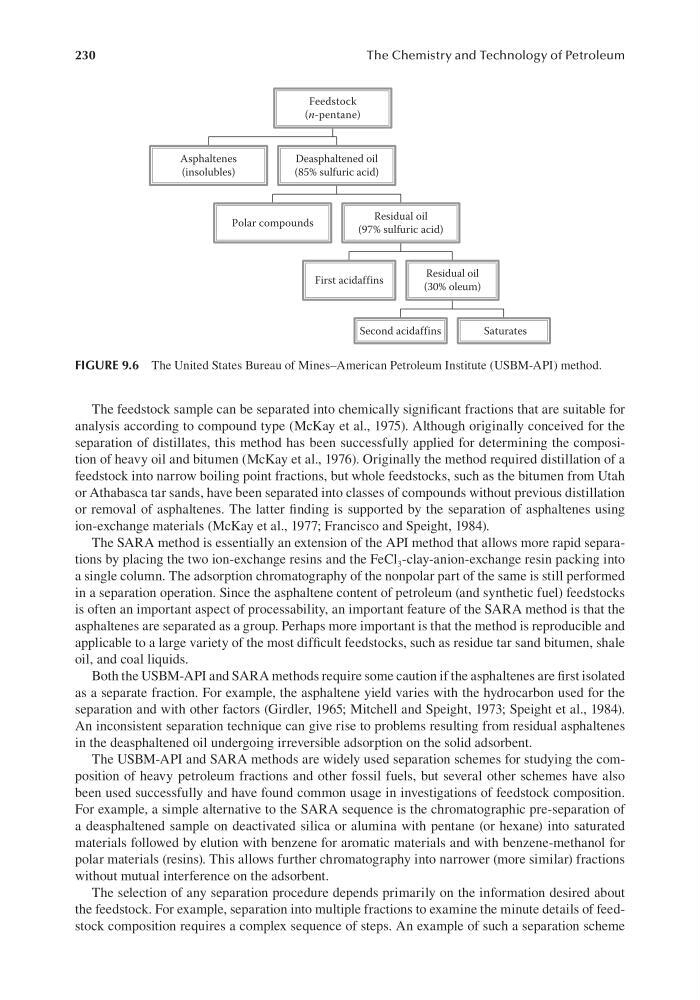
FIGURE 9.6 The United States Bureau of Mines–American Petroleum Institute (USBM-API) method.
The Chemistry and Technology of Petroleum
The feedstock sample can be separated into chemically significant fractions that are suitable for
analysis according to compound type (McKay et al., 1975). Although originally conceived for the
separation of distillates, this method has been successfully applied for determining the composition of heavy oil and bitumen (McKay et al., 1976). Originally the method required distillation of a
feedstock into narrow boiling point fractions, but whole feedstocks, such as the bitumen from Utah
or Athabasca tar sands, have been separated into classes of compounds without previous distillation
or removal of asphaltenes. The latter finding is supported by the separation of asphaltenes using
ion-exchange materials (McKay et al., 1977; Francisco and Speight, 1984).
The SARA method is essentially an extension of the API method that allows more rapid separations by placing the two ion-exchange resins and the FeCl 3 -clay-anion-exchange resin packing into
a single column. The adsorption chromatography of the nonpolar part of the same is still performed
in a separation operation. Since the asphaltene content of petroleum (and synthetic fuel) feedstocks
is often an important aspect of processability, an important feature of the SARA method is that the
asphaltenes are separated as a group. Perhaps more important is that the method is reproducible and
applicable to a large variety of the most difficult feedstocks, such as residue tar sand bitumen, shale
oil, and coal liquids.
Both the USBM-API and SARA methods require some caution if the asphaltenes are first isolated
as a separate fraction. For example, the asphaltene yield varies with the hydrocarbon used for the
separation and with other factors (Girdler, 1965; Mitchell and Speight, 1973; Speight et al., 1984).
An inconsistent separation technique can give rise to problems resulting from residual asphaltenes
in the deasphaltened oil undergoing irreversible adsorption on the solid adsorbent.
The USBM-API and SARA methods are widely used separation schemes for studying the composition of heavy petroleum fractions and other fossil fuels, but several other schemes have also
been used successfully and have found common usage in investigations of feedstock composition.
For example, a simple alternative to the SARA sequence is the chromatographic pre-separation of
a deasphaltened sample on deactivated silica or alumina with pentane (or hexane) into saturated
materials followed by elution with benzene for aromatic materials and with benzene-methanol for
polar materials (resins). This allows further chromatography into narrower (more similar) fractions
without mutual interference on the adsorbent.
The selection of any separation procedure depends primarily on the information desired about
the feedstock. For example, separation into multiple fractions to examine the minute details of feedstock composition requires a complex sequence of steps. An example of such a separation scheme
Asphaltenes
(insolubles)
Polar compounds
First acidaffins
Second acidaffins
Saturates
Residual oil
(30% oleum)
Residual oil
(97% sulfuric acid)
Deasphaltened oil
(85% sulfuric acid)
Feedstock
(n-pentane)
FIGURE 9.6 The United States Bureau of Mines–American Petroleum Institute (USBM-API) method.