

150
The Chemistry and Technology of Petroleum
upgrading of the bitumen during the process. Recognition of this phenomenon is essential before
combustion technologies are applied to oil recovery.
Furthermore, in any field where primary production is followed by a secondary or enhanced
recovery method, there is the potential for noticeable differences in properties between the fluids
produced. Significant differences may render the product outside of the range of acceptability for
the usual refining options and force a higher demand for thermal process (i.e., coking) units. Thus,
overloading of thermal process units will increase as the proportion of the heavy oil in the refinery
feedstock increases.
EOR (Chapter 6) is the incremental ultimate oil that can be economically recovered from a petroleum reservoir over oil that can be economically recovered by conventional primary and secondary
methods. The intent of EOR is to increase the effectiveness of oil removal from pores of the rock
(displacement efficiency) and to increase the volume of rock contacted by injected fluids (sweep efficiency). In addition, EOR processes use thermal, chemical, or fluid phase behavior effects to reduce
or eliminate the capillary forces that trap oil within pores, to thin the oil or otherwise improve
Primary
Secondary
Tertiary
ermal
Miscible
Miscible
solvent
Foam
displacement
In situ
combustion
Steam or
hot water
Steam stimulation
or cyclic steam
injection
Inert gas
CO 2
Other: Microbial, electrical,
chemical leaching,
mechanical (vibrating,
horizontal drilling)
Chemical
EOR
Surfactant
Polymer
Caustic
Conventional
oil recovery
Natural flow
Waterflood
Artificial lift
Pressure
maintenance
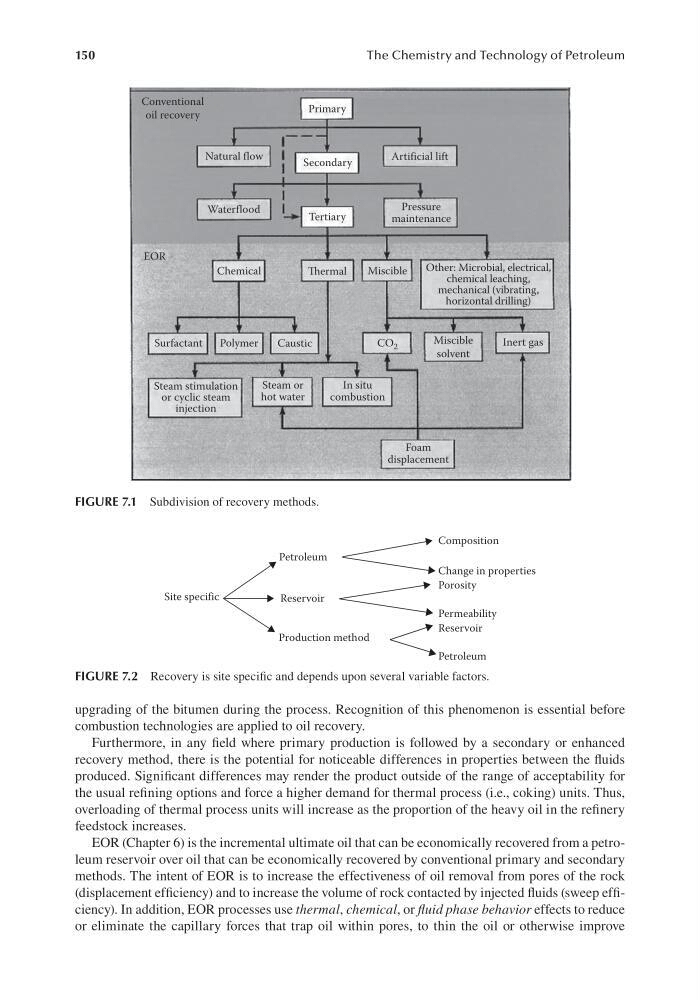
FIGURE 7.1 Subdivision of recovery methods.
Petroleum
Site specific
Reservoir
Reservoir
Composition
Change in properties
Porosity
Permeability
Production method
Petroleum
FIGURE 7.2 Recovery is site specific and depends upon several variable factors.
The Chemistry and Technology of Petroleum
upgrading of the bitumen during the process. Recognition of this phenomenon is essential before
combustion technologies are applied to oil recovery.
Furthermore, in any field where primary production is followed by a secondary or enhanced
recovery method, there is the potential for noticeable differences in properties between the fluids
produced. Significant differences may render the product outside of the range of acceptability for
the usual refining options and force a higher demand for thermal process (i.e., coking) units. Thus,
overloading of thermal process units will increase as the proportion of the heavy oil in the refinery
feedstock increases.
EOR (Chapter 6) is the incremental ultimate oil that can be economically recovered from a petroleum reservoir over oil that can be economically recovered by conventional primary and secondary
methods. The intent of EOR is to increase the effectiveness of oil removal from pores of the rock
(displacement efficiency) and to increase the volume of rock contacted by injected fluids (sweep efficiency). In addition, EOR processes use thermal, chemical, or fluid phase behavior effects to reduce
or eliminate the capillary forces that trap oil within pores, to thin the oil or otherwise improve
Primary
Secondary
Tertiary
ermal
Miscible
Miscible
solvent
Foam
displacement
In situ
combustion
Steam or
hot water
Steam stimulation
or cyclic steam
injection
Inert gas
CO 2
Other: Microbial, electrical,
chemical leaching,
mechanical (vibrating,
horizontal drilling)
Chemical
EOR
Surfactant
Polymer
Caustic
Conventional
oil recovery
Natural flow
Waterflood
Artificial lift
Pressure
maintenance
FIGURE 7.1 Subdivision of recovery methods.
Petroleum
Site specific
Reservoir
Reservoir
Composition
Change in properties
Porosity
Permeability
Production method
Petroleum
FIGURE 7.2 Recovery is site specific and depends upon several variable factors.