

133
Exploration, Recovery, and Transportation
In the pores of those volumes of reservoir rock that were not well swept by displacing fluids, the
oil continues to exist at higher concentrations and may exist as a continuous phase. This macroscopic bypassing of the oil occurs because of reservoir heterogeneity, the placement of wells, and
the effects of viscous, gravity, and capillary forces, which act simultaneously in the reservoir. The
resultant effect depends upon conditions at individual locations.
The higher the mobility of the displacing fluid relative to that of the oil (i.e., the higher the
mobility ratio), the greater the propensity of the displacing fluid to bypass oil. Because of fluid
density differences, gravity forces cause vertical segregation of the fluids in the reservoir so that
water tends to under-run, and gas to over-ride, the oil-containing rock. These mechanisms can be
controlled or utilized only to a limited extent in primary and secondary recovery operations.
For example, during waterflood, the capillary forces that cause the displacement of oil by water
can also result in the trapping of residual oil. Particularly important is the faster movement of water
through the smaller pore because (1) its smaller diameter increases the capillary force and (2) the
oil volume displaced by water is far less. Water moving more rapidly through the small pore will
reach a common outlet before all the oil is displaced from the upper large pore. A net capillary force
then is exerted on the downstream end of the large pore, which can be likened to closing a back
door. Further displacement of oil ceases, trapping oil between the two interfaces. Thus, most of the
emphasis in developing chemically enhanced methods has been toward recovering such residual oil
as might remain after waterflood.
EOR processes use thermal, chemical, or fluid phase behavior effects to reduce or eliminate the
capillary forces that trap oil within pores, to thin the oil or otherwise improve its mobility or to alter
the mobility of the displacing fluids. In some cases, the effects of gravity forces that ordinarily cause
vertical segregation of fluids of different densities, can be minimized or even used to advantage. The
various processes differ considerably in complexity, the physical mechanisms responsible for oil
recovery, and the amount of experience that has been derived from field application. The degree to
which the EOR methods are applicable in the future will depend on development of improved process technology. It will also depend on improved understanding of fluid chemistry, phase behavior,
and physical properties; and on the accuracy of geology and reservoir engineering in characterizing
the physical nature of individual reservoirs (Borchardt and Yen, 1989).
Chemical methods include polymer flooding, surfactant (micellar or polymer and microemulsion) flooding, and alkaline flood processes.
Viscosity, mPa, cP 10
Conventional
crude oil
884
934
966
1,000
Tar sand
bitumen
10
15
20
Gas injection
Water flooding
Miscible fluid
Microemulsion flooding
Combustion
35
Density, kg/m
3
Gravity, °API
Heavy
crude oil
100
1,000
10,000
100,000
1,000,000
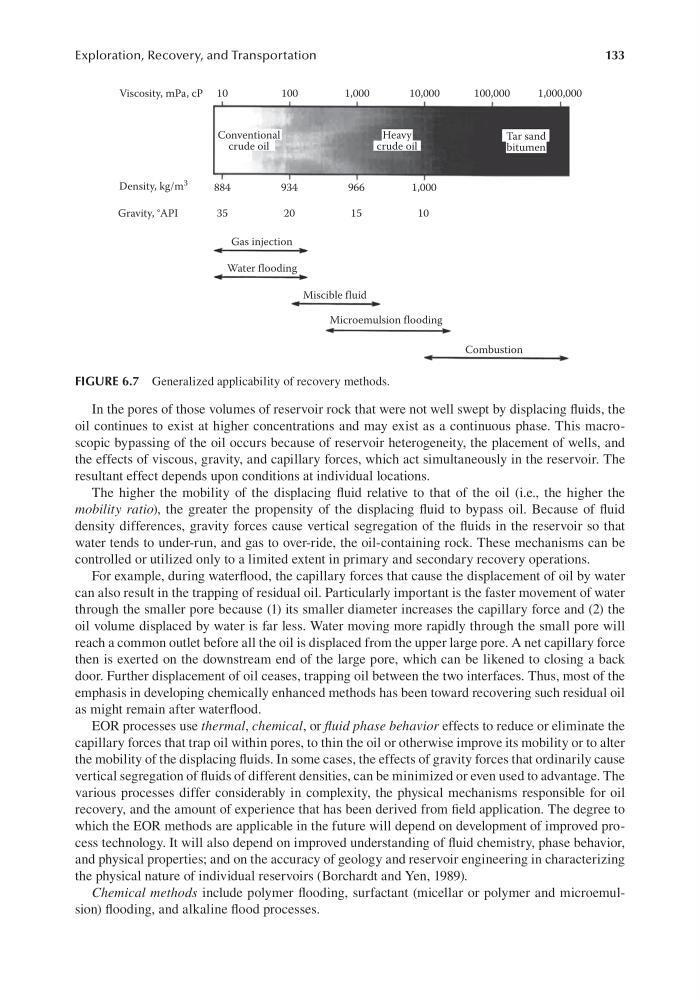
FIGURE 6.7 Generalized applicability of recovery methods.
Exploration, Recovery, and Transportation
In the pores of those volumes of reservoir rock that were not well swept by displacing fluids, the
oil continues to exist at higher concentrations and may exist as a continuous phase. This macroscopic bypassing of the oil occurs because of reservoir heterogeneity, the placement of wells, and
the effects of viscous, gravity, and capillary forces, which act simultaneously in the reservoir. The
resultant effect depends upon conditions at individual locations.
The higher the mobility of the displacing fluid relative to that of the oil (i.e., the higher the
mobility ratio), the greater the propensity of the displacing fluid to bypass oil. Because of fluid
density differences, gravity forces cause vertical segregation of the fluids in the reservoir so that
water tends to under-run, and gas to over-ride, the oil-containing rock. These mechanisms can be
controlled or utilized only to a limited extent in primary and secondary recovery operations.
For example, during waterflood, the capillary forces that cause the displacement of oil by water
can also result in the trapping of residual oil. Particularly important is the faster movement of water
through the smaller pore because (1) its smaller diameter increases the capillary force and (2) the
oil volume displaced by water is far less. Water moving more rapidly through the small pore will
reach a common outlet before all the oil is displaced from the upper large pore. A net capillary force
then is exerted on the downstream end of the large pore, which can be likened to closing a back
door. Further displacement of oil ceases, trapping oil between the two interfaces. Thus, most of the
emphasis in developing chemically enhanced methods has been toward recovering such residual oil
as might remain after waterflood.
EOR processes use thermal, chemical, or fluid phase behavior effects to reduce or eliminate the
capillary forces that trap oil within pores, to thin the oil or otherwise improve its mobility or to alter
the mobility of the displacing fluids. In some cases, the effects of gravity forces that ordinarily cause
vertical segregation of fluids of different densities, can be minimized or even used to advantage. The
various processes differ considerably in complexity, the physical mechanisms responsible for oil
recovery, and the amount of experience that has been derived from field application. The degree to
which the EOR methods are applicable in the future will depend on development of improved process technology. It will also depend on improved understanding of fluid chemistry, phase behavior,
and physical properties; and on the accuracy of geology and reservoir engineering in characterizing
the physical nature of individual reservoirs (Borchardt and Yen, 1989).
Chemical methods include polymer flooding, surfactant (micellar or polymer and microemulsion) flooding, and alkaline flood processes.
Viscosity, mPa, cP 10
Conventional
crude oil
884
934
966
1,000
Tar sand
bitumen
10
15
20
Gas injection
Water flooding
Miscible fluid
Microemulsion flooding
Combustion
35
Density, kg/m
3
Gravity, °API
Heavy
crude oil
100
1,000
10,000
100,000
1,000,000
FIGURE 6.7 Generalized applicability of recovery methods.