

126
The Chemistry and Technology of Petroleum
6.5 RECOVERY
Recovery, as applied in the petroleum industry, is the production of oil from a reservoir. There are
several methods by which this can be achieved that range from recovery due to reservoir energy
(i.e., the oil flows from the well hole without assistance) to enhanced recovery methods in which
considerable energy must be added to the reservoir to produce the oil. However, the effect of the
method on the oil and on the reservoir (Table 6.2) must be considered before application.
This chapter, for the most part, deals with those recovery methods that are applied to recovery of
conventional crude oil and, in some cases, to recovery of heavy oil. Methods that are being proposed
for the recovery of bitumen from tar deposits are presented elsewhere (Chapter 7) (Speight, 2009).
Thus, once the well is completed, the flow of oil into the well is commenced. For limestone reservoir rock, acid is pumped down the well and out of the perforations. The acid dissolves channels
in the limestone that lead oil into the well. For sandstone reservoir rock, a specially blended fluid
TABLE 6.2
Recovery Process Parameters and Their Potential Adverse Effects Leading to Sludge
and Sediment Formation
Property
Comments
Carbon dioxide injection
Lowers pH; can change oil composition leading to phase separation of sludge or sediment
and blocking of channels
Miscible flooding
Hydrocarbon-rich gases lower the solubility parameter and solvent power of the oil and
cause separation of asphaltene material
Organic chemicals
Can lower the solubility parameter and solvent power of the oil and cause separation
of asphaltene material; blocking of channels
Acidizing
Interaction of crude oil constituents upsetting molecular balance and deposition of sludge
or sediment; blocking of channels
Pressure decrease
Can change composition of oil medium leading to phase separation of asphaltene material
as sludge or sediment; blocking of channels
Temperature decrease
Can change composition of oil medium leading to phase separation of asphaltene material
as sludge or sediment; blocking of channels
Polish rod
Stuffing box
Tubing pressure
gauge
Tubing flow valve
Flow line
Casing pressure
gauge
Master valve
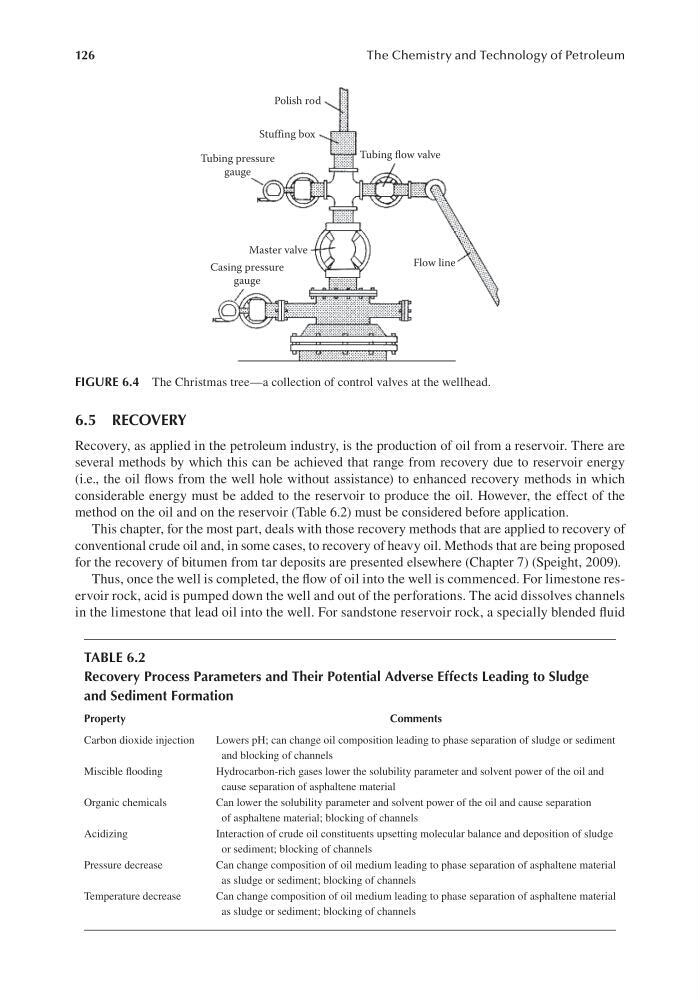
FIGURE 6.4 The Christmas tree—a collection of control valves at the wellhead.
The Chemistry and Technology of Petroleum
6.5 RECOVERY
Recovery, as applied in the petroleum industry, is the production of oil from a reservoir. There are
several methods by which this can be achieved that range from recovery due to reservoir energy
(i.e., the oil flows from the well hole without assistance) to enhanced recovery methods in which
considerable energy must be added to the reservoir to produce the oil. However, the effect of the
method on the oil and on the reservoir (Table 6.2) must be considered before application.
This chapter, for the most part, deals with those recovery methods that are applied to recovery of
conventional crude oil and, in some cases, to recovery of heavy oil. Methods that are being proposed
for the recovery of bitumen from tar deposits are presented elsewhere (Chapter 7) (Speight, 2009).
Thus, once the well is completed, the flow of oil into the well is commenced. For limestone reservoir rock, acid is pumped down the well and out of the perforations. The acid dissolves channels
in the limestone that lead oil into the well. For sandstone reservoir rock, a specially blended fluid
TABLE 6.2
Recovery Process Parameters and Their Potential Adverse Effects Leading to Sludge
and Sediment Formation
Property
Comments
Carbon dioxide injection
Lowers pH; can change oil composition leading to phase separation of sludge or sediment
and blocking of channels
Miscible flooding
Hydrocarbon-rich gases lower the solubility parameter and solvent power of the oil and
cause separation of asphaltene material
Organic chemicals
Can lower the solubility parameter and solvent power of the oil and cause separation
of asphaltene material; blocking of channels
Acidizing
Interaction of crude oil constituents upsetting molecular balance and deposition of sludge
or sediment; blocking of channels
Pressure decrease
Can change composition of oil medium leading to phase separation of asphaltene material
as sludge or sediment; blocking of channels
Temperature decrease
Can change composition of oil medium leading to phase separation of asphaltene material
as sludge or sediment; blocking of channels
Polish rod
Stuffing box
Tubing pressure
gauge
Tubing flow valve
Flow line
Casing pressure
gauge
Master valve
FIGURE 6.4 The Christmas tree—a collection of control valves at the wellhead.