

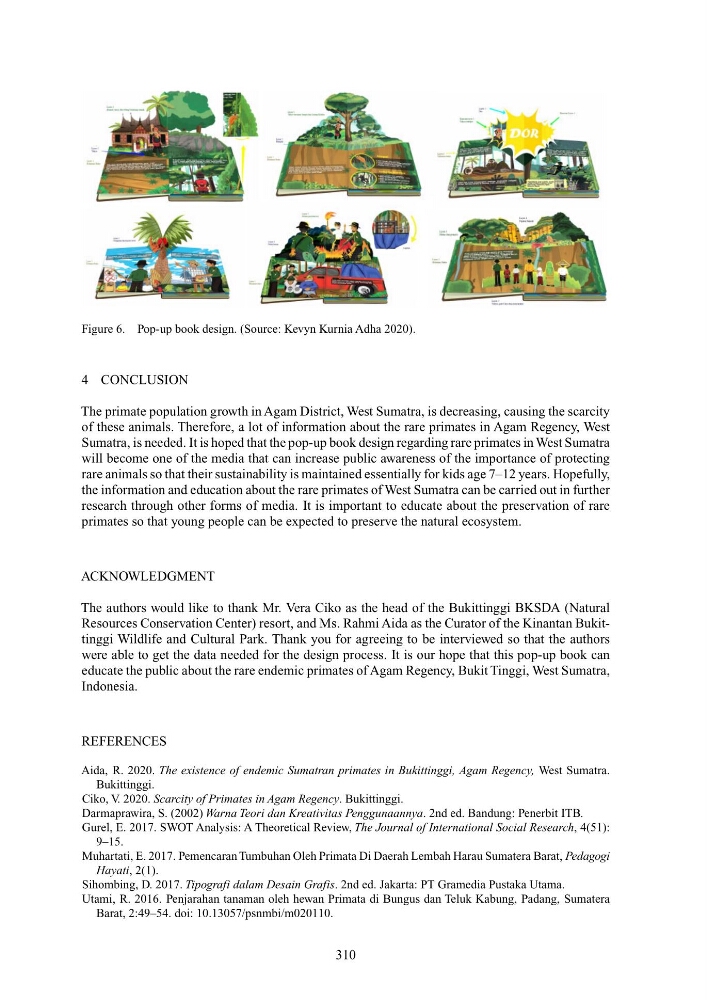
Figure 6. Pop-up book design. (Source: Kevyn Kurnia Adha 2020).
4 CONCLUSION
The primate population growth in Agam District, West Sumatra, is decreasing, causing the scarcity
of these animals. Therefore, a lot of information about the rare primates in Agam Regency, West
Sumatra, is needed. It is hoped that the pop-up book design regarding rare primates in West Sumatra
will become one of the media that can increase public awareness of the importance of protecting
rare animals so that their sustainability is maintained essentially for kids age 7–12 years. Hopefully,
the information and education about the rare primates of West Sumatra can be carried out in further
research through other forms of media. It is important to educate about the preservation of rare
primates so that young people can be expected to preserve the natural ecosystem.
ACKNOWLEDGMENT
The authors would like to thank Mr. Vera Ciko as the head of the Bukittinggi BKSDA (Natural
Resources Conservation Center) resort, and Ms. Rahmi Aida as the Curator of the Kinantan Bukittinggi Wildlife and Cultural Park. Thank you for agreeing to be interviewed so that the authors
were able to get the data needed for the design process. It is our hope that this pop-up book can
educate the public about the rare endemic primates of Agam Regency, Bukit Tinggi, West Sumatra,
Indonesia.
REFERENCES
Aida, R. 2020. The existence of endemic Sumatran primates in Bukittinggi, Agam Regency, West Sumatra.
Bukittinggi.
Ciko, V. 2020. Scarcity of Primates in Agam Regency. Bukittinggi.
Darmaprawira, S. (2002) Warna Teori dan Kreativitas Penggunaannya. 2nd ed. Bandung: Penerbit ITB.
Gurel, E. 2017. SWOT Analysis: A Theoretical Review, The Journal of International Social Research, 4(51):
9–15.
Muhartati, E. 2017. Pemencaran Tumbuhan Oleh Primata Di Daerah Lembah Harau Sumatera Barat, Pedagogi
Hayati, 2(1).
Sihombing, D. 2017. Tipografi dalam Desain Grafis. 2nd ed. Jakarta: PT Gramedia Pustaka Utama.
Utami, R. 2016. Penjarahan tanaman oleh hewan Primata di Bungus dan Teluk Kabung, Padang, Sumatera
Barat, 2:49–54. doi: 10.13057/psnmbi/m020110.
310
4 CONCLUSION
The primate population growth in Agam District, West Sumatra, is decreasing, causing the scarcity
of these animals. Therefore, a lot of information about the rare primates in Agam Regency, West
Sumatra, is needed. It is hoped that the pop-up book design regarding rare primates in West Sumatra
will become one of the media that can increase public awareness of the importance of protecting
rare animals so that their sustainability is maintained essentially for kids age 7–12 years. Hopefully,
the information and education about the rare primates of West Sumatra can be carried out in further
research through other forms of media. It is important to educate about the preservation of rare
primates so that young people can be expected to preserve the natural ecosystem.
ACKNOWLEDGMENT
The authors would like to thank Mr. Vera Ciko as the head of the Bukittinggi BKSDA (Natural
Resources Conservation Center) resort, and Ms. Rahmi Aida as the Curator of the Kinantan Bukittinggi Wildlife and Cultural Park. Thank you for agreeing to be interviewed so that the authors
were able to get the data needed for the design process. It is our hope that this pop-up book can
educate the public about the rare endemic primates of Agam Regency, Bukit Tinggi, West Sumatra,
Indonesia.
REFERENCES
Aida, R. 2020. The existence of endemic Sumatran primates in Bukittinggi, Agam Regency, West Sumatra.
Bukittinggi.
Ciko, V. 2020. Scarcity of Primates in Agam Regency. Bukittinggi.
Darmaprawira, S. (2002) Warna Teori dan Kreativitas Penggunaannya. 2nd ed. Bandung: Penerbit ITB.
Gurel, E. 2017. SWOT Analysis: A Theoretical Review, The Journal of International Social Research, 4(51):
9–15.
Muhartati, E. 2017. Pemencaran Tumbuhan Oleh Primata Di Daerah Lembah Harau Sumatera Barat, Pedagogi
Hayati, 2(1).
Sihombing, D. 2017. Tipografi dalam Desain Grafis. 2nd ed. Jakarta: PT Gramedia Pustaka Utama.
Utami, R. 2016. Penjarahan tanaman oleh hewan Primata di Bungus dan Teluk Kabung, Padang, Sumatera
Barat, 2:49–54. doi: 10.13057/psnmbi/m020110.
310