

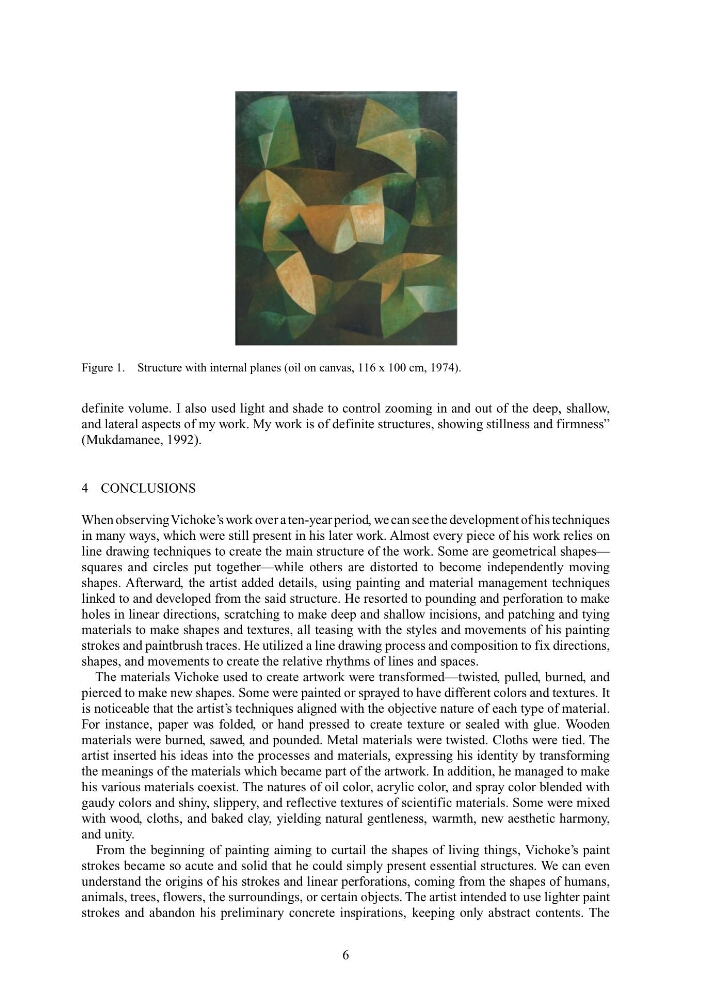
Figure 1. Structure with internal planes (oil on canvas, 116 x 100 cm, 1974).
definite volume. I also used light and shade to control zooming in and out of the deep, shallow,
and lateral aspects of my work. My work is of definite structures, showing stillness and firmness”
(Mukdamanee, 1992).
4 CONCLUSIONS
When observingVichoke’s work over a ten-year period, we can see the development of his techniques
in many ways, which were still present in his later work. Almost every piece of his work relies on
line drawing techniques to create the main structure of the work. Some are geometrical shapes—
squares and circles put together—while others are distorted to become independently moving
shapes. Afterward, the artist added details, using painting and material management techniques
linked to and developed from the said structure. He resorted to pounding and perforation to make
holes in linear directions, scratching to make deep and shallow incisions, and patching and tying
materials to make shapes and textures, all teasing with the styles and movements of his painting
strokes and paintbrush traces. He utilized a line drawing process and composition to fix directions,
shapes, and movements to create the relative rhythms of lines and spaces.
The materials Vichoke used to create artwork were transformed—twisted, pulled, burned, and
pierced to make new shapes. Some were painted or sprayed to have different colors and textures. It
is noticeable that the artist’s techniques aligned with the objective nature of each type of material.
For instance, paper was folded, or hand pressed to create texture or sealed with glue. Wooden
materials were burned, sawed, and pounded. Metal materials were twisted. Cloths were tied. The
artist inserted his ideas into the processes and materials, expressing his identity by transforming
the meanings of the materials which became part of the artwork. In addition, he managed to make
his various materials coexist. The natures of oil color, acrylic color, and spray color blended with
gaudy colors and shiny, slippery, and reflective textures of scientific materials. Some were mixed
with wood, cloths, and baked clay, yielding natural gentleness, warmth, new aesthetic harmony,
and unity.
From the beginning of painting aiming to curtail the shapes of living things, Vichoke’s paint
strokes became so acute and solid that he could simply present essential structures. We can even
understand the origins of his strokes and linear perforations, coming from the shapes of humans,
animals, trees, flowers, the surroundings, or certain objects. The artist intended to use lighter paint
strokes and abandon his preliminary concrete inspirations, keeping only abstract contents. The
6
definite volume. I also used light and shade to control zooming in and out of the deep, shallow,
and lateral aspects of my work. My work is of definite structures, showing stillness and firmness”
(Mukdamanee, 1992).
4 CONCLUSIONS
When observingVichoke’s work over a ten-year period, we can see the development of his techniques
in many ways, which were still present in his later work. Almost every piece of his work relies on
line drawing techniques to create the main structure of the work. Some are geometrical shapes—
squares and circles put together—while others are distorted to become independently moving
shapes. Afterward, the artist added details, using painting and material management techniques
linked to and developed from the said structure. He resorted to pounding and perforation to make
holes in linear directions, scratching to make deep and shallow incisions, and patching and tying
materials to make shapes and textures, all teasing with the styles and movements of his painting
strokes and paintbrush traces. He utilized a line drawing process and composition to fix directions,
shapes, and movements to create the relative rhythms of lines and spaces.
The materials Vichoke used to create artwork were transformed—twisted, pulled, burned, and
pierced to make new shapes. Some were painted or sprayed to have different colors and textures. It
is noticeable that the artist’s techniques aligned with the objective nature of each type of material.
For instance, paper was folded, or hand pressed to create texture or sealed with glue. Wooden
materials were burned, sawed, and pounded. Metal materials were twisted. Cloths were tied. The
artist inserted his ideas into the processes and materials, expressing his identity by transforming
the meanings of the materials which became part of the artwork. In addition, he managed to make
his various materials coexist. The natures of oil color, acrylic color, and spray color blended with
gaudy colors and shiny, slippery, and reflective textures of scientific materials. Some were mixed
with wood, cloths, and baked clay, yielding natural gentleness, warmth, new aesthetic harmony,
and unity.
From the beginning of painting aiming to curtail the shapes of living things, Vichoke’s paint
strokes became so acute and solid that he could simply present essential structures. We can even
understand the origins of his strokes and linear perforations, coming from the shapes of humans,
animals, trees, flowers, the surroundings, or certain objects. The artist intended to use lighter paint
strokes and abandon his preliminary concrete inspirations, keeping only abstract contents. The
6