

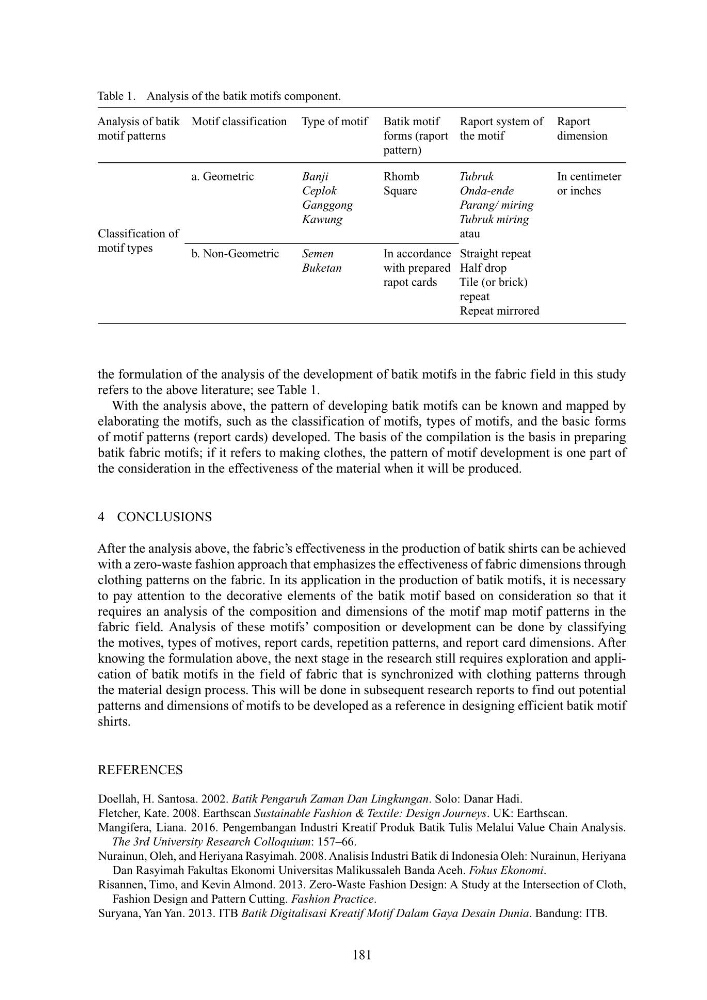
Table 1. Analysis of the batik motifs component.
Analysis of batik
motif patterns
Motif classification Type of motif Batik motif
forms (raport
pattern)
Raport system of
the motif
Raport
dimension
Classification of
motif types
a. Geometric
Banji
Ceplok
Ganggong
Kawung
Rhomb
Square
Tubruk
Onda-ende
Parang/ miring
Tubruk miring
atau
In centimeter
or inches
b. Non-Geometric
Semen
Buketan
In accordance
with prepared
rapot cards
Straight repeat
Half drop
Tile (or brick)
repeat
Repeat mirrored
the formulation of the analysis of the development of batik motifs in the fabric field in this study
refers to the above literature; see Table 1.
With the analysis above, the pattern of developing batik motifs can be known and mapped by
elaborating the motifs, such as the classification of motifs, types of motifs, and the basic forms
of motif patterns (report cards) developed. The basis of the compilation is the basis in preparing
batik fabric motifs; if it refers to making clothes, the pattern of motif development is one part of
the consideration in the effectiveness of the material when it will be produced.
4 CONCLUSIONS
After the analysis above, the fabric’s effectiveness in the production of batik shirts can be achieved
with a zero-waste fashion approach that emphasizes the effectiveness of fabric dimensions through
clothing patterns on the fabric. In its application in the production of batik motifs, it is necessary
to pay attention to the decorative elements of the batik motif based on consideration so that it
requires an analysis of the composition and dimensions of the motif map motif patterns in the
fabric field. Analysis of these motifs’ composition or development can be done by classifying
the motives, types of motives, report cards, repetition patterns, and report card dimensions. After
knowing the formulation above, the next stage in the research still requires exploration and application of batik motifs in the field of fabric that is synchronized with clothing patterns through
the material design process. This will be done in subsequent research reports to find out potential
patterns and dimensions of motifs to be developed as a reference in designing efficient batik motif
shirts.
REFERENCES
Doellah, H. Santosa. 2002. Batik Pengaruh Zaman Dan Lingkungan. Solo: Danar Hadi.
Fletcher, Kate. 2008. Earthscan Sustainable Fashion & Textile: Design Journeys. UK: Earthscan.
Mangifera, Liana. 2016. Pengembangan Industri Kreatif Produk Batik Tulis Melalui Value Chain Analysis.
The 3rd University Research Colloquium: 157–66.
Nurainun, Oleh, and Heriyana Rasyimah. 2008. Analisis Industri Batik di Indonesia Oleh: Nurainun, Heriyana
Dan Rasyimah Fakultas Ekonomi Universitas Malikussaleh Banda Aceh. Fokus Ekonomi.
Risannen, Timo, and Kevin Almond. 2013. Zero-Waste Fashion Design: A Study at the Intersection of Cloth,
Fashion Design and Pattern Cutting. Fashion Practice.
Suryana, Yan Yan. 2013. ITB Batik Digitalisasi Kreatif Motif Dalam Gaya Desain Dunia. Bandung: ITB.
181
Analysis of batik
motif patterns
Motif classification Type of motif Batik motif
forms (raport
pattern)
Raport system of
the motif
Raport
dimension
Classification of
motif types
a. Geometric
Banji
Ceplok
Ganggong
Kawung
Rhomb
Square
Tubruk
Onda-ende
Parang/ miring
Tubruk miring
atau
In centimeter
or inches
b. Non-Geometric
Semen
Buketan
In accordance
with prepared
rapot cards
Straight repeat
Half drop
Tile (or brick)
repeat
Repeat mirrored
the formulation of the analysis of the development of batik motifs in the fabric field in this study
refers to the above literature; see Table 1.
With the analysis above, the pattern of developing batik motifs can be known and mapped by
elaborating the motifs, such as the classification of motifs, types of motifs, and the basic forms
of motif patterns (report cards) developed. The basis of the compilation is the basis in preparing
batik fabric motifs; if it refers to making clothes, the pattern of motif development is one part of
the consideration in the effectiveness of the material when it will be produced.
4 CONCLUSIONS
After the analysis above, the fabric’s effectiveness in the production of batik shirts can be achieved
with a zero-waste fashion approach that emphasizes the effectiveness of fabric dimensions through
clothing patterns on the fabric. In its application in the production of batik motifs, it is necessary
to pay attention to the decorative elements of the batik motif based on consideration so that it
requires an analysis of the composition and dimensions of the motif map motif patterns in the
fabric field. Analysis of these motifs’ composition or development can be done by classifying
the motives, types of motives, report cards, repetition patterns, and report card dimensions. After
knowing the formulation above, the next stage in the research still requires exploration and application of batik motifs in the field of fabric that is synchronized with clothing patterns through
the material design process. This will be done in subsequent research reports to find out potential
patterns and dimensions of motifs to be developed as a reference in designing efficient batik motif
shirts.
REFERENCES
Doellah, H. Santosa. 2002. Batik Pengaruh Zaman Dan Lingkungan. Solo: Danar Hadi.
Fletcher, Kate. 2008. Earthscan Sustainable Fashion & Textile: Design Journeys. UK: Earthscan.
Mangifera, Liana. 2016. Pengembangan Industri Kreatif Produk Batik Tulis Melalui Value Chain Analysis.
The 3rd University Research Colloquium: 157–66.
Nurainun, Oleh, and Heriyana Rasyimah. 2008. Analisis Industri Batik di Indonesia Oleh: Nurainun, Heriyana
Dan Rasyimah Fakultas Ekonomi Universitas Malikussaleh Banda Aceh. Fokus Ekonomi.
Risannen, Timo, and Kevin Almond. 2013. Zero-Waste Fashion Design: A Study at the Intersection of Cloth,
Fashion Design and Pattern Cutting. Fashion Practice.
Suryana, Yan Yan. 2013. ITB Batik Digitalisasi Kreatif Motif Dalam Gaya Desain Dunia. Bandung: ITB.
181