

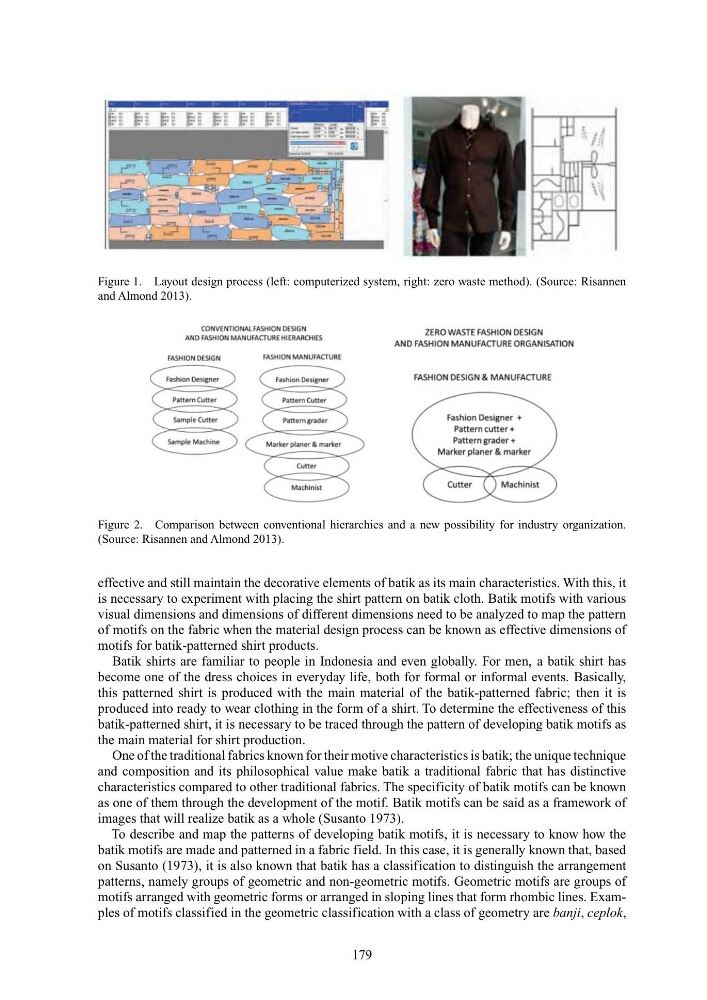
Figure 1. Layout design process (left: computerized system, right: zero waste method). (Source: Risannen
and Almond 2013).
Figure 2. Comparison between conventional hierarchies and a new possibility for industry organization.
(Source: Risannen and Almond 2013).
effective and still maintain the decorative elements of batik as its main characteristics. With this, it
is necessary to experiment with placing the shirt pattern on batik cloth. Batik motifs with various
visual dimensions and dimensions of different dimensions need to be analyzed to map the pattern
of motifs on the fabric when the material design process can be known as effective dimensions of
motifs for batik-patterned shirt products.
Batik shirts are familiar to people in Indonesia and even globally. For men, a batik shirt has
become one of the dress choices in everyday life, both for formal or informal events. Basically,
this patterned shirt is produced with the main material of the batik-patterned fabric; then it is
produced into ready to wear clothing in the form of a shirt. To determine the effectiveness of this
batik-patterned shirt, it is necessary to be traced through the pattern of developing batik motifs as
the main material for shirt production.
One of the traditional fabrics known for their motive characteristics is batik; the unique technique
and composition and its philosophical value make batik a traditional fabric that has distinctive
characteristics compared to other traditional fabrics. The specificity of batik motifs can be known
as one of them through the development of the motif. Batik motifs can be said as a framework of
images that will realize batik as a whole (Susanto 1973).
To describe and map the patterns of developing batik motifs, it is necessary to know how the
batik motifs are made and patterned in a fabric field. In this case, it is generally known that, based
on Susanto (1973), it is also known that batik has a classification to distinguish the arrangement
patterns, namely groups of geometric and non-geometric motifs. Geometric motifs are groups of
motifs arranged with geometric forms or arranged in sloping lines that form rhombic lines. Examples of motifs classified in the geometric classification with a class of geometry are banji, ceplok,
179
and Almond 2013).
Figure 2. Comparison between conventional hierarchies and a new possibility for industry organization.
(Source: Risannen and Almond 2013).
effective and still maintain the decorative elements of batik as its main characteristics. With this, it
is necessary to experiment with placing the shirt pattern on batik cloth. Batik motifs with various
visual dimensions and dimensions of different dimensions need to be analyzed to map the pattern
of motifs on the fabric when the material design process can be known as effective dimensions of
motifs for batik-patterned shirt products.
Batik shirts are familiar to people in Indonesia and even globally. For men, a batik shirt has
become one of the dress choices in everyday life, both for formal or informal events. Basically,
this patterned shirt is produced with the main material of the batik-patterned fabric; then it is
produced into ready to wear clothing in the form of a shirt. To determine the effectiveness of this
batik-patterned shirt, it is necessary to be traced through the pattern of developing batik motifs as
the main material for shirt production.
One of the traditional fabrics known for their motive characteristics is batik; the unique technique
and composition and its philosophical value make batik a traditional fabric that has distinctive
characteristics compared to other traditional fabrics. The specificity of batik motifs can be known
as one of them through the development of the motif. Batik motifs can be said as a framework of
images that will realize batik as a whole (Susanto 1973).
To describe and map the patterns of developing batik motifs, it is necessary to know how the
batik motifs are made and patterned in a fabric field. In this case, it is generally known that, based
on Susanto (1973), it is also known that batik has a classification to distinguish the arrangement
patterns, namely groups of geometric and non-geometric motifs. Geometric motifs are groups of
motifs arranged with geometric forms or arranged in sloping lines that form rhombic lines. Examples of motifs classified in the geometric classification with a class of geometry are banji, ceplok,
179