

Figure 1. Information about Gedung Gas Negara provided by the city, Paguyuban Pelestarian Budaya
Bandung.
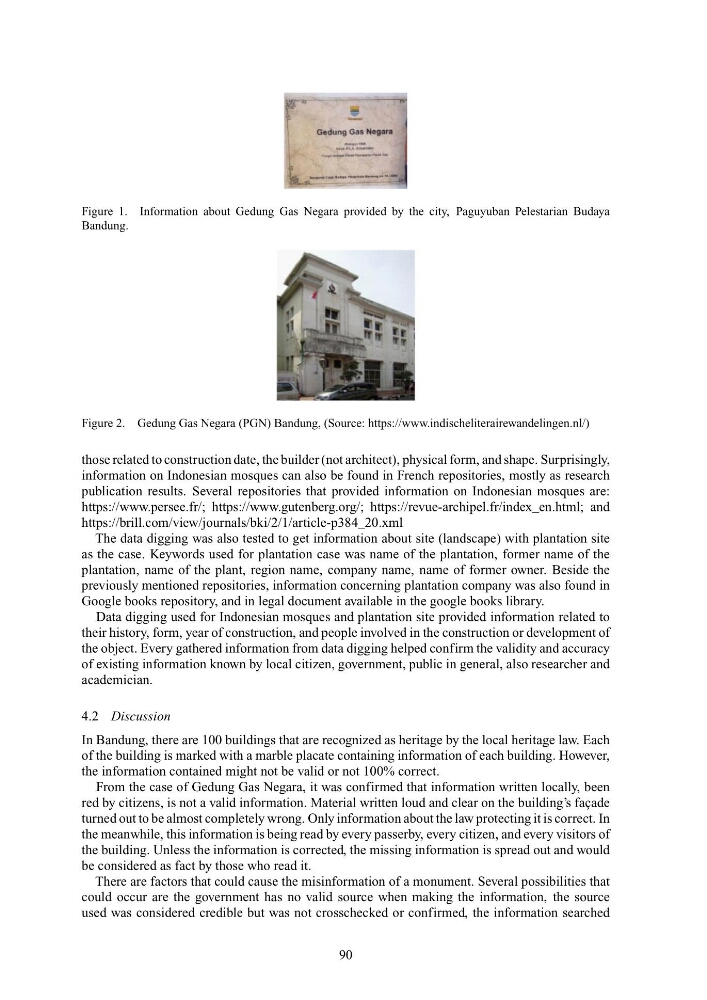
Figure 2. Gedung Gas Negara (PGN) Bandung, (Source: https://www.indischeliterairewandelingen.nl/)
those related to construction date, the builder (not architect), physical form, and shape. Surprisingly,
information on Indonesian mosques can also be found in French repositories, mostly as research
publication results. Several repositories that provided information on Indonesian mosques are:
https://www.persee.fr/; https://www.gutenberg.org/; https://revue-archipel.fr/index_en.html; and
https://brill.com/view/journals/bki/2/1/article-p384_20.xml
The data digging was also tested to get information about site (landscape) with plantation site
as the case. Keywords used for plantation case was name of the plantation, former name of the
plantation, name of the plant, region name, company name, name of former owner. Beside the
previously mentioned repositories, information concerning plantation company was also found in
Google books repository, and in legal document available in the google books library.
Data digging used for Indonesian mosques and plantation site provided information related to
their history, form, year of construction, and people involved in the construction or development of
the object. Every gathered information from data digging helped confirm the validity and accuracy
of existing information known by local citizen, government, public in general, also researcher and
academician.
4.2 Discussion
In Bandung, there are 100 buildings that are recognized as heritage by the local heritage law. Each
of the building is marked with a marble placate containing information of each building. However,
the information contained might not be valid or not 100% correct.
From the case of Gedung Gas Negara, it was confirmed that information written locally, been
red by citizens, is not a valid information. Material written loud and clear on the building’s façade
turned out to be almost completely wrong. Only information about the law protecting it is correct. In
the meanwhile, this information is being read by every passerby, every citizen, and every visitors of
the building. Unless the information is corrected, the missing information is spread out and would
be considered as fact by those who read it.
There are factors that could cause the misinformation of a monument. Several possibilities that
could occur are the government has no valid source when making the information, the source
used was considered credible but was not crosschecked or confirmed, the information searched
90
Bandung.
Figure 2. Gedung Gas Negara (PGN) Bandung, (Source: https://www.indischeliterairewandelingen.nl/)
those related to construction date, the builder (not architect), physical form, and shape. Surprisingly,
information on Indonesian mosques can also be found in French repositories, mostly as research
publication results. Several repositories that provided information on Indonesian mosques are:
https://www.persee.fr/; https://www.gutenberg.org/; https://revue-archipel.fr/index_en.html; and
https://brill.com/view/journals/bki/2/1/article-p384_20.xml
The data digging was also tested to get information about site (landscape) with plantation site
as the case. Keywords used for plantation case was name of the plantation, former name of the
plantation, name of the plant, region name, company name, name of former owner. Beside the
previously mentioned repositories, information concerning plantation company was also found in
Google books repository, and in legal document available in the google books library.
Data digging used for Indonesian mosques and plantation site provided information related to
their history, form, year of construction, and people involved in the construction or development of
the object. Every gathered information from data digging helped confirm the validity and accuracy
of existing information known by local citizen, government, public in general, also researcher and
academician.
4.2 Discussion
In Bandung, there are 100 buildings that are recognized as heritage by the local heritage law. Each
of the building is marked with a marble placate containing information of each building. However,
the information contained might not be valid or not 100% correct.
From the case of Gedung Gas Negara, it was confirmed that information written locally, been
red by citizens, is not a valid information. Material written loud and clear on the building’s façade
turned out to be almost completely wrong. Only information about the law protecting it is correct. In
the meanwhile, this information is being read by every passerby, every citizen, and every visitors of
the building. Unless the information is corrected, the missing information is spread out and would
be considered as fact by those who read it.
There are factors that could cause the misinformation of a monument. Several possibilities that
could occur are the government has no valid source when making the information, the source
used was considered credible but was not crosschecked or confirmed, the information searched
90