

543
equipment utilization gains are between 10–20%. For the same author, the expectation is
that the use of autonomous trucks will also reduce operating costs and extend the life of
some components such as the braking system and tires and reduce fuel consumption and gas
emissions.
In addition to the gains related to equipment and operation, the automation of the transport system also reduces the losses associated with human factors by overlapping the variability of each operator’s equipment, shutdowns due to physiological needs, shift changes
and absenteeism. In this way, the operation becomes more continuous, stable and safe.
Many parameters can affect the efficiency of the fleet in open pit mining, such as: (Australian
Gov, 2010; Curi et al., 2013): mine plan and mine layout; speed, payload and cycle time; tire
wear and rolling resistance; age and maintenance of the vehicles; dump site design; idle time;
engine operating parameters and transmission shift patterns;
According to Baloo (2008), and to Curi et al., (2013), the mine haulage truck selection was
based on the following criteria: Loading tool match required for mining ore and waste; availability of capital and delivery dates; productivity rate to achieve the mine plan; pit geometry
and haulage routes.
Mines with design problems, access maintenance conditions, crossings and excess auxiliary
equipment would probably not be able to obtain the indicated gains stipulated in the initial
project of implantation of autonomous trucks. Pre-analysis of mine conditions is necessary
to maximize equipment performance, avoiding unnecessary downtime.
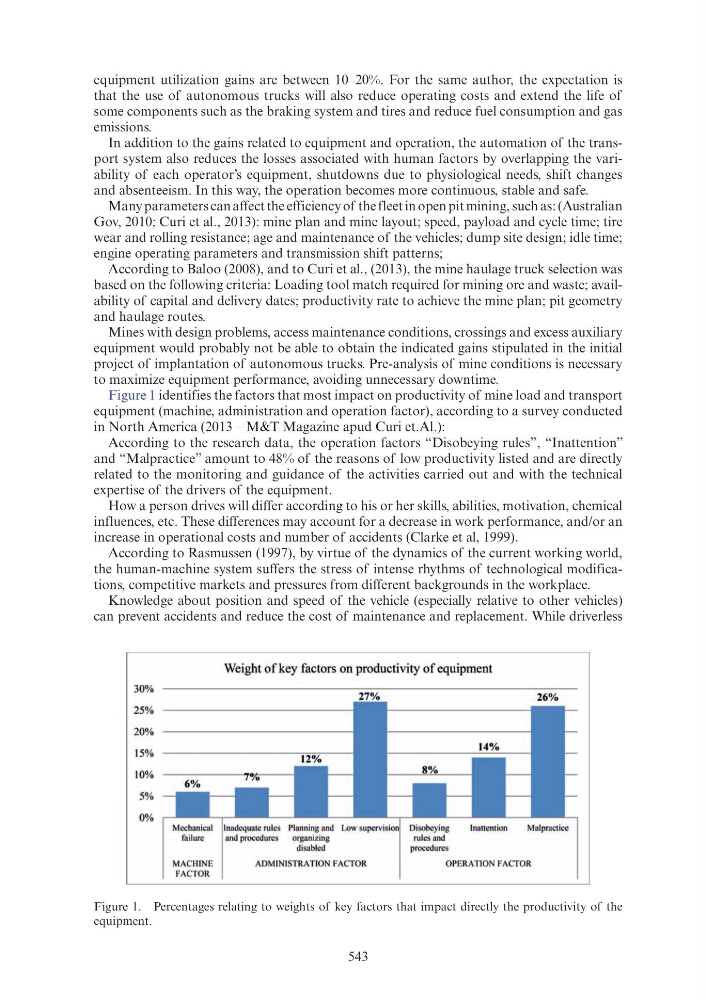
Figure 1 identifies the factors that most impact on productivity of mine load and transport
equipment (machine, administration and operation factor), according to a survey conducted
in North America (2013 – M&T Magazine apud Curi et.Al.):
According to the research data, the operation factors “Disobeying rules”, “Inattention”
and “Malpractice” amount to 48% of the reasons of low productivity listed and are directly
related to the monitoring and guidance of the activities carried out and with the technical
expertise of the drivers of the equipment.
How a person drives will differ according to his or her skills, abilities, motivation, chemical
influences, etc. These differences may account for a decrease in work performance, and/or an
increase in operational costs and number of accidents (Clarke et al, 1999).
According to Rasmussen (1997), by virtue of the dynamics of the current working world,
the human-machine system suffers the stress of intense rhythms of technological modifications, competitive markets and pressures from different backgrounds in the workplace.
Knowledge about position and speed of the vehicle (especially relative to other vehicles)
can prevent accidents and reduce the cost of maintenance and replacement. While driverless
Figure 1. Percentages relating to weights of key factors that impact directly the productivity of the
equipment.
30%
25%
20%
15%
10%
5%
0%
MACI IINE
FACTOR
Weight of key factors on productivity of equipment
and proccdtucs
organizing
disabled
procedures
ADM INISTR ATION FACTO R
O PERAT ION FACTOR