

Alkaliphiles, at least potentially, are also interesting in gas and oil recovery.
Desulfurization of natural gas and disposal of H 2 S are the most common problems in
the natural gas industry. Microorganisms which are known as lithoautotrophs
oxidize inorganic substances such as H 2 S as source of energy. The H 2 S-oxidizing
lithoautotrophs can be used for natural gas desulfurization applications. Since the
transfer velocity of H 2 S between water and air at pH 10 is about 200-fold higher than
at pH 5 [263] and the use of alkaline solutions such as (bi)carbonate solution
selectively absorbs H 2 S [264], desulfurization is conventionally accomplished at
elevated pH. Studies made on an alkaliphilic lithoautotrophic strain of
Thioalkalivibrio revealed that it can effectively remove H 2 S in haloalkaline medium,
which is a condition required for desulfurization of natural gas [265].
Alkaliphiles have also been considered in the recovery of oil. Oil drilling companies use different methods to enhance oil recovery from the ground. One among
such recent techniques is known as microbial enhanced oil recovery (MEOR).
Microorganisms used in the oil recovery facilitate the flow of oil from bedrocks to
reservoirs and from the reservoirs to the surface [266]. The microbes improve the
flow such as through (1) production of low molecular weight acids which can cause
rock dissolution, (2) production of biosurfactants which lower the interfacial tension
(IFT) and enhance oil in water micelle formation, (3) reduction of the oil’s viscosity
due to enzymatic conversion of large hydrocarbons into smaller molecules, and
(4) increasing the formation pressure by generating gases such as carbon dioxide and
nitrogen. Since alkaline flooding and alkali-polymer and alkali-surfactant-polymer
injection are common procedures in enhanced oil recovery, alkaliphiles are the
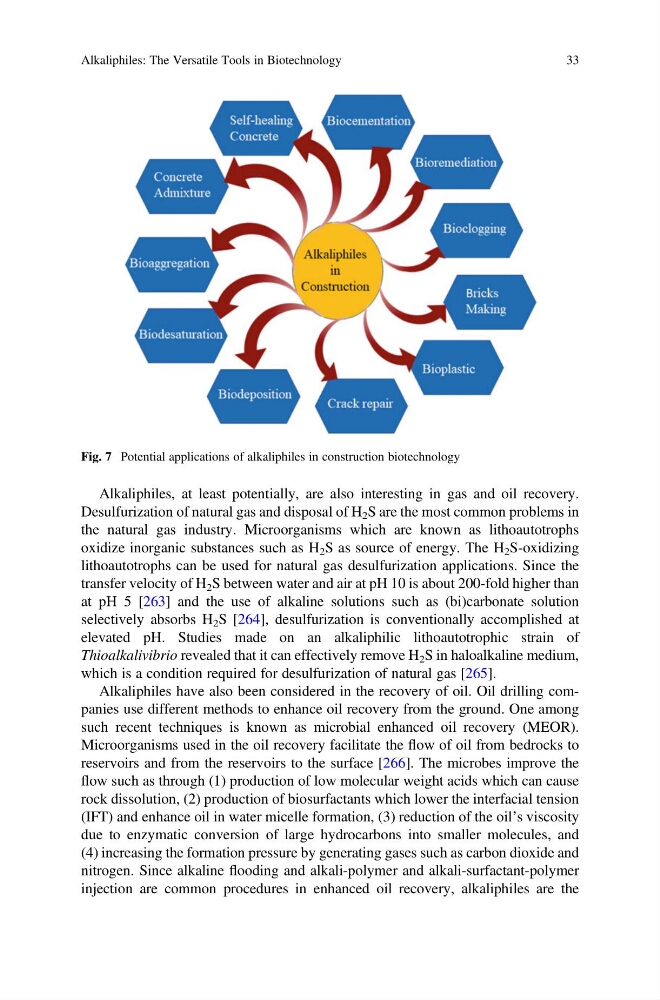
Fig. 7 Potential applications of alkaliphiles in construction biotechnology
Alkaliphiles: The Versatile Tools in Biotechnology
33
Desulfurization of natural gas and disposal of H 2 S are the most common problems in
the natural gas industry. Microorganisms which are known as lithoautotrophs
oxidize inorganic substances such as H 2 S as source of energy. The H 2 S-oxidizing
lithoautotrophs can be used for natural gas desulfurization applications. Since the
transfer velocity of H 2 S between water and air at pH 10 is about 200-fold higher than
at pH 5 [263] and the use of alkaline solutions such as (bi)carbonate solution
selectively absorbs H 2 S [264], desulfurization is conventionally accomplished at
elevated pH. Studies made on an alkaliphilic lithoautotrophic strain of
Thioalkalivibrio revealed that it can effectively remove H 2 S in haloalkaline medium,
which is a condition required for desulfurization of natural gas [265].
Alkaliphiles have also been considered in the recovery of oil. Oil drilling companies use different methods to enhance oil recovery from the ground. One among
such recent techniques is known as microbial enhanced oil recovery (MEOR).
Microorganisms used in the oil recovery facilitate the flow of oil from bedrocks to
reservoirs and from the reservoirs to the surface [266]. The microbes improve the
flow such as through (1) production of low molecular weight acids which can cause
rock dissolution, (2) production of biosurfactants which lower the interfacial tension
(IFT) and enhance oil in water micelle formation, (3) reduction of the oil’s viscosity
due to enzymatic conversion of large hydrocarbons into smaller molecules, and
(4) increasing the formation pressure by generating gases such as carbon dioxide and
nitrogen. Since alkaline flooding and alkali-polymer and alkali-surfactant-polymer
injection are common procedures in enhanced oil recovery, alkaliphiles are the
Fig. 7 Potential applications of alkaliphiles in construction biotechnology
Alkaliphiles: The Versatile Tools in Biotechnology
33