

Extremophiles evolved various mechanisms to deal with the stress stemming
from the effect of their extreme habitat. One of these adaptive strategies is to produce
and accumulate low molecular substances, extremolytes, which are capable of
protecting macromolecules against denaturing stress conditions [19, 20]. Due to
their protective nature, extremolytes have been used in formulation of skin care
products and sunscreens, and stabilization of proteins and cells, and have also been
considered as antioxidants, anticancer drugs, cell-cycle-blocking agents, etc. [21–
27]. A myriad of other bioactive substances of pharmaceutical and nutraceutical
importance have been discovered from extremophiles, and a handful of these
metabolites entered clinical trials [28]. In addition to these bioactive substances,
extremophiles are sources of industrial chemicals such as organic acids, lipids,
carotenoids, exopolysaccharides, etc. [29–31] which are of great importance in
several applications. An issue worth to mention here in relation to chemical production is the impressive ability of production and tolerance of extremophiles to
alcohols which serve as industrial chemicals or biofuels.
Extremophiles are known to play prominent role in biofuel production [32].
Moreover, their robust enzymes often used in the hydrolysis of lignocellulosic
materials to generate fermentable sugars, extremophiles have been successfully
used as fermentative organisms to produce bioethanol and butanol [33, 34], the
two important industrial and biofuel alcohols. Another biofuel that requires the
touch of extremophiles is biodiesel. In biodiesel production, the lipases of
extremophiles are used in processing lipid to biodiesel [35]. Moreover, certain
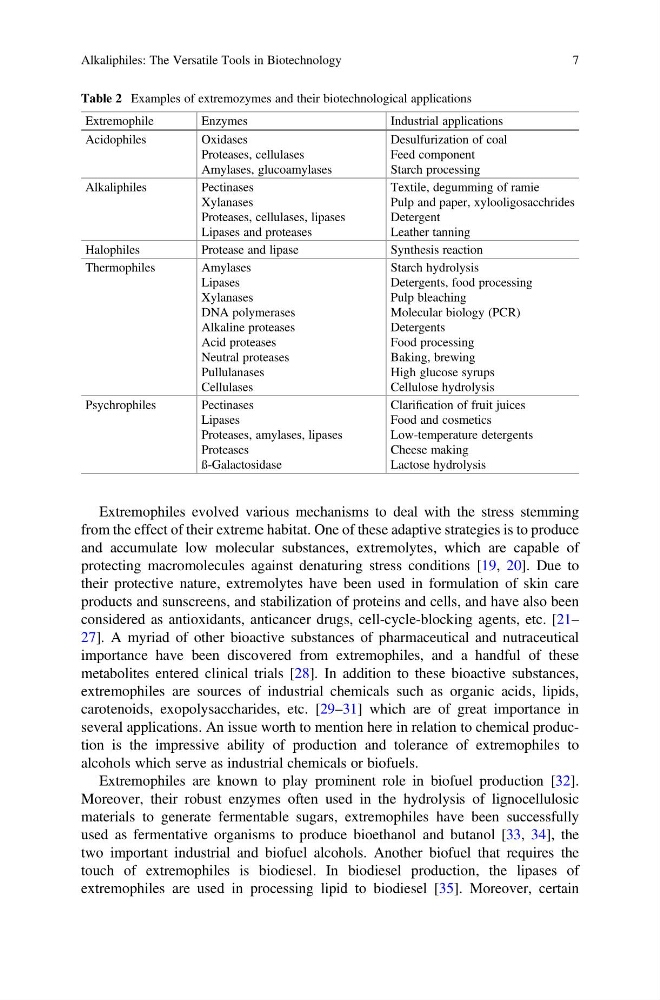
Table 2 Examples of extremozymes and their biotechnological applications
Extremophile
Enzymes
Industrial applications
Acidophiles
Oxidases
Proteases, cellulases
Amylases, glucoamylases
Desulfurization of coal
Feed component
Starch processing
Alkaliphiles
Pectinases
Xylanases
Proteases, cellulases, lipases
Lipases and proteases
Textile, degumming of ramie
Pulp and paper, xylooligosacchrides
Detergent
Leather tanning
Halophiles
Protease and lipase
Synthesis reaction
Thermophiles
Amylases
Lipases
Xylanases
DNA polymerases
Alkaline proteases
Acid proteases
Neutral proteases
Pullulanases
Cellulases
Starch hydrolysis
Detergents, food processing
Pulp bleaching
Molecular biology (PCR)
Detergents
Food processing
Baking, brewing
High glucose syrups
Cellulose hydrolysis
Psychrophiles
Pectinases
Lipases
Proteases, amylases, lipases
Proteases
ß-Galactosidase
Clarification of fruit juices
Food and cosmetics
Low-temperature detergents
Cheese making
Lactose hydrolysis
Alkaliphiles: The Versatile Tools in Biotechnology
7
from the effect of their extreme habitat. One of these adaptive strategies is to produce
and accumulate low molecular substances, extremolytes, which are capable of
protecting macromolecules against denaturing stress conditions [19, 20]. Due to
their protective nature, extremolytes have been used in formulation of skin care
products and sunscreens, and stabilization of proteins and cells, and have also been
considered as antioxidants, anticancer drugs, cell-cycle-blocking agents, etc. [21–
27]. A myriad of other bioactive substances of pharmaceutical and nutraceutical
importance have been discovered from extremophiles, and a handful of these
metabolites entered clinical trials [28]. In addition to these bioactive substances,
extremophiles are sources of industrial chemicals such as organic acids, lipids,
carotenoids, exopolysaccharides, etc. [29–31] which are of great importance in
several applications. An issue worth to mention here in relation to chemical production is the impressive ability of production and tolerance of extremophiles to
alcohols which serve as industrial chemicals or biofuels.
Extremophiles are known to play prominent role in biofuel production [32].
Moreover, their robust enzymes often used in the hydrolysis of lignocellulosic
materials to generate fermentable sugars, extremophiles have been successfully
used as fermentative organisms to produce bioethanol and butanol [33, 34], the
two important industrial and biofuel alcohols. Another biofuel that requires the
touch of extremophiles is biodiesel. In biodiesel production, the lipases of
extremophiles are used in processing lipid to biodiesel [35]. Moreover, certain
Table 2 Examples of extremozymes and their biotechnological applications
Extremophile
Enzymes
Industrial applications
Acidophiles
Oxidases
Proteases, cellulases
Amylases, glucoamylases
Desulfurization of coal
Feed component
Starch processing
Alkaliphiles
Pectinases
Xylanases
Proteases, cellulases, lipases
Lipases and proteases
Textile, degumming of ramie
Pulp and paper, xylooligosacchrides
Detergent
Leather tanning
Halophiles
Protease and lipase
Synthesis reaction
Thermophiles
Amylases
Lipases
Xylanases
DNA polymerases
Alkaline proteases
Acid proteases
Neutral proteases
Pullulanases
Cellulases
Starch hydrolysis
Detergents, food processing
Pulp bleaching
Molecular biology (PCR)
Detergents
Food processing
Baking, brewing
High glucose syrups
Cellulose hydrolysis
Psychrophiles
Pectinases
Lipases
Proteases, amylases, lipases
Proteases
ß-Galactosidase
Clarification of fruit juices
Food and cosmetics
Low-temperature detergents
Cheese making
Lactose hydrolysis
Alkaliphiles: The Versatile Tools in Biotechnology
7