

EXPLORATION, RECOVERY, AND TRANSPORTATION
95
Type/cargo
Length Beam
Draft
dwt*
Speed
1 VLCC/crude
332 m
58m
22 m 298000 15.5 kno
2 Multi product/crude
244 m
42 m 14.6 m 105000
14 knot
heated tanks
3 Clean/dirty product
183 m
32 m 12.2 m
47000 15.6 kno
4 LPG carrier
209 m 31.4 m 12.5 m
47000
—
5 LNG spherical tanks 272 m 47.2 m 11.4m 67000 18.5 kno
6 LNG'oblong'tanks
287 m 41.8 m 11.3m 71470 19.2 kno
*dwt (deadweight tonnes) is the cargo capacity of the vessel
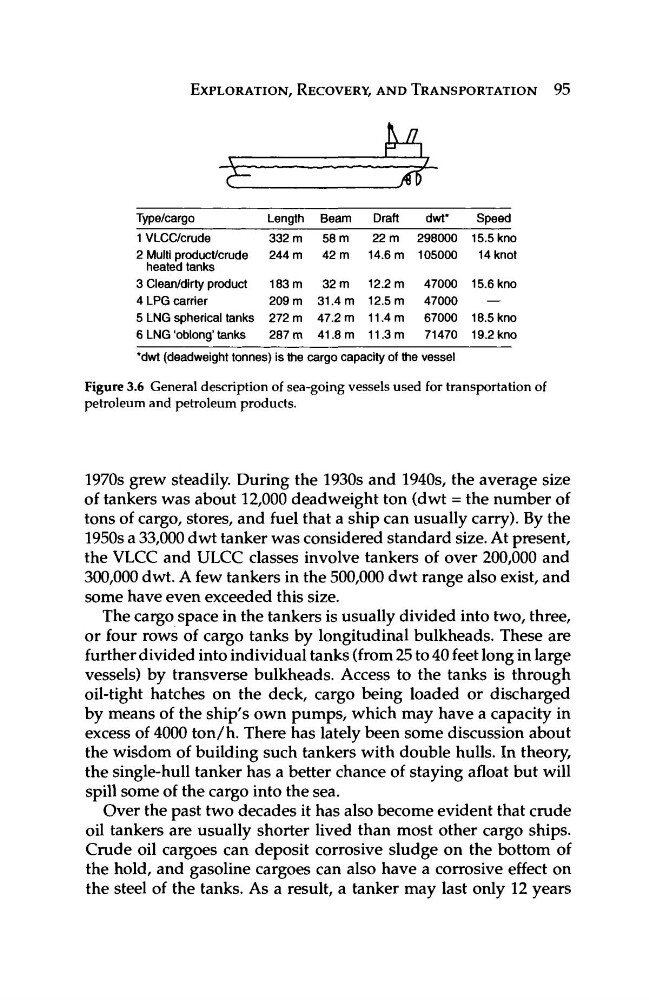
Figure 3.6 General description of sea-going vessels used for transportation of
petroleum and petroleum products.
1970s grew steadily. During the 1930s and 1940s, the average size
of tankers was about 12,000 deadweight ton (dwt = the number of
tons of cargo, stores, and fuel that a ship can usually carry). By the
1950s a 33,000 dwt tanker was considered standard size. At present,
the VLCC and ULCC classes involve tankers of over 200,000 and
300,000 dwt. A few tankers in the 500,000 dwt range also exist, and
some have even exceeded this size.
The cargo space in the tankers is usually divided into two, three,
or four rows of cargo tanks by longitudinal bulkheads. These are
further divided into individual tanks (from 25 to 40 feet long in large
vessels) by transverse bulkheads. Access to the tanks is through
oil-tight hatches on the deck, cargo being loaded or discharged
by means of the ship's own pumps, which may have a capacity in
excess of 4000 ton/h. There has lately been some discussion about
the wisdom of building such tankers with double hulls. In theory,
the single-hull tanker has a better chance of staying afloat but will
spill some of the cargo into the sea.
Over the past two decades it has also become evident that crude
oil tankers are usually shorter lived than most other cargo ships.
Crude oil cargoes can deposit corrosive sludge on the bottom of
the hold, and gasoline cargoes can also have a corrosive effect on
the steel of the tanks. As a result, a tanker may last only 12 years
95
Type/cargo
Length Beam
Draft
dwt*
Speed
1 VLCC/crude
332 m
58m
22 m 298000 15.5 kno
2 Multi product/crude
244 m
42 m 14.6 m 105000
14 knot
heated tanks
3 Clean/dirty product
183 m
32 m 12.2 m
47000 15.6 kno
4 LPG carrier
209 m 31.4 m 12.5 m
47000
—
5 LNG spherical tanks 272 m 47.2 m 11.4m 67000 18.5 kno
6 LNG'oblong'tanks
287 m 41.8 m 11.3m 71470 19.2 kno
*dwt (deadweight tonnes) is the cargo capacity of the vessel
Figure 3.6 General description of sea-going vessels used for transportation of
petroleum and petroleum products.
1970s grew steadily. During the 1930s and 1940s, the average size
of tankers was about 12,000 deadweight ton (dwt = the number of
tons of cargo, stores, and fuel that a ship can usually carry). By the
1950s a 33,000 dwt tanker was considered standard size. At present,
the VLCC and ULCC classes involve tankers of over 200,000 and
300,000 dwt. A few tankers in the 500,000 dwt range also exist, and
some have even exceeded this size.
The cargo space in the tankers is usually divided into two, three,
or four rows of cargo tanks by longitudinal bulkheads. These are
further divided into individual tanks (from 25 to 40 feet long in large
vessels) by transverse bulkheads. Access to the tanks is through
oil-tight hatches on the deck, cargo being loaded or discharged
by means of the ship's own pumps, which may have a capacity in
excess of 4000 ton/h. There has lately been some discussion about
the wisdom of building such tankers with double hulls. In theory,
the single-hull tanker has a better chance of staying afloat but will
spill some of the cargo into the sea.
Over the past two decades it has also become evident that crude
oil tankers are usually shorter lived than most other cargo ships.
Crude oil cargoes can deposit corrosive sludge on the bottom of
the hold, and gasoline cargoes can also have a corrosive effect on
the steel of the tanks. As a result, a tanker may last only 12 years