

40
(a)
(b)
(c)
Historical Background
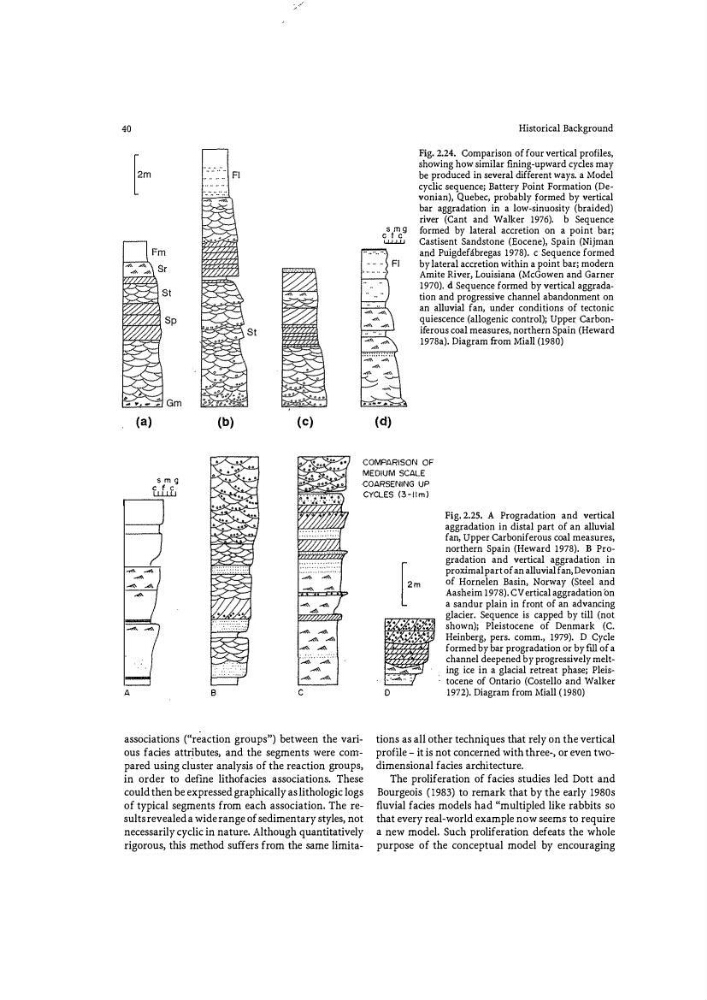
Fig. 2.24. Comparison of four vertical profiles,
showing how similar fining�upward cycles may
be produced in several different ways. a Model
cyclic sequence; Battery Point Formation (Devonian), Quebec, probably formed by vertical
bar aggradation in a low-sinuosity (braided)
river (Cant and Walker 1976). b Sequence
c s rc g
fo rmed by lateral accretion on a point bar;
LLU.J.J
Castisent Sandstone (Eocene), Spain (Nijman
and Puigdefabregas 1978). c Sequence formed
by lateral accretion within a point bar; modern
Amite River, Louisiana (McGowen and Garner
1970). d Sequence formed by vertical aggradation and progressive channel abandonment on
an alluvial fan, under conditions of tectonic
quiescence (allogenic control); Upper Carbon�
iferous coal measures, northern Spain (Heward
1978a). Diagram from Miall (1980)
(d)
smg
c f '
r--- -'l llW: :;
COMPARISON OF
MEDIUM SCALE
COARSENING UP
CYCLES (3 -!lm)
A
B
c
associations ("reaction groups") between the various facies attr�butes, and the segments were compared using cluster analysis of the reaction groups,
in order to define lithofacies associations. These
could then be expressed graphically as lithologic logs
of typical segments from each association. The results revealed a wide range of sedimentary styles, not
necessarily cyclic in nature. Although quantitatively
rigorous, this method suffers from the same lim ita0
Fig. 2.25. A Progradation and vertical
aggradation in distal part of an alluvial
fan, Upper Carboniferous coal measures,
northern Spain (Heward 1978). B Progradation and vertical aggradation in
proximal part of an alluvial fan, Devonian
of Hornelen Basin, Norway (Steel and
Aasheim 1978). CVertical aggradation On
a sandur plain in front of an advancing
glacier. Sequence is capped by till (not
shown); Pleistocene of Denmark (C.
Heinberg, pers. comm., 1979). D Cycle
formed by bar progradation or by f ill of a
channel deepened by progressively melting ice in a glacial retreat phase; Pleistocene of Ontario (Costello and Walker
1972). Diagram from Miall (1980)
tions as all other techniques that rely on the vertical
profile - it is not concerned with three-, or even twodimensional facies architecture.
The proliferation of facies studies led Dott and
Bourgeois (1983) to remark that by the early 1980s
fluvial facies models had "multipled like rabbits so
that every real-world example now seems· to require
a new model. Such proliferation defeats the whole
purpose of the conceptual model by encouraging
(a)
(b)
(c)
Historical Background
Fig. 2.24. Comparison of four vertical profiles,
showing how similar fining�upward cycles may
be produced in several different ways. a Model
cyclic sequence; Battery Point Formation (Devonian), Quebec, probably formed by vertical
bar aggradation in a low-sinuosity (braided)
river (Cant and Walker 1976). b Sequence
c s rc g
fo rmed by lateral accretion on a point bar;
LLU.J.J
Castisent Sandstone (Eocene), Spain (Nijman
and Puigdefabregas 1978). c Sequence formed
by lateral accretion within a point bar; modern
Amite River, Louisiana (McGowen and Garner
1970). d Sequence formed by vertical aggradation and progressive channel abandonment on
an alluvial fan, under conditions of tectonic
quiescence (allogenic control); Upper Carbon�
iferous coal measures, northern Spain (Heward
1978a). Diagram from Miall (1980)
(d)
smg
c f '
r--- -'l llW: :;
COMPARISON OF
MEDIUM SCALE
COARSENING UP
CYCLES (3 -!lm)
A
B
c
associations ("reaction groups") between the various facies attr�butes, and the segments were compared using cluster analysis of the reaction groups,
in order to define lithofacies associations. These
could then be expressed graphically as lithologic logs
of typical segments from each association. The results revealed a wide range of sedimentary styles, not
necessarily cyclic in nature. Although quantitatively
rigorous, this method suffers from the same lim ita0
Fig. 2.25. A Progradation and vertical
aggradation in distal part of an alluvial
fan, Upper Carboniferous coal measures,
northern Spain (Heward 1978). B Progradation and vertical aggradation in
proximal part of an alluvial fan, Devonian
of Hornelen Basin, Norway (Steel and
Aasheim 1978). CVertical aggradation On
a sandur plain in front of an advancing
glacier. Sequence is capped by till (not
shown); Pleistocene of Denmark (C.
Heinberg, pers. comm., 1979). D Cycle
formed by bar progradation or by f ill of a
channel deepened by progressively melting ice in a glacial retreat phase; Pleistocene of Ontario (Costello and Walker
1972). Diagram from Miall (1980)
tions as all other techniques that rely on the vertical
profile - it is not concerned with three-, or even twodimensional facies architecture.
The proliferation of facies studies led Dott and
Bourgeois (1983) to remark that by the early 1980s
fluvial facies models had "multipled like rabbits so
that every real-world example now seems· to require
a new model. Such proliferation defeats the whole
purpose of the conceptual model by encouraging