

158
Statistical Methods for Estimating Petroleum Resources
One of the unanswered questions is: How much oil and gas have
been trapped in the basin? The severe drawback of this approach is
that it is entirely deterministic (i.e., all geological processes are determined according to cause–effect relationships). The reliability of this
approach depends on whether (1) the sample set adequately represents
the basin or the play and (2) whether all relevant geological processes
can be quantifi ed in a deterministic way. Examples of this type of
approach are given in Goff (1983) and Coustau et al. (1988).
Burial and Thermal History Modeling
The burial and thermal history of a hydrocarbon source bed or reservoir can be reconstructed if the following conditions are met:
A stratigraphic column displaying all formations and source
1.
beds and reservoirs has been identifi ed.
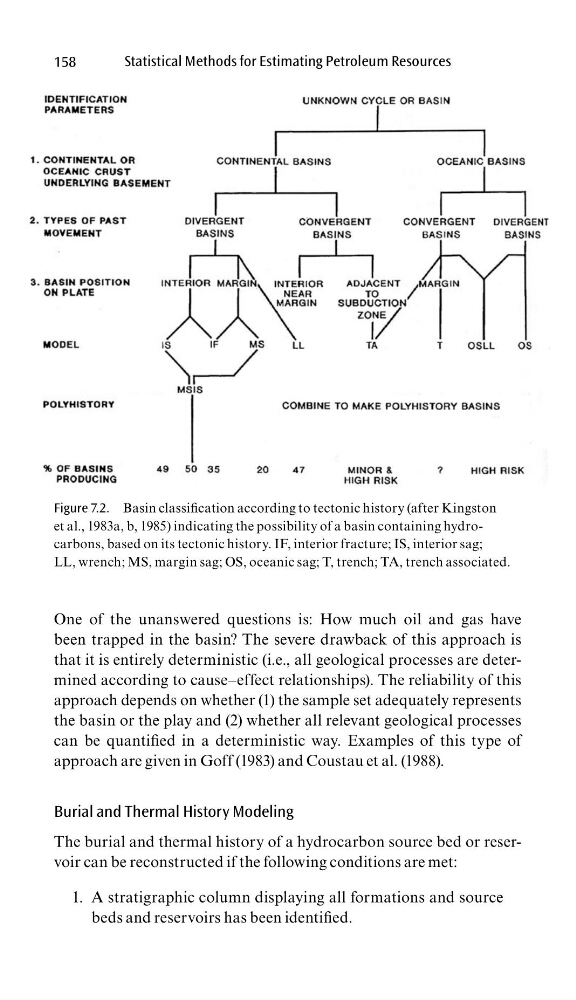
Figure 7.2. Basin classifi cation according to tectonic history (after Kingston
et al., 1983a, b, 1985) indicating the possibility of a basin containing hydrocarbons, based on its tectonic history. IF, interior fracture; IS, interior sag;
LL, wrench; MS, margin sag; OS, oceanic sag; T, trench; TA, trench associated.
Statistical Methods for Estimating Petroleum Resources
One of the unanswered questions is: How much oil and gas have
been trapped in the basin? The severe drawback of this approach is
that it is entirely deterministic (i.e., all geological processes are determined according to cause–effect relationships). The reliability of this
approach depends on whether (1) the sample set adequately represents
the basin or the play and (2) whether all relevant geological processes
can be quantifi ed in a deterministic way. Examples of this type of
approach are given in Goff (1983) and Coustau et al. (1988).
Burial and Thermal History Modeling
The burial and thermal history of a hydrocarbon source bed or reservoir can be reconstructed if the following conditions are met:
A stratigraphic column displaying all formations and source
1.
beds and reservoirs has been identifi ed.
Figure 7.2. Basin classifi cation according to tectonic history (after Kingston
et al., 1983a, b, 1985) indicating the possibility of a basin containing hydrocarbons, based on its tectonic history. IF, interior fracture; IS, interior sag;
LL, wrench; MS, margin sag; OS, oceanic sag; T, trench; TA, trench associated.