

CO 2 Emission Calculation Model of Integrated Steel Works Based on Process Analysis
31
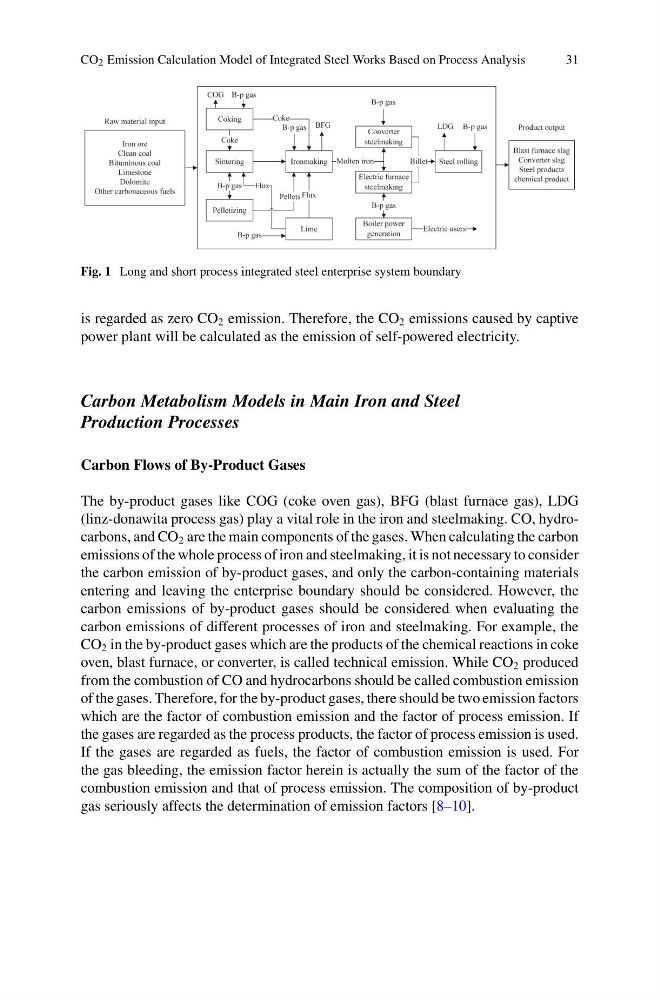
Fig. 1 Long and short process integrated steel enterprise system boundary
is regarded as zero CO 2 emission. Therefore, the CO 2 emissions caused by captive
power plant will be calculated as the emission of self-powered electricity.
Carbon Metabolism Models in Main Iron and Steel
Production Processes
Carbon Flows of By-Product Gases
The by-product gases like COG (coke oven gas), BFG (blast furnace gas), LDG
(linz-donawita process gas) play a vital role in the iron and steelmaking. CO, hydrocarbons, and CO 2 are the main components of the gases. When calculating the carbon
emissions of the whole process of iron and steelmaking, it is not necessary to consider
the carbon emission of by-product gases, and only the carbon-containing materials
entering and leaving the enterprise boundary should be considered. However, the
carbon emissions of by-product gases should be considered when evaluating the
carbon emissions of different processes of iron and steelmaking. For example, the
CO 2 in the by-product gases which are the products of the chemical reactions in coke
oven, blast furnace, or converter, is called technical emission. While CO 2 produced
from the combustion of CO and hydrocarbons should be called combustion emission
of the gases. Therefore, for the by-product gases, there should be two emission factors
which are the factor of combustion emission and the factor of process emission. If
the gases are regarded as the process products, the factor of process emission is used.
If the gases are regarded as fuels, the factor of combustion emission is used. For
the gas bleeding, the emission factor herein is actually the sum of the factor of the
combustion emission and that of process emission. The composition of by-product
gas seriously affects the determination of emission factors [8–10].
31
Fig. 1 Long and short process integrated steel enterprise system boundary
is regarded as zero CO 2 emission. Therefore, the CO 2 emissions caused by captive
power plant will be calculated as the emission of self-powered electricity.
Carbon Metabolism Models in Main Iron and Steel
Production Processes
Carbon Flows of By-Product Gases
The by-product gases like COG (coke oven gas), BFG (blast furnace gas), LDG
(linz-donawita process gas) play a vital role in the iron and steelmaking. CO, hydrocarbons, and CO 2 are the main components of the gases. When calculating the carbon
emissions of the whole process of iron and steelmaking, it is not necessary to consider
the carbon emission of by-product gases, and only the carbon-containing materials
entering and leaving the enterprise boundary should be considered. However, the
carbon emissions of by-product gases should be considered when evaluating the
carbon emissions of different processes of iron and steelmaking. For example, the
CO 2 in the by-product gases which are the products of the chemical reactions in coke
oven, blast furnace, or converter, is called technical emission. While CO 2 produced
from the combustion of CO and hydrocarbons should be called combustion emission
of the gases. Therefore, for the by-product gases, there should be two emission factors
which are the factor of combustion emission and the factor of process emission. If
the gases are regarded as the process products, the factor of process emission is used.
If the gases are regarded as fuels, the factor of combustion emission is used. For
the gas bleeding, the emission factor herein is actually the sum of the factor of the
combustion emission and that of process emission. The composition of by-product
gas seriously affects the determination of emission factors [8–10].