

1.3 Classification in the Fields of Information …
7
degree of formalization
paradigm
qualitative
behavioral science
design science
quantitative
qualitative
cross-sectional
analysis
laboratory
experiment
formal
deductive
analysis
simulation
reference
modelling
conceptual
deductive
analysis
prototyping
case study
quantitative
cross-sectional
analysis
action
research
argumentative
deductive
analysis
classification of this book in the
fields of information systems
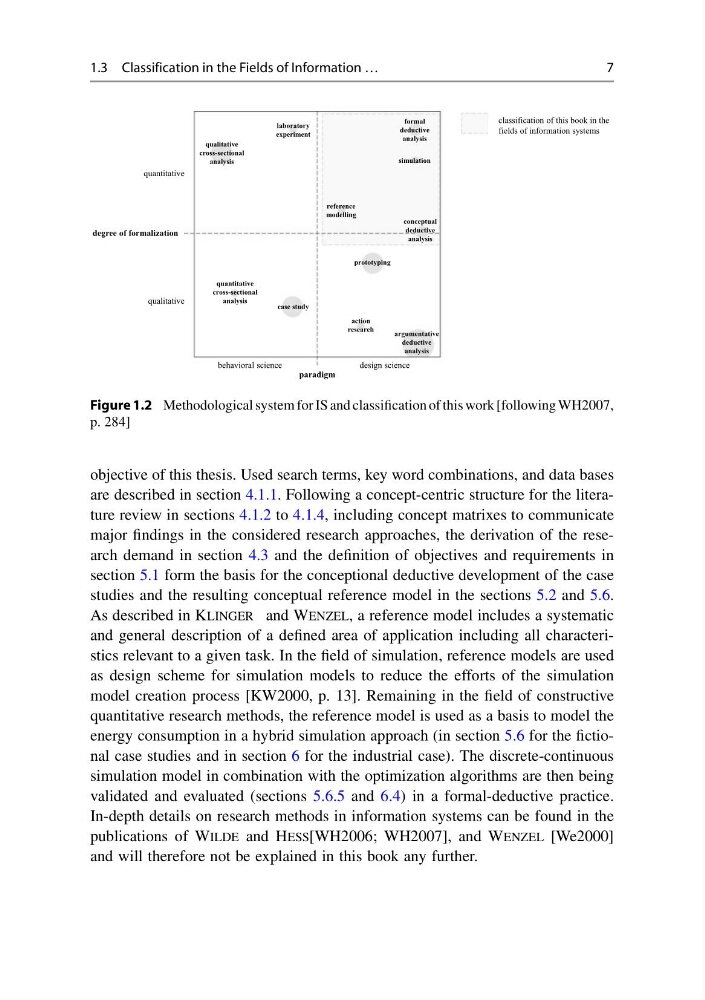
Figure 1.2 Methodological system for IS and classification of this work [following WH2007,
p. 284]
objective of this thesis. Used search terms, key word combinations, and data bases
are described in section 4.1.1. Following a concept-centric structure for the literature review in sections 4.1.2 to 4.1.4, including concept matrixes to communicate
major findings in the considered research approaches, the derivation of the research demand in section 4.3 and the definition of objectives and requirements in
section 5.1 form the basis for the conceptional deductive development of the case
studies and the resulting conceptual reference model in the sections 5.2 and 5.6.
As described in Klinger and Wenzel, a reference model includes a systematic
and general description of a defined area of application including all characteristics relevant to a given task. In the field of simulation, reference models are used
as design scheme for simulation models to reduce the efforts of the simulation
model creation process [KW2000, p. 13]. Remaining in the field of constructive
quantitative research methods, the reference model is used as a basis to model the
energy consumption in a hybrid simulation approach (in section 5.6 for the fictional case studies and in section 6 for the industrial case). The discrete-continuous
simulation model in combination with the optimization algorithms are then being
validated and evaluated (sections 5.6.5 and 6.4) in a formal-deductive practice.
In-depth details on research methods in information systems can be found in the
publications of Wilde and Hess[WH2006; WH2007], and Wenzel [We2000]
and will therefore not be explained in this book any further.
7
degree of formalization
paradigm
qualitative
behavioral science
design science
quantitative
qualitative
cross-sectional
analysis
laboratory
experiment
formal
deductive
analysis
simulation
reference
modelling
conceptual
deductive
analysis
prototyping
case study
quantitative
cross-sectional
analysis
action
research
argumentative
deductive
analysis
classification of this book in the
fields of information systems
Figure 1.2 Methodological system for IS and classification of this work [following WH2007,
p. 284]
objective of this thesis. Used search terms, key word combinations, and data bases
are described in section 4.1.1. Following a concept-centric structure for the literature review in sections 4.1.2 to 4.1.4, including concept matrixes to communicate
major findings in the considered research approaches, the derivation of the research demand in section 4.3 and the definition of objectives and requirements in
section 5.1 form the basis for the conceptional deductive development of the case
studies and the resulting conceptual reference model in the sections 5.2 and 5.6.
As described in Klinger and Wenzel, a reference model includes a systematic
and general description of a defined area of application including all characteristics relevant to a given task. In the field of simulation, reference models are used
as design scheme for simulation models to reduce the efforts of the simulation
model creation process [KW2000, p. 13]. Remaining in the field of constructive
quantitative research methods, the reference model is used as a basis to model the
energy consumption in a hybrid simulation approach (in section 5.6 for the fictional case studies and in section 6 for the industrial case). The discrete-continuous
simulation model in combination with the optimization algorithms are then being
validated and evaluated (sections 5.6.5 and 6.4) in a formal-deductive practice.
In-depth details on research methods in information systems can be found in the
publications of Wilde and Hess[WH2006; WH2007], and Wenzel [We2000]
and will therefore not be explained in this book any further.