

6.2 Working Around Discourses
77
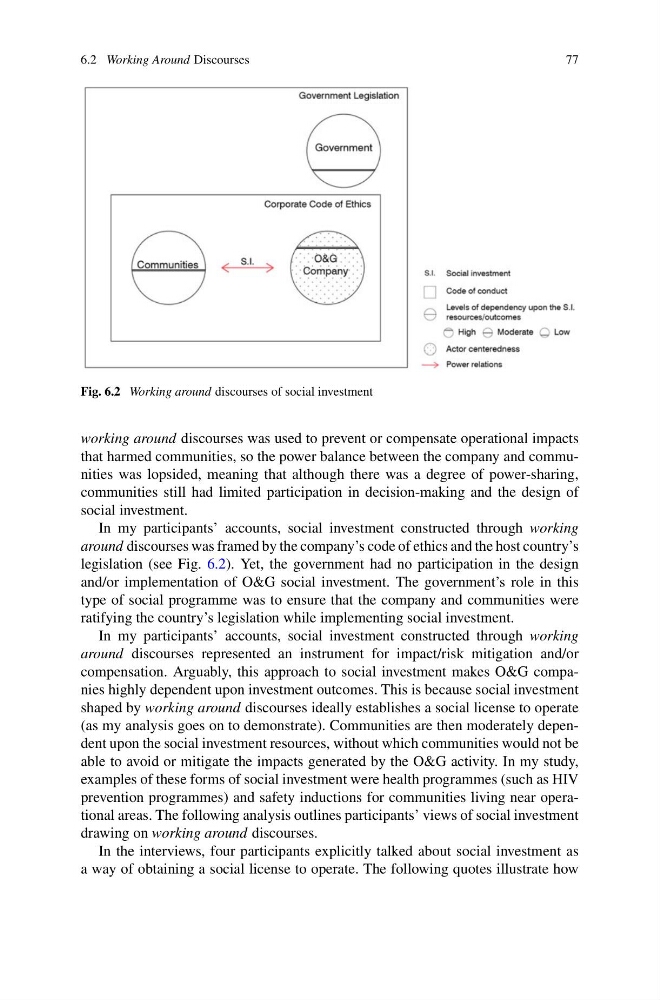
Fig. 6.2 Working around discourses of social investment
working around discourses was used to prevent or compensate operational impacts
that harmed communities, so the power balance between the company and communities was lopsided, meaning that although there was a degree of power-sharing,
communities still had limited participation in decision-making and the design of
social investment.
In my participants’ accounts, social investment constructed through working
around discourses was framed by the company’s code of ethics and the host country’s
legislation (see Fig. 6.2). Yet, the government had no participation in the design
and/or implementation of O&G social investment. The government’s role in this
type of social programme was to ensure that the company and communities were
ratifying the country’s legislation while implementing social investment.
In my participants’ accounts, social investment constructed through working
around discourses represented an instrument for impact/risk mitigation and/or
compensation. Arguably, this approach to social investment makes O&G companies highly dependent upon investment outcomes. This is because social investment
shaped by working around discourses ideally establishes a social license to operate
(as my analysis goes on to demonstrate). Communities are then moderately dependent upon the social investment resources, without which communities would not be
able to avoid or mitigate the impacts generated by the O&G activity. In my study,
examples of these forms of social investment were health programmes (such as HIV
prevention programmes) and safety inductions for communities living near operational areas. The following analysis outlines participants’ views of social investment
drawing on working around discourses.
In the interviews, four participants explicitly talked about social investment as
a way of obtaining a social license to operate. The following quotes illustrate how
77
Fig. 6.2 Working around discourses of social investment
working around discourses was used to prevent or compensate operational impacts
that harmed communities, so the power balance between the company and communities was lopsided, meaning that although there was a degree of power-sharing,
communities still had limited participation in decision-making and the design of
social investment.
In my participants’ accounts, social investment constructed through working
around discourses was framed by the company’s code of ethics and the host country’s
legislation (see Fig. 6.2). Yet, the government had no participation in the design
and/or implementation of O&G social investment. The government’s role in this
type of social programme was to ensure that the company and communities were
ratifying the country’s legislation while implementing social investment.
In my participants’ accounts, social investment constructed through working
around discourses represented an instrument for impact/risk mitigation and/or
compensation. Arguably, this approach to social investment makes O&G companies highly dependent upon investment outcomes. This is because social investment
shaped by working around discourses ideally establishes a social license to operate
(as my analysis goes on to demonstrate). Communities are then moderately dependent upon the social investment resources, without which communities would not be
able to avoid or mitigate the impacts generated by the O&G activity. In my study,
examples of these forms of social investment were health programmes (such as HIV
prevention programmes) and safety inductions for communities living near operational areas. The following analysis outlines participants’ views of social investment
drawing on working around discourses.
In the interviews, four participants explicitly talked about social investment as
a way of obtaining a social license to operate. The following quotes illustrate how