

84
6 Social Investment Discourses in Participants’ Interviews
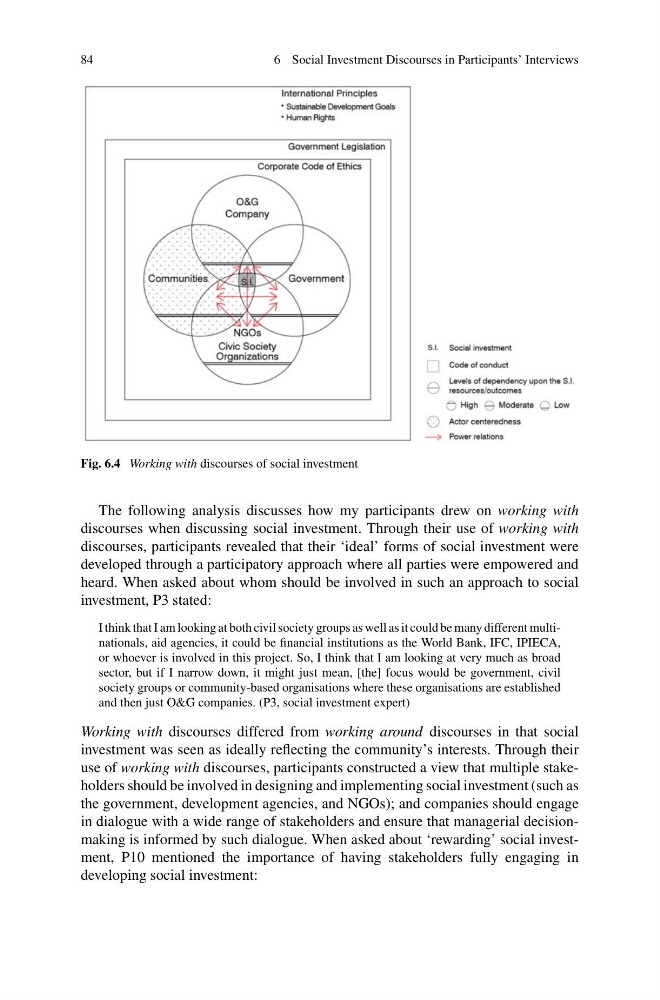
Fig. 6.4 Working with discourses of social investment
The following analysis discusses how my participants drew on working with
discourses when discussing social investment. Through their use of working with
discourses, participants revealed that their ‘ideal’ forms of social investment were
developed through a participatory approach where all parties were empowered and
heard. When asked about whom should be involved in such an approach to social
investment, P3 stated:
I think that I am looking at both civil society groups as well as it could be many different multinationals, aid agencies, it could be financial institutions as the World Bank, IFC, IPIECA,
or whoever is involved in this project. So, I think that I am looking at very much as broad
sector, but if I narrow down, it might just mean, [the] focus would be government, civil
society groups or community-based organisations where these organisations are established
and then just O&G companies. (P3, social investment expert)
Working with discourses differed from working around discourses in that social
investment was seen as ideally reflecting the community’s interests. Through their
use of working with discourses, participants constructed a view that multiple stakeholders should be involved in designing and implementing social investment (such as
the government, development agencies, and NGOs); and companies should engage
in dialogue with a wide range of stakeholders and ensure that managerial decisionmaking is informed by such dialogue. When asked about ‘rewarding’ social investment, P10 mentioned the importance of having stakeholders fully engaging in
developing social investment:
6 Social Investment Discourses in Participants’ Interviews
Fig. 6.4 Working with discourses of social investment
The following analysis discusses how my participants drew on working with
discourses when discussing social investment. Through their use of working with
discourses, participants revealed that their ‘ideal’ forms of social investment were
developed through a participatory approach where all parties were empowered and
heard. When asked about whom should be involved in such an approach to social
investment, P3 stated:
I think that I am looking at both civil society groups as well as it could be many different multinationals, aid agencies, it could be financial institutions as the World Bank, IFC, IPIECA,
or whoever is involved in this project. So, I think that I am looking at very much as broad
sector, but if I narrow down, it might just mean, [the] focus would be government, civil
society groups or community-based organisations where these organisations are established
and then just O&G companies. (P3, social investment expert)
Working with discourses differed from working around discourses in that social
investment was seen as ideally reflecting the community’s interests. Through their
use of working with discourses, participants constructed a view that multiple stakeholders should be involved in designing and implementing social investment (such as
the government, development agencies, and NGOs); and companies should engage
in dialogue with a wide range of stakeholders and ensure that managerial decisionmaking is informed by such dialogue. When asked about ‘rewarding’ social investment, P10 mentioned the importance of having stakeholders fully engaging in
developing social investment: