

Another problematic case for NRVS analysis involves samples with anharmonic
motion. The Kr clathrate hydrate, where Kr replaces the more common CH 4
molecule, is of interest in part because it exhibits anomalous glass-like thermal
conductivity. This has been ascribed to “rattling” of the Kr guest, with some
similarities to “rattling” of rare earths in the previous skutterudite example
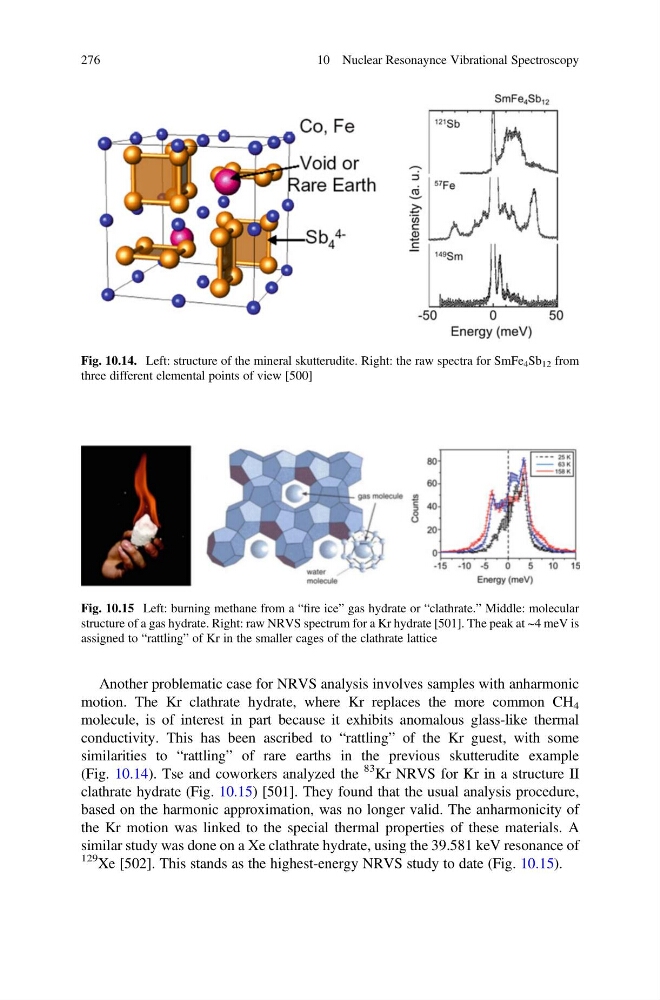
(Fig. 10.14). Tse and coworkers analyzed the
83 Kr NRVS for Kr in a structure II
clathrate hydrate (Fig. 10.15) [501]. They found that the usual analysis procedure,
based on the harmonic approximation, was no longer valid. The anharmonicity of
the Kr motion was linked to the special thermal properties of these materials. A
similar study was done on a Xe clathrate hydrate, using the 39.581 keV resonance of
129 Xe [502]. This stands as the highest-energy NRVS study to date (Fig. 10.15).
Fig. 10.14. Left: structure of the mineral skutterudite. Right: the raw spectra for SmFe 4 Sb 12 from
three different elemental points of view [500]
Fig. 10.15 Left: burning methane from a “fire ice” gas hydrate or “clathrate.” Middle: molecular
structure of a gas hydrate. Right: raw NRVS spectrum for a Kr hydrate [501]. The peak at ~4 meV is
assigned to “rattling” of Kr in the smaller cages of the clathrate lattice
276
10 Nuclear Resonaynce Vibrational Spectroscopy
motion. The Kr clathrate hydrate, where Kr replaces the more common CH 4
molecule, is of interest in part because it exhibits anomalous glass-like thermal
conductivity. This has been ascribed to “rattling” of the Kr guest, with some
similarities to “rattling” of rare earths in the previous skutterudite example
(Fig. 10.14). Tse and coworkers analyzed the
83 Kr NRVS for Kr in a structure II
clathrate hydrate (Fig. 10.15) [501]. They found that the usual analysis procedure,
based on the harmonic approximation, was no longer valid. The anharmonicity of
the Kr motion was linked to the special thermal properties of these materials. A
similar study was done on a Xe clathrate hydrate, using the 39.581 keV resonance of
129 Xe [502]. This stands as the highest-energy NRVS study to date (Fig. 10.15).
Fig. 10.14. Left: structure of the mineral skutterudite. Right: the raw spectra for SmFe 4 Sb 12 from
three different elemental points of view [500]
Fig. 10.15 Left: burning methane from a “fire ice” gas hydrate or “clathrate.” Middle: molecular
structure of a gas hydrate. Right: raw NRVS spectrum for a Kr hydrate [501]. The peak at ~4 meV is
assigned to “rattling” of Kr in the smaller cages of the clathrate lattice
276
10 Nuclear Resonaynce Vibrational Spectroscopy