

and intra membrane particle was elucidated. Non-bilayer structures are formed by
non-bilayer preferring lipids. And Israelachvili et al. analyzed thermodynamically
relationship between shape of lipid molecule and structure of lipid assembly in
aqueous environment [34]. Cylindrical lipids assemble to form lipid bilayer membrane and inverted cone lipids form inverted micelle or hexagonal II structure. These
structures are observed by freeze-structured electron microscope as shown in
Fig. 6.6.
6.5.2 Non-bilayer Membrane Structure in Membrane Fusion
Membrane fusion is important mechanism for change of compartment such as
membrane traffic, endocytosis, exocytosis and cell division. Molecular mechanism
of membrane fusion was studied in membrane fusion of synapse vesicle in nerve
ending. There are specific complexes, t-SNARE and v-SNARE in vesicle membrane
and target membrane, respectively. And it is supposed that these complexes change
the structure to bind both membranes compactly and result in membrane fusion
[35]. Molecular model of region in the membrane fusion was proposed by X-ray
diffraction analysis of SNARE complexes [36]. Induction of membrane fusion by
close contact was proved by using bee venom, melittin (having positively charged
basic amino acids region and hydrophobic amino acids region) in liposomal system
Neurotransmitter
hormon etc,
Receptor
G protein
Phospholipase C
Calcium ions
IP3
Protein kinase C
(Inactive form)
Protein kinase C
(Active form)
Phosphatidylserine
Phosphatidylinositol-bisphosphate
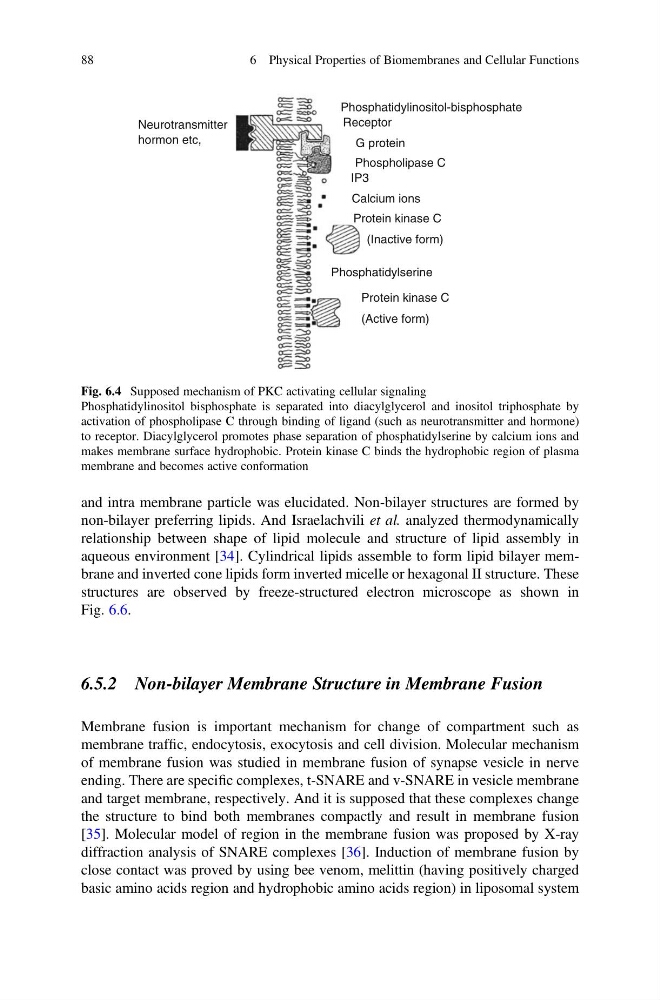
Fig. 6.4 Supposed mechanism of PKC activating cellular signaling
Phosphatidylinositol bisphosphate is separated into diacylglycerol and inositol triphosphate by
activation of phospholipase C through binding of ligand (such as neurotransmitter and hormone)
to receptor. Diacylglycerol promotes phase separation of phosphatidylserine by calcium ions and
makes membrane surface hydrophobic. Protein kinase C binds the hydrophobic region of plasma
membrane and becomes active conformation
88
6 Physical Properties of Biomembranes and Cellular Functions
non-bilayer preferring lipids. And Israelachvili et al. analyzed thermodynamically
relationship between shape of lipid molecule and structure of lipid assembly in
aqueous environment [34]. Cylindrical lipids assemble to form lipid bilayer membrane and inverted cone lipids form inverted micelle or hexagonal II structure. These
structures are observed by freeze-structured electron microscope as shown in
Fig. 6.6.
6.5.2 Non-bilayer Membrane Structure in Membrane Fusion
Membrane fusion is important mechanism for change of compartment such as
membrane traffic, endocytosis, exocytosis and cell division. Molecular mechanism
of membrane fusion was studied in membrane fusion of synapse vesicle in nerve
ending. There are specific complexes, t-SNARE and v-SNARE in vesicle membrane
and target membrane, respectively. And it is supposed that these complexes change
the structure to bind both membranes compactly and result in membrane fusion
[35]. Molecular model of region in the membrane fusion was proposed by X-ray
diffraction analysis of SNARE complexes [36]. Induction of membrane fusion by
close contact was proved by using bee venom, melittin (having positively charged
basic amino acids region and hydrophobic amino acids region) in liposomal system
Neurotransmitter
hormon etc,
Receptor
G protein
Phospholipase C
Calcium ions
IP3
Protein kinase C
(Inactive form)
Protein kinase C
(Active form)
Phosphatidylserine
Phosphatidylinositol-bisphosphate
Fig. 6.4 Supposed mechanism of PKC activating cellular signaling
Phosphatidylinositol bisphosphate is separated into diacylglycerol and inositol triphosphate by
activation of phospholipase C through binding of ligand (such as neurotransmitter and hormone)
to receptor. Diacylglycerol promotes phase separation of phosphatidylserine by calcium ions and
makes membrane surface hydrophobic. Protein kinase C binds the hydrophobic region of plasma
membrane and becomes active conformation
88
6 Physical Properties of Biomembranes and Cellular Functions