

3.4 Analysis
121
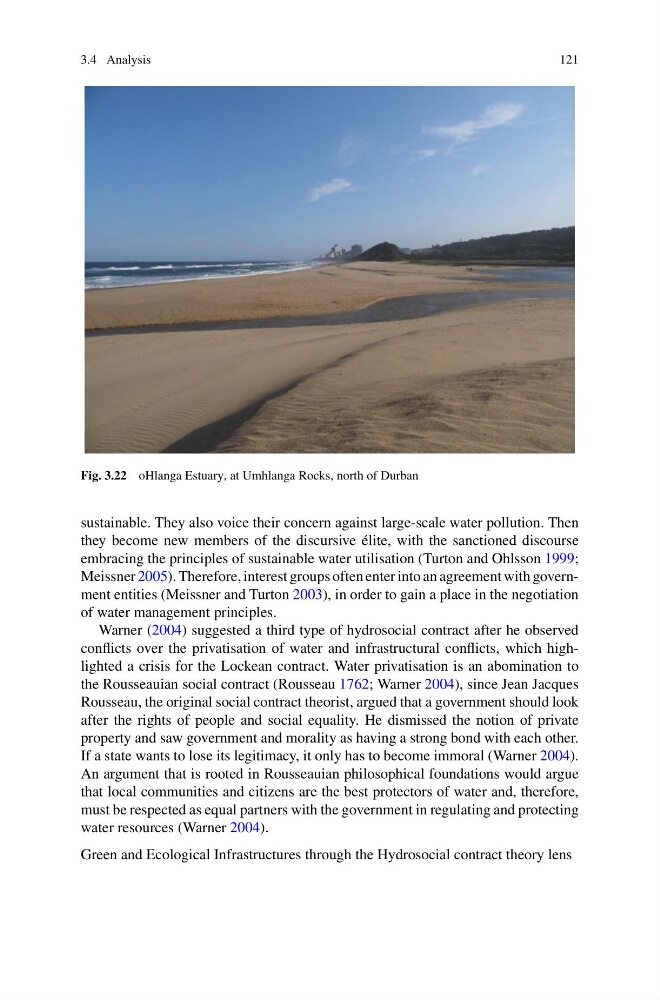
Fig. 3.22 oHlanga Estuary, at Umhlanga Rocks, north of Durban
sustainable. They also voice their concern against large-scale water pollution. Then
they become new members of the discursive élite, with the sanctioned discourse
embracing the principles of sustainable water utilisation (Turton and Ohlsson 1999;
Meissner 2005). Therefore, interest groups often enter into an agreement with government entities (Meissner and Turton 2003), in order to gain a place in the negotiation
of water management principles.
Warner (2004) suggested a third type of hydrosocial contract after he observed
conflicts over the privatisation of water and infrastructural conflicts, which highlighted a crisis for the Lockean contract. Water privatisation is an abomination to
the Rousseauian social contract (Rousseau 1762; Warner 2004), since Jean Jacques
Rousseau, the original social contract theorist, argued that a government should look
after the rights of people and social equality. He dismissed the notion of private
property and saw government and morality as having a strong bond with each other.
If a state wants to lose its legitimacy, it only has to become immoral (Warner 2004).
An argument that is rooted in Rousseauian philosophical foundations would argue
that local communities and citizens are the best protectors of water and, therefore,
must be respected as equal partners with the government in regulating and protecting
water resources (Warner 2004).
Green and Ecological Infrastructures through the Hydrosocial contract theory lens
121
Fig. 3.22 oHlanga Estuary, at Umhlanga Rocks, north of Durban
sustainable. They also voice their concern against large-scale water pollution. Then
they become new members of the discursive élite, with the sanctioned discourse
embracing the principles of sustainable water utilisation (Turton and Ohlsson 1999;
Meissner 2005). Therefore, interest groups often enter into an agreement with government entities (Meissner and Turton 2003), in order to gain a place in the negotiation
of water management principles.
Warner (2004) suggested a third type of hydrosocial contract after he observed
conflicts over the privatisation of water and infrastructural conflicts, which highlighted a crisis for the Lockean contract. Water privatisation is an abomination to
the Rousseauian social contract (Rousseau 1762; Warner 2004), since Jean Jacques
Rousseau, the original social contract theorist, argued that a government should look
after the rights of people and social equality. He dismissed the notion of private
property and saw government and morality as having a strong bond with each other.
If a state wants to lose its legitimacy, it only has to become immoral (Warner 2004).
An argument that is rooted in Rousseauian philosophical foundations would argue
that local communities and citizens are the best protectors of water and, therefore,
must be respected as equal partners with the government in regulating and protecting
water resources (Warner 2004).
Green and Ecological Infrastructures through the Hydrosocial contract theory lens