

94
3 eThekwini’s Green and Ecological Infrastructure Policy Landscape
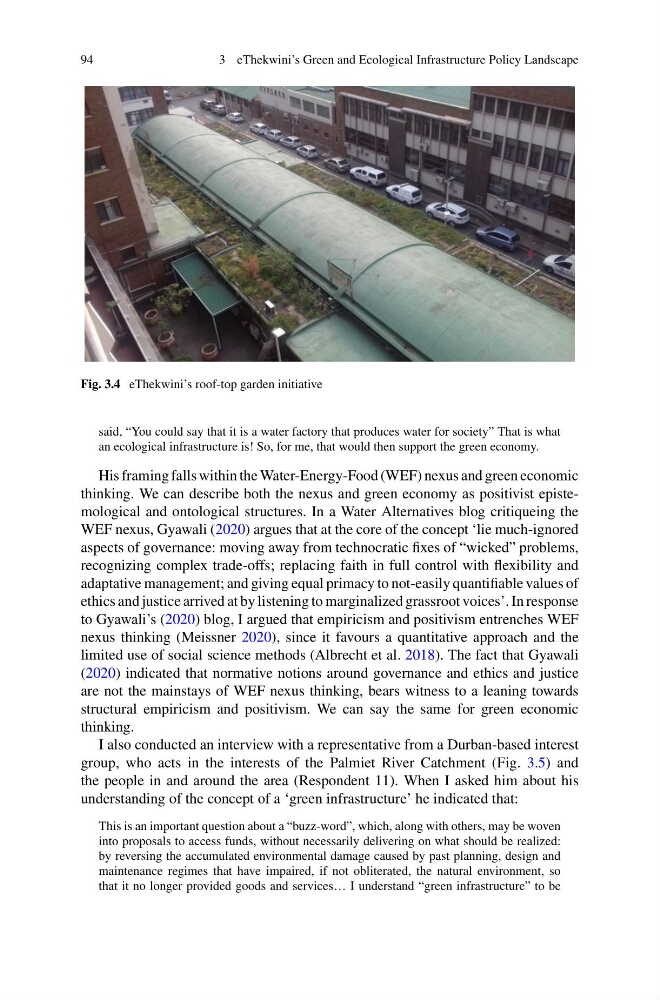
Fig. 3.4 eThekwini’s roof-top garden initiative
said, “You could say that it is a water factory that produces water for society” That is what
an ecological infrastructure is! So, for me, that would then support the green economy.
His framing falls within the Water-Energy-Food (WEF) nexus and green economic
thinking. We can describe both the nexus and green economy as positivist epistemological and ontological structures. In a Water Alternatives blog critiqueing the
WEF nexus, Gyawali (2020) argues that at the core of the concept ‘lie much-ignored
aspects of governance: moving away from technocratic fixes of “wicked” problems,
recognizing complex trade-offs; replacing faith in full control with flexibility and
adaptative management; and giving equal primacy to not-easily quantifiable values of
ethics and justice arrived at by listening to marginalized grassroot voices’. In response
to Gyawali’s (2020) blog, I argued that empiricism and positivism entrenches WEF
nexus thinking (Meissner 2020), since it favours a quantitative approach and the
limited use of social science methods (Albrecht et al. 2018). The fact that Gyawali
(2020) indicated that normative notions around governance and ethics and justice
are not the mainstays of WEF nexus thinking, bears witness to a leaning towards
structural empiricism and positivism. We can say the same for green economic
thinking.
I also conducted an interview with a representative from a Durban-based interest
group, who acts in the interests of the Palmiet River Catchment (Fig. 3.5) and
the people in and around the area (Respondent 11). When I asked him about his
understanding of the concept of a ‘green infrastructure’ he indicated that:
This is an important question about a “buzz-word”, which, along with others, may be woven
into proposals to access funds, without necessarily delivering on what should be realized:
by reversing the accumulated environmental damage caused by past planning, design and
maintenance regimes that have impaired, if not obliterated, the natural environment, so
that it no longer provided goods and services… I understand “green infrastructure” to be
3 eThekwini’s Green and Ecological Infrastructure Policy Landscape
Fig. 3.4 eThekwini’s roof-top garden initiative
said, “You could say that it is a water factory that produces water for society” That is what
an ecological infrastructure is! So, for me, that would then support the green economy.
His framing falls within the Water-Energy-Food (WEF) nexus and green economic
thinking. We can describe both the nexus and green economy as positivist epistemological and ontological structures. In a Water Alternatives blog critiqueing the
WEF nexus, Gyawali (2020) argues that at the core of the concept ‘lie much-ignored
aspects of governance: moving away from technocratic fixes of “wicked” problems,
recognizing complex trade-offs; replacing faith in full control with flexibility and
adaptative management; and giving equal primacy to not-easily quantifiable values of
ethics and justice arrived at by listening to marginalized grassroot voices’. In response
to Gyawali’s (2020) blog, I argued that empiricism and positivism entrenches WEF
nexus thinking (Meissner 2020), since it favours a quantitative approach and the
limited use of social science methods (Albrecht et al. 2018). The fact that Gyawali
(2020) indicated that normative notions around governance and ethics and justice
are not the mainstays of WEF nexus thinking, bears witness to a leaning towards
structural empiricism and positivism. We can say the same for green economic
thinking.
I also conducted an interview with a representative from a Durban-based interest
group, who acts in the interests of the Palmiet River Catchment (Fig. 3.5) and
the people in and around the area (Respondent 11). When I asked him about his
understanding of the concept of a ‘green infrastructure’ he indicated that:
This is an important question about a “buzz-word”, which, along with others, may be woven
into proposals to access funds, without necessarily delivering on what should be realized:
by reversing the accumulated environmental damage caused by past planning, design and
maintenance regimes that have impaired, if not obliterated, the natural environment, so
that it no longer provided goods and services… I understand “green infrastructure” to be