

downregulated the activity of iNOS in macrophages, thus reducing the amount of
ROS generated in response to oxidative stress [51, 52].
EGCG acquires its antioxidant potential from the phenolic group, which is
sensitive to oxidation and generates quinine after oxidation, and also from the
trihydroxyl structure in the D ring [53, 54]. EGCG is a powerful radical scavenger;
it protects neurons from the oxidative damage induced by commonly used
prooxidants such as tertbutylhydroperoxide [55], inhibits expression of the multidrug resistance gene, and can modulate the topoisomerase activity associated with
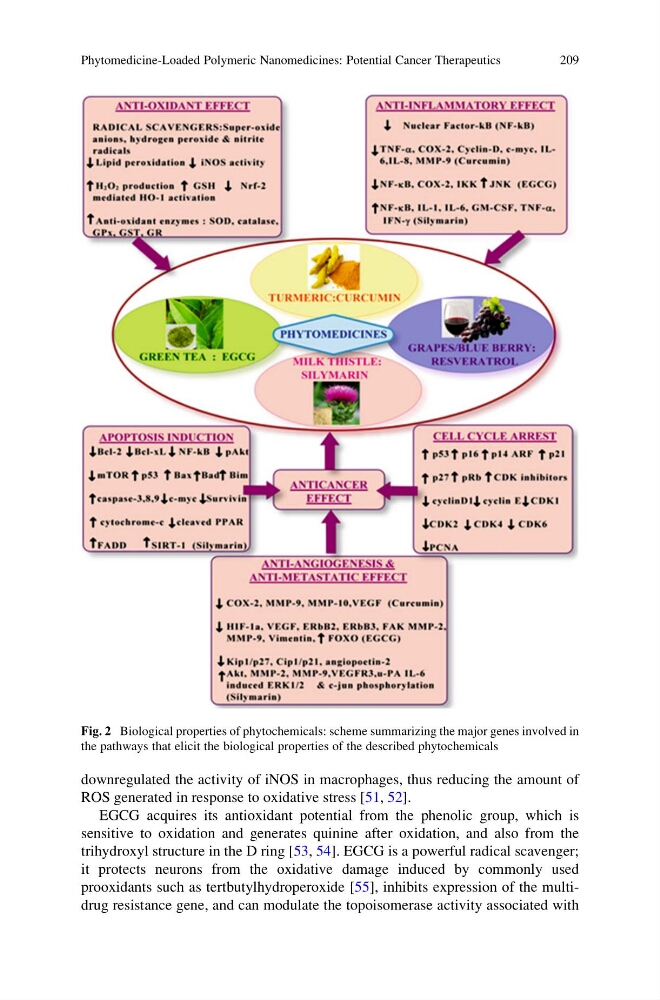
Fig. 2 Biological properties of phytochemicals: scheme summarizing the major genes involved in
the pathways that elicit the biological properties of the described phytochemicals
Phytomedicine-Loaded Polymeric Nanomedicines: Potential Cancer Therapeutics
209
ROS generated in response to oxidative stress [51, 52].
EGCG acquires its antioxidant potential from the phenolic group, which is
sensitive to oxidation and generates quinine after oxidation, and also from the
trihydroxyl structure in the D ring [53, 54]. EGCG is a powerful radical scavenger;
it protects neurons from the oxidative damage induced by commonly used
prooxidants such as tertbutylhydroperoxide [55], inhibits expression of the multidrug resistance gene, and can modulate the topoisomerase activity associated with
Fig. 2 Biological properties of phytochemicals: scheme summarizing the major genes involved in
the pathways that elicit the biological properties of the described phytochemicals
Phytomedicine-Loaded Polymeric Nanomedicines: Potential Cancer Therapeutics
209