

Direct comparison of literature data regarding the copolymerization abilities of
metallocene catalysts is difficult, as the copolymerization studies with longer
1-olefins have usually been carried out with a limited selection of catalysts under
different polymerization conditions [6, 33–37]. Furthermore, some comparisons
provide contradictory data, possibly due to differences in experimental setup
control.
The basic zirconocene, Cp 2 ZrCl 2 (1), is highly reactive towards ethylene and
moderately reactive towards comonomer insertion [38]. The structure of the catalyst does not hinder free rotation of the ligands. This leads to a dramatic decrease in
Zr
Zr
Zr
Cl
Cl
Cl
Cl
Cl
Zr
Cl
Cl
Cl
Zr
O
O
O
O
O
O
O
Si
Si
Si
Si
Si
Cl
Cl
Cl
Cl
Cl
Si
O
O
Zr
Zr
Zr
Si
Cl
Si
Si
Si
Si
O
Cl
Cl
Cl
Cl
Cl
Cl
Cl
Cl
Cl
Cl
Hf
Ti
N
Si
Si
Cl
Cl
Cl
Cl
Cl
Cl
Cl
Zr
Cl
Cl
Cl
Cl
Zr
Zr
Zr
Si
Si
Zr
Zr
Zr
Cl
Cl
Cl
Cl
Zr
Zr
(1)
(2)
(3)
(8)
(11)
(4)
(7)
(6)
(9)
(10)
(12)
(14)
(5)
(13)
(15)
(16)
(17)
(19)
(18)
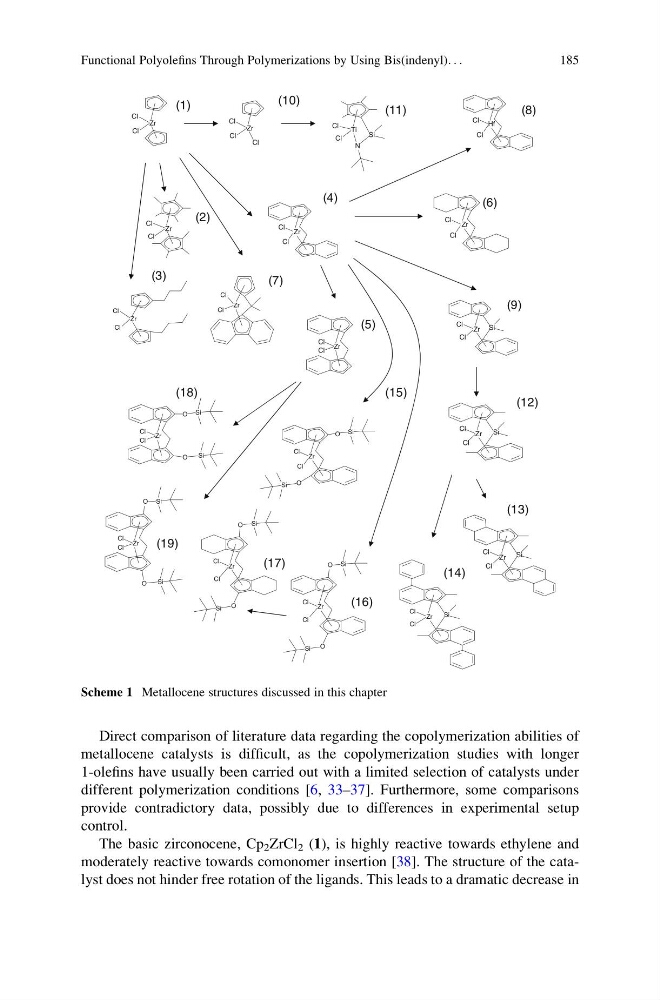
Scheme 1 Metallocene structures discussed in this chapter
Functional Polyolefins Through Polymerizations by Using Bis(indenyl). . .
185
metallocene catalysts is difficult, as the copolymerization studies with longer
1-olefins have usually been carried out with a limited selection of catalysts under
different polymerization conditions [6, 33–37]. Furthermore, some comparisons
provide contradictory data, possibly due to differences in experimental setup
control.
The basic zirconocene, Cp 2 ZrCl 2 (1), is highly reactive towards ethylene and
moderately reactive towards comonomer insertion [38]. The structure of the catalyst does not hinder free rotation of the ligands. This leads to a dramatic decrease in
Zr
Zr
Zr
Cl
Cl
Cl
Cl
Cl
Zr
Cl
Cl
Cl
Zr
O
O
O
O
O
O
O
Si
Si
Si
Si
Si
Cl
Cl
Cl
Cl
Cl
Si
O
O
Zr
Zr
Zr
Si
Cl
Si
Si
Si
Si
O
Cl
Cl
Cl
Cl
Cl
Cl
Cl
Cl
Cl
Cl
Hf
Ti
N
Si
Si
Cl
Cl
Cl
Cl
Cl
Cl
Cl
Zr
Cl
Cl
Cl
Cl
Zr
Zr
Zr
Si
Si
Zr
Zr
Zr
Cl
Cl
Cl
Cl
Zr
Zr
(1)
(2)
(3)
(8)
(11)
(4)
(7)
(6)
(9)
(10)
(12)
(14)
(5)
(13)
(15)
(16)
(17)
(19)
(18)
Scheme 1 Metallocene structures discussed in this chapter
Functional Polyolefins Through Polymerizations by Using Bis(indenyl). . .
185