

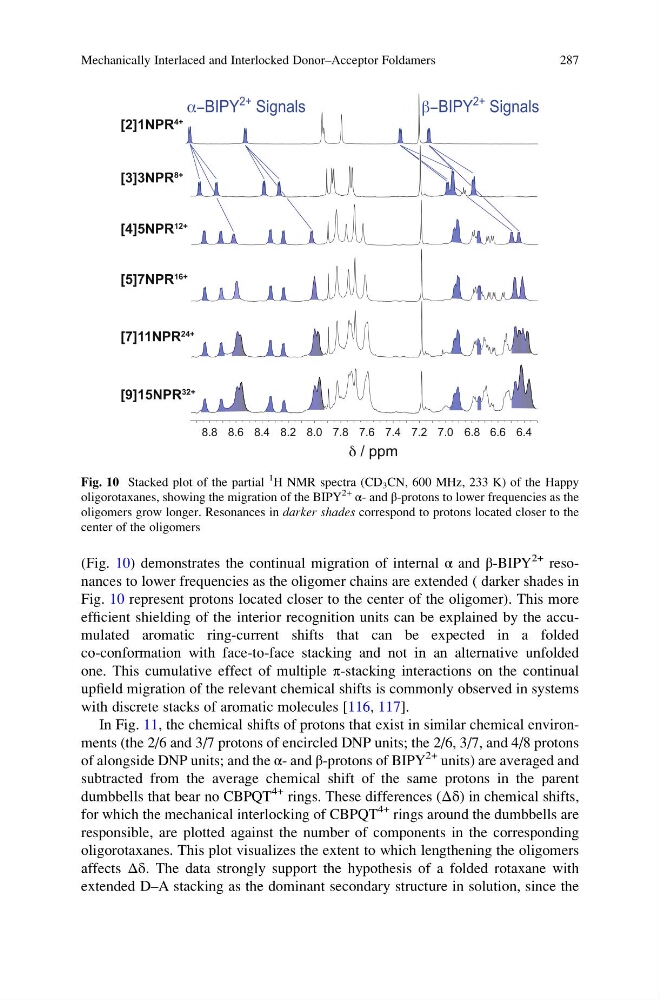
(Fig. 10) demonstrates the continual migration of internal α and β-BIPY
2+ resonances to lower frequencies as the oligomer chains are extended ( darker shades in
Fig. 10 represent protons located closer to the center of the oligomer). This more
efficient shielding of the interior recognition units can be explained by the accumulated aromatic ring-current shifts that can be expected in a folded
co-conformation with face-to-face stacking and not in an alternative unfolded
one. This cumulative effect of multiple π-stacking interactions on the continual
upfield migration of the relevant chemical shifts is commonly observed in systems
with discrete stacks of aromatic molecules [116, 117].
In Fig. 11, the chemical shifts of protons that exist in similar chemical environments (the 2/6 and 3/7 protons of encircled DNP units; the 2/6, 3/7, and 4/8 protons
of alongside DNP units; and the α- and β-protons of BIPY
2+ units) are averaged and
subtracted from the average chemical shift of the same protons in the parent
dumbbells that bear no CBPQT
4+ rings. These differences (Δδ) in chemical shifts,
for which the mechanical interlocking of CBPQT
4+ rings around the dumbbells are
responsible, are plotted against the number of components in the corresponding
oligorotaxanes. This plot visualizes the extent to which lengthening the oligomers
affects Δδ. The data strongly support the hypothesis of a folded rotaxane with
extended D–A stacking as the dominant secondary structure in solution, since the
Fig. 10 Stacked plot of the partial
1
H NMR spectra (CD 3 CN, 600 MHz, 233 K) of the Happy
oligorotaxanes, showing the migration of the BIPY
2+ α- and β-protons to lower frequencies as the
oligomers grow longer. Resonances in darker shades correspond to protons located closer to the
center of the oligomers
Mechanically Interlaced and Interlocked Donor–Acceptor Foldamers
287
2+ resonances to lower frequencies as the oligomer chains are extended ( darker shades in
Fig. 10 represent protons located closer to the center of the oligomer). This more
efficient shielding of the interior recognition units can be explained by the accumulated aromatic ring-current shifts that can be expected in a folded
co-conformation with face-to-face stacking and not in an alternative unfolded
one. This cumulative effect of multiple π-stacking interactions on the continual
upfield migration of the relevant chemical shifts is commonly observed in systems
with discrete stacks of aromatic molecules [116, 117].
In Fig. 11, the chemical shifts of protons that exist in similar chemical environments (the 2/6 and 3/7 protons of encircled DNP units; the 2/6, 3/7, and 4/8 protons
of alongside DNP units; and the α- and β-protons of BIPY
2+ units) are averaged and
subtracted from the average chemical shift of the same protons in the parent
dumbbells that bear no CBPQT
4+ rings. These differences (Δδ) in chemical shifts,
for which the mechanical interlocking of CBPQT
4+ rings around the dumbbells are
responsible, are plotted against the number of components in the corresponding
oligorotaxanes. This plot visualizes the extent to which lengthening the oligomers
affects Δδ. The data strongly support the hypothesis of a folded rotaxane with
extended D–A stacking as the dominant secondary structure in solution, since the
Fig. 10 Stacked plot of the partial
1
H NMR spectra (CD 3 CN, 600 MHz, 233 K) of the Happy
oligorotaxanes, showing the migration of the BIPY
2+ α- and β-protons to lower frequencies as the
oligomers grow longer. Resonances in darker shades correspond to protons located closer to the
center of the oligomers
Mechanically Interlaced and Interlocked Donor–Acceptor Foldamers
287