

The temperature dependence of E
0 and tan δ in the 50/50 XSBR/NR blend, and
in their 3 phr nSiO 2 and PS-nSiO 2 containing nanocomposites are shown in Fig. 15.
The addition of nSiO 2 increased the E
0 of the nanocomposite compared to the neat
rubber blend, indicating that as the XSBR loading is lower, the interaction between
nSiO 2 and XSBR is also decreased, resulting in the aggregation of the nSiO 2 . These
aggregates constrain the movement of the polymer chains. Moreover, the welldispersed of the PS-nSiO 2 in the rubber matrix may cause a slight increase in the E
0
at the temperature above 10
C. However, there is no significant change for either of
the Tg values for the NR and XSBR in the rubber blend and their
nanocomposites [97].
Finally, the variation in E
0 and tan δ of the 30/70 XSBR/NR blend and their 3 phr
nSiO 2 and PS-nSiO2 containing nanocomposites as a function of temperature are
shown in Fig. 16. The addition of the nSiO2 to the NR-rich rubber blend slightly
increased the E
0 of the system, because the nSiO 2 aggregates prevents the free
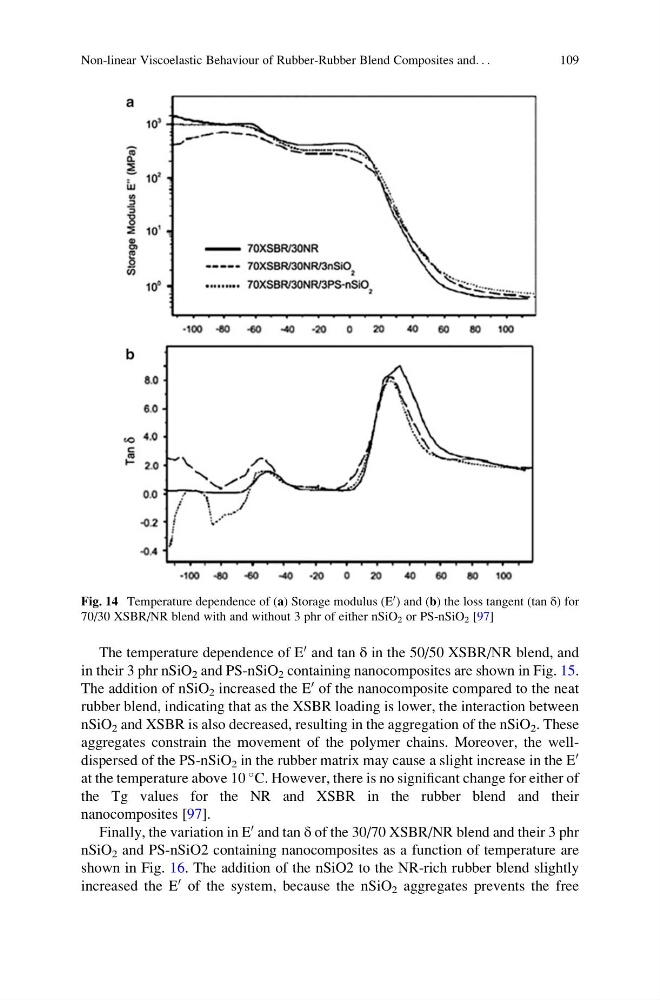
Fig. 14 Temperature dependence of (a) Storage modulus (E
0 ) and (b) the loss tangent (tan δ) for
70/30 XSBR/NR blend with and without 3 phr of either nSiO 2 or PS-nSiO 2 [97]
Non-linear Viscoelastic Behaviour of Rubber-Rubber Blend Composites and. . .
109
0 and tan δ in the 50/50 XSBR/NR blend, and
in their 3 phr nSiO 2 and PS-nSiO 2 containing nanocomposites are shown in Fig. 15.
The addition of nSiO 2 increased the E
0 of the nanocomposite compared to the neat
rubber blend, indicating that as the XSBR loading is lower, the interaction between
nSiO 2 and XSBR is also decreased, resulting in the aggregation of the nSiO 2 . These
aggregates constrain the movement of the polymer chains. Moreover, the welldispersed of the PS-nSiO 2 in the rubber matrix may cause a slight increase in the E
0
at the temperature above 10
C. However, there is no significant change for either of
the Tg values for the NR and XSBR in the rubber blend and their
nanocomposites [97].
Finally, the variation in E
0 and tan δ of the 30/70 XSBR/NR blend and their 3 phr
nSiO 2 and PS-nSiO2 containing nanocomposites as a function of temperature are
shown in Fig. 16. The addition of the nSiO2 to the NR-rich rubber blend slightly
increased the E
0 of the system, because the nSiO 2 aggregates prevents the free
Fig. 14 Temperature dependence of (a) Storage modulus (E
0 ) and (b) the loss tangent (tan δ) for
70/30 XSBR/NR blend with and without 3 phr of either nSiO 2 or PS-nSiO 2 [97]
Non-linear Viscoelastic Behaviour of Rubber-Rubber Blend Composites and. . .
109