

66
V. Shree et al.
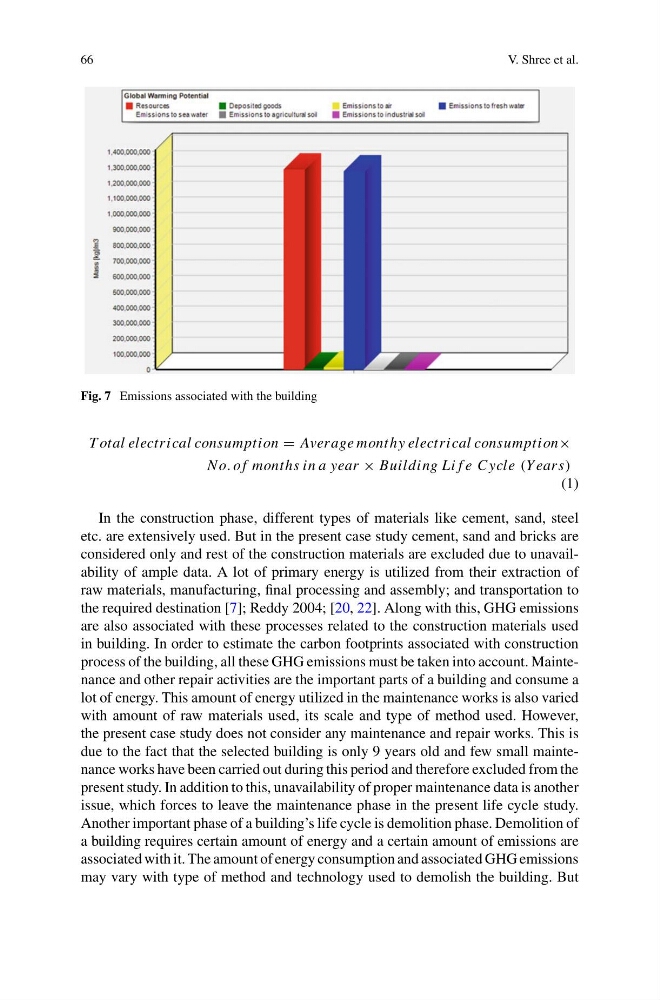
Fig. 7 Emissions associated with the building
T otal electrical consumption = Average monthy electrical consumption×
N o. of months in a year × Building Li f e C ycle (Y ears)
(1)
In the construction phase, different types of materials like cement, sand, steel
etc. are extensively used. But in the present case study cement, sand and bricks are
considered only and rest of the construction materials are excluded due to unavailability of ample data. A lot of primary energy is utilized from their extraction of
raw materials, manufacturing, final processing and assembly; and transportation to
the required destination [7]; Reddy 2004; [20, 22]. Along with this, GHG emissions
are also associated with these processes related to the construction materials used
in building. In order to estimate the carbon footprints associated with construction
process of the building, all these GHG emissions must be taken into account. Maintenance and other repair activities are the important parts of a building and consume a
lot of energy. This amount of energy utilized in the maintenance works is also varied
with amount of raw materials used, its scale and type of method used. However,
the present case study does not consider any maintenance and repair works. This is
due to the fact that the selected building is only 9 years old and few small maintenance works have been carried out during this period and therefore excluded from the
present study. In addition to this, unavailability of proper maintenance data is another
issue, which forces to leave the maintenance phase in the present life cycle study.
Another important phase of a building’s life cycle is demolition phase. Demolition of
a building requires certain amount of energy and a certain amount of emissions are
associated with it. The amount of energy consumption and associated GHG emissions
may vary with type of method and technology used to demolish the building. But
V. Shree et al.
Fig. 7 Emissions associated with the building
T otal electrical consumption = Average monthy electrical consumption×
N o. of months in a year × Building Li f e C ycle (Y ears)
(1)
In the construction phase, different types of materials like cement, sand, steel
etc. are extensively used. But in the present case study cement, sand and bricks are
considered only and rest of the construction materials are excluded due to unavailability of ample data. A lot of primary energy is utilized from their extraction of
raw materials, manufacturing, final processing and assembly; and transportation to
the required destination [7]; Reddy 2004; [20, 22]. Along with this, GHG emissions
are also associated with these processes related to the construction materials used
in building. In order to estimate the carbon footprints associated with construction
process of the building, all these GHG emissions must be taken into account. Maintenance and other repair activities are the important parts of a building and consume a
lot of energy. This amount of energy utilized in the maintenance works is also varied
with amount of raw materials used, its scale and type of method used. However,
the present case study does not consider any maintenance and repair works. This is
due to the fact that the selected building is only 9 years old and few small maintenance works have been carried out during this period and therefore excluded from the
present study. In addition to this, unavailability of proper maintenance data is another
issue, which forces to leave the maintenance phase in the present life cycle study.
Another important phase of a building’s life cycle is demolition phase. Demolition of
a building requires certain amount of energy and a certain amount of emissions are
associated with it. The amount of energy consumption and associated GHG emissions
may vary with type of method and technology used to demolish the building. But