

order of addition is essential for efficacy. Drainage and retention are significantly
increased if the PC is added before adding the PA, a treatment usually superior to
the addition of a single PC. However, the dose rates of such systems are said to be
often higher than those for single polymers [9]. It may be that the optimum polymer
balance was not reached in these cases.
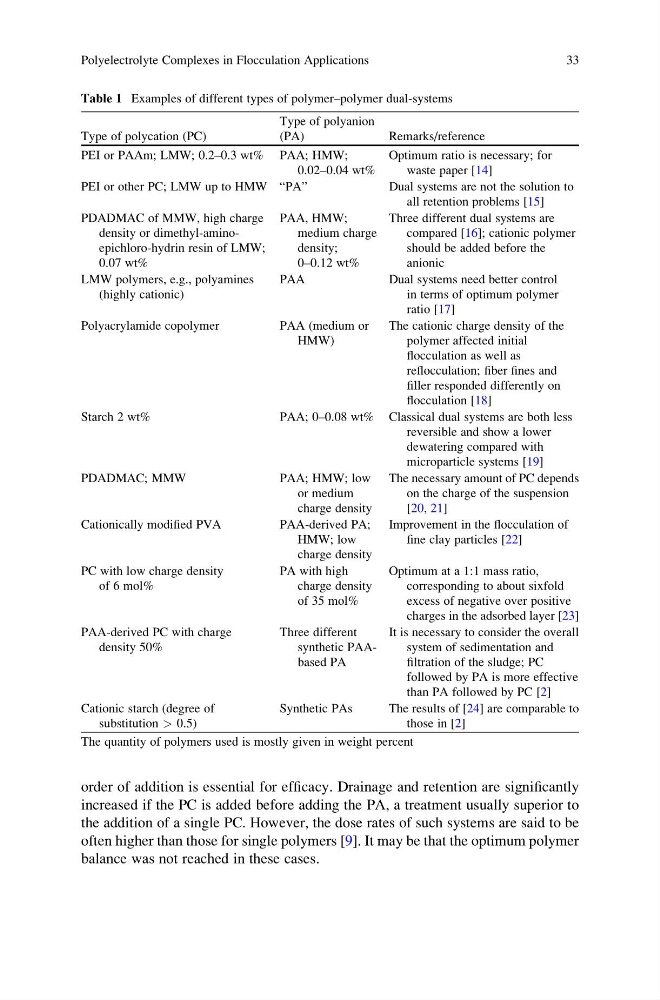
Table 1 Examples of different types of polymer–polymer dual-systems
Type of polycation (PC)
Type of polyanion
(PA)
Remarks/reference
PEI or PAAm; LMW; 0.2–0.3 wt% PAA; HMW;
0.02–0.04 wt%
Optimum ratio is necessary; for
waste paper [14]
PEI or other PC; LMW up to HMW “PA”
Dual systems are not the solution to
all retention problems [15]
PDADMAC of MMW, high charge
density or dimethyl-aminoepichloro-hydrin resin of LMW;
0.07 wt%
PAA, HMW;
medium charge
density;
0–0.12 wt%
Three different dual systems are
compared [16]; cationic polymer
should be added before the
anionic
LMW polymers, e.g., polyamines
(highly cationic)
PAA
Dual systems need better control
in terms of optimum polymer
ratio [17]
Polyacrylamide copolymer
PAA (medium or
HMW)
The cationic charge density of the
polymer affected initial
flocculation as well as
reflocculation; fiber fines and
filler responded differently on
flocculation [18]
Starch 2 wt%
PAA; 0–0.08 wt% Classical dual systems are both less
reversible and show a lower
dewatering compared with
microparticle systems [19]
PDADMAC; MMW
PAA; HMW; low
or medium
charge density
The necessary amount of PC depends
on the charge of the suspension
[20, 21]
Cationically modified PVA
PAA-derived PA;
HMW; low
charge density
Improvement in the flocculation of
fine clay particles [22]
PC with low charge density
of 6 mol%
PA with high
charge density
of 35 mol%
Optimum at a 1:1 mass ratio,
corresponding to about sixfold
excess of negative over positive
charges in the adsorbed layer [23]
PAA-derived PC with charge
density 50%
Three different
synthetic PAAbased PA
It is necessary to consider the overall
system of sedimentation and
filtration of the sludge; PC
followed by PA is more effective
than PA followed by PC [2]
Cationic starch (degree of
substitution > 0.5)
Synthetic PAs
The results of [24] are comparable to
those in [2]
The quantity of polymers used is mostly given in weight percent
Polyelectrolyte Complexes in Flocculation Applications
33
increased if the PC is added before adding the PA, a treatment usually superior to
the addition of a single PC. However, the dose rates of such systems are said to be
often higher than those for single polymers [9]. It may be that the optimum polymer
balance was not reached in these cases.
Table 1 Examples of different types of polymer–polymer dual-systems
Type of polycation (PC)
Type of polyanion
(PA)
Remarks/reference
PEI or PAAm; LMW; 0.2–0.3 wt% PAA; HMW;
0.02–0.04 wt%
Optimum ratio is necessary; for
waste paper [14]
PEI or other PC; LMW up to HMW “PA”
Dual systems are not the solution to
all retention problems [15]
PDADMAC of MMW, high charge
density or dimethyl-aminoepichloro-hydrin resin of LMW;
0.07 wt%
PAA, HMW;
medium charge
density;
0–0.12 wt%
Three different dual systems are
compared [16]; cationic polymer
should be added before the
anionic
LMW polymers, e.g., polyamines
(highly cationic)
PAA
Dual systems need better control
in terms of optimum polymer
ratio [17]
Polyacrylamide copolymer
PAA (medium or
HMW)
The cationic charge density of the
polymer affected initial
flocculation as well as
reflocculation; fiber fines and
filler responded differently on
flocculation [18]
Starch 2 wt%
PAA; 0–0.08 wt% Classical dual systems are both less
reversible and show a lower
dewatering compared with
microparticle systems [19]
PDADMAC; MMW
PAA; HMW; low
or medium
charge density
The necessary amount of PC depends
on the charge of the suspension
[20, 21]
Cationically modified PVA
PAA-derived PA;
HMW; low
charge density
Improvement in the flocculation of
fine clay particles [22]
PC with low charge density
of 6 mol%
PA with high
charge density
of 35 mol%
Optimum at a 1:1 mass ratio,
corresponding to about sixfold
excess of negative over positive
charges in the adsorbed layer [23]
PAA-derived PC with charge
density 50%
Three different
synthetic PAAbased PA
It is necessary to consider the overall
system of sedimentation and
filtration of the sludge; PC
followed by PA is more effective
than PA followed by PC [2]
Cationic starch (degree of
substitution > 0.5)
Synthetic PAs
The results of [24] are comparable to
those in [2]
The quantity of polymers used is mostly given in weight percent
Polyelectrolyte Complexes in Flocculation Applications
33