

TiO 2 -NPs exposure (Roh et al. 2010; Lapied et al. 2011).
TiO 2 -NPs reported to have induced immunotoxicity, cytotoxicity and genotoxicity, and thus affect physiology and
reproductive processes of fishes and their larvae (Jovanović
and Palić 2012; Ramsden et al. 2013; Vignardi et al. 2015).
Potential impacts of TiO 2 -NPs on vertebrates or high-level
organisms were also investigated where they led to cell
injury, apoptosis, oxidation and DNA damage and aging
(Baan et al. 2006; Trouiller et al. 2009; Shah et al. 2017;
Hou et al. 2019). In conclusion, the different impacts of NPs
on various components of ecosystem are very complex and
diverse, and depend on various physico-chemical characters
of NPs. However, their behavior and fate in natural systems
must be evaluated well to understand the environmental
hazards associated with them.
3.2 Phytotoxicity of TiO 2 -NPs
As plants play a crucial role in food chain of any ecosystem,
thus any damage to them would be noxious for each factor
and ultimately leads to imbalance in ecosystem (Ma et al.
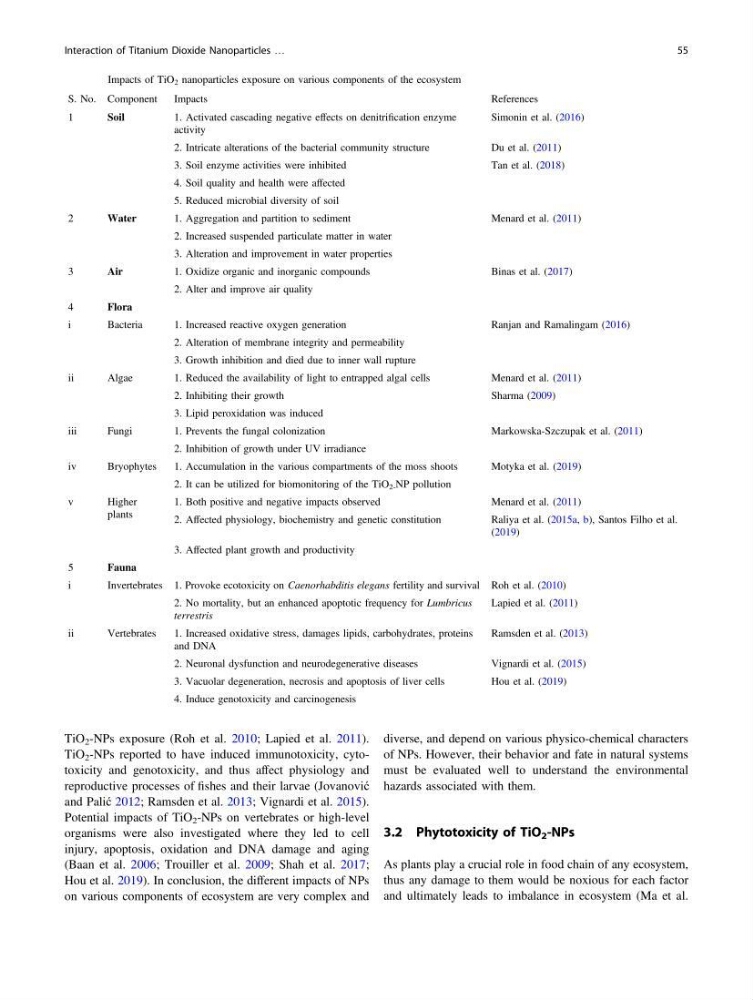
Table 1 Impacts of TiO 2 nanoparticles exposure on various components of the ecosystem
S. No. Component
Impacts
References
1
Soil
1. Activated cascading negative effects on denitrification enzyme
activity
Simonin et al. (2016)
2. Intricate alterations of the bacterial community structure
Du et al. (2011)
3. Soil enzyme activities were inhibited
Tan et al. (2018)
4. Soil quality and health were affected
5. Reduced microbial diversity of soil
2
Water
1. Aggregation and partition to sediment
Menard et al. (2011)
2. Increased suspended particulate matter in water
3. Alteration and improvement in water properties
3
Air
1. Oxidize organic and inorganic compounds
Binas et al. (2017)
2. Alter and improve air quality
4
Flora
i
Bacteria
1. Increased reactive oxygen generation
Ranjan and Ramalingam (2016)
2. Alteration of membrane integrity and permeability
3. Growth inhibition and died due to inner wall rupture
ii
Algae
1. Reduced the availability of light to entrapped algal cells
Menard et al. (2011)
2. Inhibiting their growth
Sharma (2009)
3. Lipid peroxidation was induced
iii
Fungi
1. Prevents the fungal colonization
Markowska-Szczupak et al. (2011)
2. Inhibition of growth under UV irradiance
iv
Bryophytes
1. Accumulation in the various compartments of the moss shoots
Motyka et al. (2019)
2. It can be utilized for biomonitoring of the TiO 2- NP pollution
v
Higher
plants
1. Both positive and negative impacts observed
Menard et al. (2011)
2. Affected physiology, biochemistry and genetic constitution
Raliya et al. (2015a, b), Santos Filho et al.
(2019)
3. Affected plant growth and productivity
5
Fauna
i
Invertebrates 1. Provoke ecotoxicity on Caenorhabditis elegans fertility and survival Roh et al. (2010)
2. No mortality, but an enhanced apoptotic frequency for Lumbricus
terrestris
Lapied et al. (2011)
ii
Vertebrates
1. Increased oxidative stress, damages lipids, carbohydrates, proteins
and DNA
Ramsden et al. (2013)
2. Neuronal dysfunction and neurodegenerative diseases
Vignardi et al. (2015)
3. Vacuolar degeneration, necrosis and apoptosis of liver cells
Hou et al. (2019)
4. Induce genotoxicity and carcinogenesis
Interaction of Titanium Dioxide Nanoparticles …
55
TiO 2 -NPs reported to have induced immunotoxicity, cytotoxicity and genotoxicity, and thus affect physiology and
reproductive processes of fishes and their larvae (Jovanović
and Palić 2012; Ramsden et al. 2013; Vignardi et al. 2015).
Potential impacts of TiO 2 -NPs on vertebrates or high-level
organisms were also investigated where they led to cell
injury, apoptosis, oxidation and DNA damage and aging
(Baan et al. 2006; Trouiller et al. 2009; Shah et al. 2017;
Hou et al. 2019). In conclusion, the different impacts of NPs
on various components of ecosystem are very complex and
diverse, and depend on various physico-chemical characters
of NPs. However, their behavior and fate in natural systems
must be evaluated well to understand the environmental
hazards associated with them.
3.2 Phytotoxicity of TiO 2 -NPs
As plants play a crucial role in food chain of any ecosystem,
thus any damage to them would be noxious for each factor
and ultimately leads to imbalance in ecosystem (Ma et al.
Table 1 Impacts of TiO 2 nanoparticles exposure on various components of the ecosystem
S. No. Component
Impacts
References
1
Soil
1. Activated cascading negative effects on denitrification enzyme
activity
Simonin et al. (2016)
2. Intricate alterations of the bacterial community structure
Du et al. (2011)
3. Soil enzyme activities were inhibited
Tan et al. (2018)
4. Soil quality and health were affected
5. Reduced microbial diversity of soil
2
Water
1. Aggregation and partition to sediment
Menard et al. (2011)
2. Increased suspended particulate matter in water
3. Alteration and improvement in water properties
3
Air
1. Oxidize organic and inorganic compounds
Binas et al. (2017)
2. Alter and improve air quality
4
Flora
i
Bacteria
1. Increased reactive oxygen generation
Ranjan and Ramalingam (2016)
2. Alteration of membrane integrity and permeability
3. Growth inhibition and died due to inner wall rupture
ii
Algae
1. Reduced the availability of light to entrapped algal cells
Menard et al. (2011)
2. Inhibiting their growth
Sharma (2009)
3. Lipid peroxidation was induced
iii
Fungi
1. Prevents the fungal colonization
Markowska-Szczupak et al. (2011)
2. Inhibition of growth under UV irradiance
iv
Bryophytes
1. Accumulation in the various compartments of the moss shoots
Motyka et al. (2019)
2. It can be utilized for biomonitoring of the TiO 2- NP pollution
v
Higher
plants
1. Both positive and negative impacts observed
Menard et al. (2011)
2. Affected physiology, biochemistry and genetic constitution
Raliya et al. (2015a, b), Santos Filho et al.
(2019)
3. Affected plant growth and productivity
5
Fauna
i
Invertebrates 1. Provoke ecotoxicity on Caenorhabditis elegans fertility and survival Roh et al. (2010)
2. No mortality, but an enhanced apoptotic frequency for Lumbricus
terrestris
Lapied et al. (2011)
ii
Vertebrates
1. Increased oxidative stress, damages lipids, carbohydrates, proteins
and DNA
Ramsden et al. (2013)
2. Neuronal dysfunction and neurodegenerative diseases
Vignardi et al. (2015)
3. Vacuolar degeneration, necrosis and apoptosis of liver cells
Hou et al. (2019)
4. Induce genotoxicity and carcinogenesis
Interaction of Titanium Dioxide Nanoparticles …
55