

86
S. Bhattacharya et al.
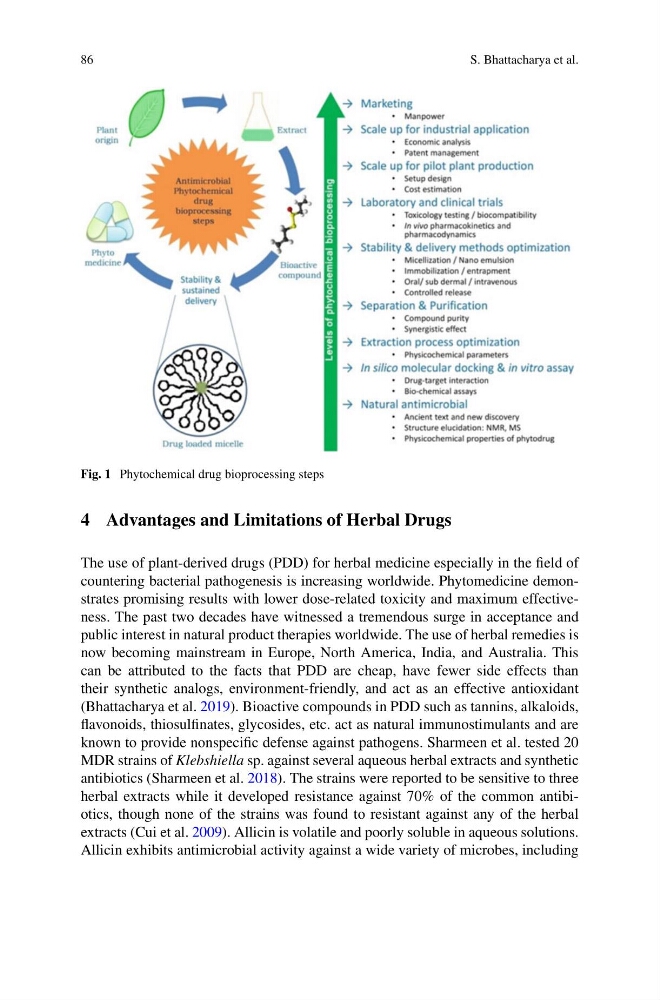
Fig. 1 Phytochemical drug bioprocessing steps
4 Advantages and Limitations of Herbal Drugs
The use of plant-derived drugs (PDD) for herbal medicine especially in the field of
countering bacterial pathogenesis is increasing worldwide. Phytomedicine demonstrates promising results with lower dose-related toxicity and maximum effectiveness. The past two decades have witnessed a tremendous surge in acceptance and
public interest in natural product therapies worldwide. The use of herbal remedies is
now becoming mainstream in Europe, North America, India, and Australia. This
can be attributed to the facts that PDD are cheap, have fewer side effects than
their synthetic analogs, environment-friendly, and act as an effective antioxidant
(Bhattacharya et al. 2019). Bioactive compounds in PDD such as tannins, alkaloids,
flavonoids, thiosulfinates, glycosides, etc. act as natural immunostimulants and are
known to provide nonspecific defense against pathogens. Sharmeen et al. tested 20
MDR strains of Klebshiella sp. against several aqueous herbal extracts and synthetic
antibiotics (Sharmeen et al. 2018). The strains were reported to be sensitive to three
herbal extracts while it developed resistance against 70% of the common antibiotics, though none of the strains was found to resistant against any of the herbal
extracts (Cui et al. 2009). Allicin is volatile and poorly soluble in aqueous solutions.
Allicin exhibits antimicrobial activity against a wide variety of microbes, including
S. Bhattacharya et al.
Fig. 1 Phytochemical drug bioprocessing steps
4 Advantages and Limitations of Herbal Drugs
The use of plant-derived drugs (PDD) for herbal medicine especially in the field of
countering bacterial pathogenesis is increasing worldwide. Phytomedicine demonstrates promising results with lower dose-related toxicity and maximum effectiveness. The past two decades have witnessed a tremendous surge in acceptance and
public interest in natural product therapies worldwide. The use of herbal remedies is
now becoming mainstream in Europe, North America, India, and Australia. This
can be attributed to the facts that PDD are cheap, have fewer side effects than
their synthetic analogs, environment-friendly, and act as an effective antioxidant
(Bhattacharya et al. 2019). Bioactive compounds in PDD such as tannins, alkaloids,
flavonoids, thiosulfinates, glycosides, etc. act as natural immunostimulants and are
known to provide nonspecific defense against pathogens. Sharmeen et al. tested 20
MDR strains of Klebshiella sp. against several aqueous herbal extracts and synthetic
antibiotics (Sharmeen et al. 2018). The strains were reported to be sensitive to three
herbal extracts while it developed resistance against 70% of the common antibiotics, though none of the strains was found to resistant against any of the herbal
extracts (Cui et al. 2009). Allicin is volatile and poorly soluble in aqueous solutions.
Allicin exhibits antimicrobial activity against a wide variety of microbes, including