

Wound Healing and Antimicrobial Property of Phytofabricated …
481
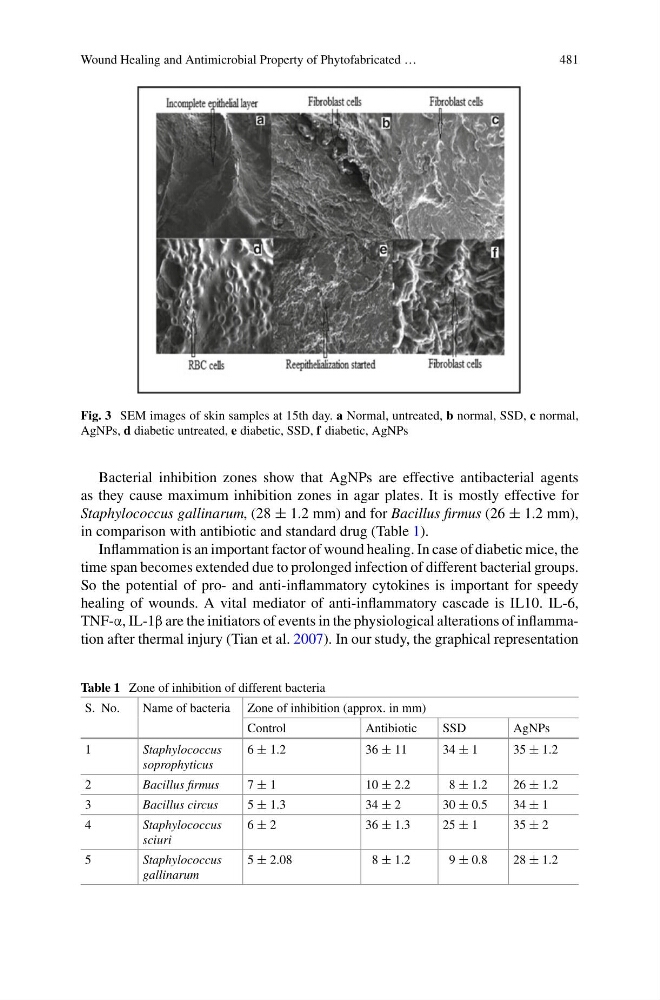
Fig. 3 SEM images of skin samples at 15th day. a Normal, untreated, b normal, SSD, c normal,
AgNPs, d diabetic untreated, e diabetic, SSD, f diabetic, AgNPs
Bacterial inhibition zones show that AgNPs are effective antibacterial agents
as they cause maximum inhibition zones in agar plates. It is mostly effective for
Staphylococcus gallinarum, (28 ± 1.2 mm) and for Bacillus firmus (26 ± 1.2 mm),
in comparison with antibiotic and standard drug (Table 1).
Inflammation is an important factor of wound healing. In case of diabetic mice, the
time span becomes extended due to prolonged infection of different bacterial groups.
So the potential of pro- and anti-inflammatory cytokines is important for speedy
healing of wounds. A vital mediator of anti-inflammatory cascade is IL10. IL-6,
TNF-α, IL-1β are the initiators of events in the physiological alterations of inflammation after thermal injury (Tian et al. 2007). In our study, the graphical representation
Table 1 Zone of inhibition of different bacteria
S. No.
Name of bacteria Zone of inhibition (approx. in mm)
Control
Antibiotic
SSD
AgNPs
1
Staphylococcus
soprophyticus
6 ± 1.2
36 ± 11
34 ± 1
35 ± 1.2
2
Bacillus firmus
7 ± 1
10 ± 2.2
8 ± 1.2
26 ± 1.2
3
Bacillus circus
5 ± 1.3
34 ± 2
30 ± 0.5
34 ± 1
4
Staphylococcus
sciuri
6 ± 2
36 ± 1.3
25 ± 1
35 ± 2
5
Staphylococcus
gallinarum
5 ± 2.08
8 ± 1.2
9 ± 0.8
28 ± 1.2
481
Fig. 3 SEM images of skin samples at 15th day. a Normal, untreated, b normal, SSD, c normal,
AgNPs, d diabetic untreated, e diabetic, SSD, f diabetic, AgNPs
Bacterial inhibition zones show that AgNPs are effective antibacterial agents
as they cause maximum inhibition zones in agar plates. It is mostly effective for
Staphylococcus gallinarum, (28 ± 1.2 mm) and for Bacillus firmus (26 ± 1.2 mm),
in comparison with antibiotic and standard drug (Table 1).
Inflammation is an important factor of wound healing. In case of diabetic mice, the
time span becomes extended due to prolonged infection of different bacterial groups.
So the potential of pro- and anti-inflammatory cytokines is important for speedy
healing of wounds. A vital mediator of anti-inflammatory cascade is IL10. IL-6,
TNF-α, IL-1β are the initiators of events in the physiological alterations of inflammation after thermal injury (Tian et al. 2007). In our study, the graphical representation
Table 1 Zone of inhibition of different bacteria
S. No.
Name of bacteria Zone of inhibition (approx. in mm)
Control
Antibiotic
SSD
AgNPs
1
Staphylococcus
soprophyticus
6 ± 1.2
36 ± 11
34 ± 1
35 ± 1.2
2
Bacillus firmus
7 ± 1
10 ± 2.2
8 ± 1.2
26 ± 1.2
3
Bacillus circus
5 ± 1.3
34 ± 2
30 ± 0.5
34 ± 1
4
Staphylococcus
sciuri
6 ± 2
36 ± 1.3
25 ± 1
35 ± 2
5
Staphylococcus
gallinarum
5 ± 2.08
8 ± 1.2
9 ± 0.8
28 ± 1.2