

Isolation, Screening, and Evaluation of Cellulase-Producing …
465
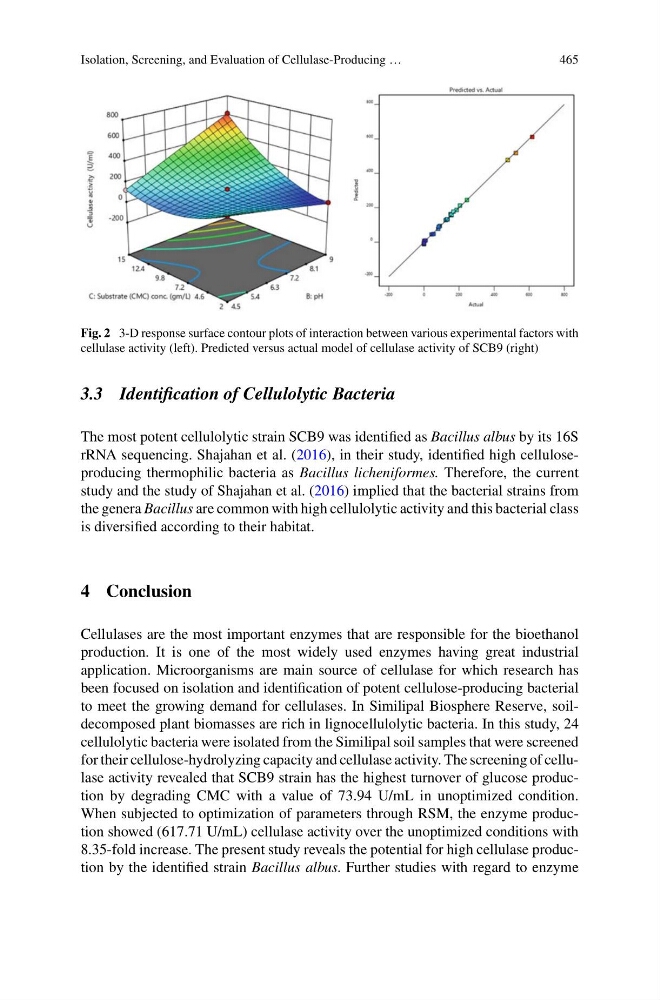
Fig. 2 3-D response surface contour plots of interaction between various experimental factors with
cellulase activity (left). Predicted versus actual model of cellulase activity of SCB9 (right)
3.3 Identification of Cellulolytic Bacteria
The most potent cellulolytic strain SCB9 was identified as Bacillus albus by its 16S
rRNA sequencing. Shajahan et al. (2016), in their study, identified high celluloseproducing thermophilic bacteria as Bacillus licheniformes. Therefore, the current
study and the study of Shajahan et al. (2016) implied that the bacterial strains from
the genera Bacillus are common with high cellulolytic activity and this bacterial class
is diversified according to their habitat.
4 Conclusion
Cellulases are the most important enzymes that are responsible for the bioethanol
production. It is one of the most widely used enzymes having great industrial
application. Microorganisms are main source of cellulase for which research has
been focused on isolation and identification of potent cellulose-producing bacterial
to meet the growing demand for cellulases. In Similipal Biosphere Reserve, soildecomposed plant biomasses are rich in lignocellulolytic bacteria. In this study, 24
cellulolytic bacteria were isolated from the Similipal soil samples that were screened
for their cellulose-hydrolyzing capacity and cellulase activity. The screening of cellulase activity revealed that SCB9 strain has the highest turnover of glucose production by degrading CMC with a value of 73.94 U/mL in unoptimized condition.
When subjected to optimization of parameters through RSM, the enzyme production showed (617.71 U/mL) cellulase activity over the unoptimized conditions with
8.35-fold increase. The present study reveals the potential for high cellulase production by the identified strain Bacillus albus. Further studies with regard to enzyme
465
Fig. 2 3-D response surface contour plots of interaction between various experimental factors with
cellulase activity (left). Predicted versus actual model of cellulase activity of SCB9 (right)
3.3 Identification of Cellulolytic Bacteria
The most potent cellulolytic strain SCB9 was identified as Bacillus albus by its 16S
rRNA sequencing. Shajahan et al. (2016), in their study, identified high celluloseproducing thermophilic bacteria as Bacillus licheniformes. Therefore, the current
study and the study of Shajahan et al. (2016) implied that the bacterial strains from
the genera Bacillus are common with high cellulolytic activity and this bacterial class
is diversified according to their habitat.
4 Conclusion
Cellulases are the most important enzymes that are responsible for the bioethanol
production. It is one of the most widely used enzymes having great industrial
application. Microorganisms are main source of cellulase for which research has
been focused on isolation and identification of potent cellulose-producing bacterial
to meet the growing demand for cellulases. In Similipal Biosphere Reserve, soildecomposed plant biomasses are rich in lignocellulolytic bacteria. In this study, 24
cellulolytic bacteria were isolated from the Similipal soil samples that were screened
for their cellulose-hydrolyzing capacity and cellulase activity. The screening of cellulase activity revealed that SCB9 strain has the highest turnover of glucose production by degrading CMC with a value of 73.94 U/mL in unoptimized condition.
When subjected to optimization of parameters through RSM, the enzyme production showed (617.71 U/mL) cellulase activity over the unoptimized conditions with
8.35-fold increase. The present study reveals the potential for high cellulase production by the identified strain Bacillus albus. Further studies with regard to enzyme