

84
3 Single Molecule Non-cleavable Multiply Active Antibacterials
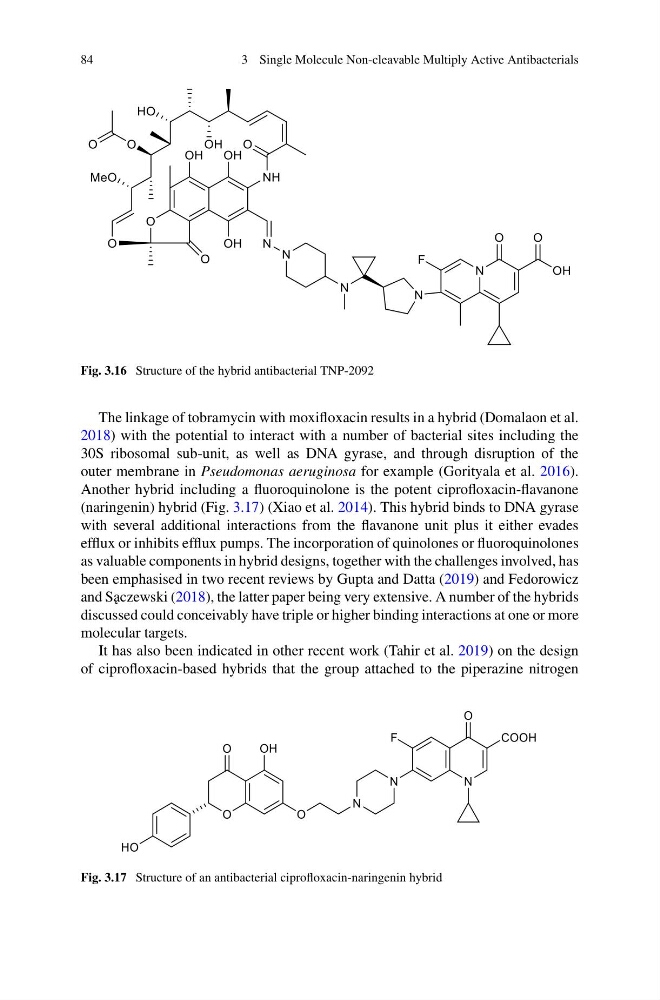
Fig. 3.16 Structure of the hybrid antibacterial TNP-2092
The linkage of tobramycin with moxifloxacin results in a hybrid (Domalaon et al.
2018) with the potential to interact with a number of bacterial sites including the
30S ribosomal sub-unit, as well as DNA gyrase, and through disruption of the
outer membrane in Pseudomonas aeruginosa for example (Gorityala et al. 2016).
Another hybrid including a fluoroquinolone is the potent ciprofloxacin-flavanone
(naringenin) hybrid (Fig. 3.17) (Xiao et al. 2014). This hybrid binds to DNA gyrase
with several additional interactions from the flavanone unit plus it either evades
efflux or inhibits efflux pumps. The incorporation of quinolones or fluoroquinolones
as valuable components in hybrid designs, together with the challenges involved, has
been emphasised in two recent reviews by Gupta and Datta (2019) and Fedorowicz
and S˛ aczewski (2018), the latter paper being very extensive. A number of the hybrids
discussed could conceivably have triple or higher binding interactions at one or more
molecular targets.
It has also been indicated in other recent work (Tahir et al. 2019) on the design
of ciprofloxacin-based hybrids that the group attached to the piperazine nitrogen
Fig. 3.17 Structure of an antibacterial ciprofloxacin-naringenin hybrid
3 Single Molecule Non-cleavable Multiply Active Antibacterials
Fig. 3.16 Structure of the hybrid antibacterial TNP-2092
The linkage of tobramycin with moxifloxacin results in a hybrid (Domalaon et al.
2018) with the potential to interact with a number of bacterial sites including the
30S ribosomal sub-unit, as well as DNA gyrase, and through disruption of the
outer membrane in Pseudomonas aeruginosa for example (Gorityala et al. 2016).
Another hybrid including a fluoroquinolone is the potent ciprofloxacin-flavanone
(naringenin) hybrid (Fig. 3.17) (Xiao et al. 2014). This hybrid binds to DNA gyrase
with several additional interactions from the flavanone unit plus it either evades
efflux or inhibits efflux pumps. The incorporation of quinolones or fluoroquinolones
as valuable components in hybrid designs, together with the challenges involved, has
been emphasised in two recent reviews by Gupta and Datta (2019) and Fedorowicz
and S˛ aczewski (2018), the latter paper being very extensive. A number of the hybrids
discussed could conceivably have triple or higher binding interactions at one or more
molecular targets.
It has also been indicated in other recent work (Tahir et al. 2019) on the design
of ciprofloxacin-based hybrids that the group attached to the piperazine nitrogen
Fig. 3.17 Structure of an antibacterial ciprofloxacin-naringenin hybrid