

3.2 Designing for Mainly Dual Activity
75
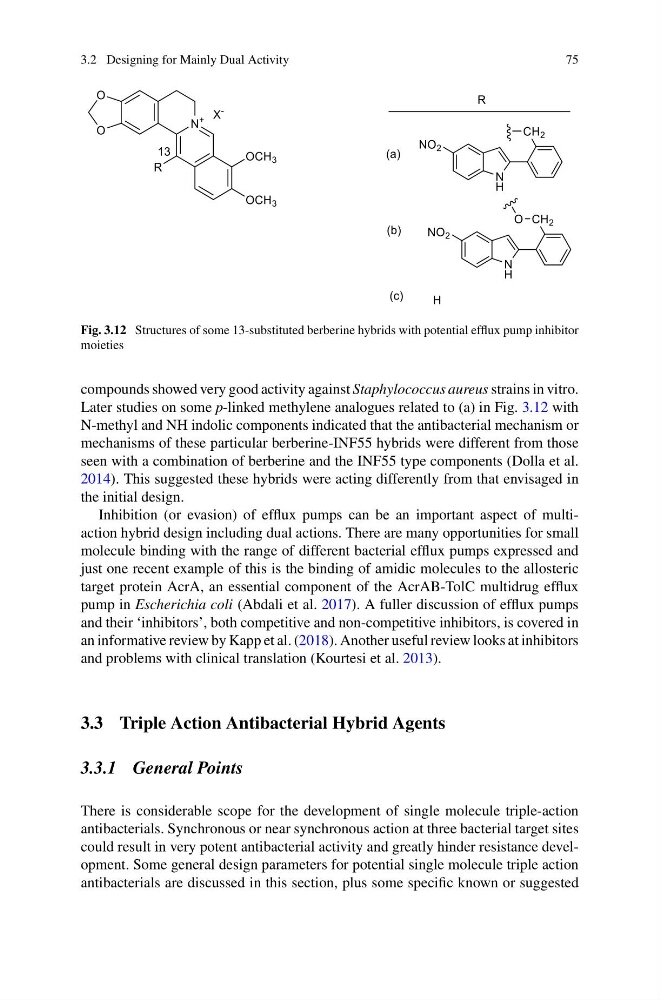
Fig. 3.12 Structures of some 13-substituted berberine hybrids with potential efflux pump inhibitor
moieties
compounds showed very good activity against Staphylococcus aureus strains in vitro.
Later studies on some p-linked methylene analogues related to (a) in Fig. 3.12 with
N-methyl and NH indolic components indicated that the antibacterial mechanism or
mechanisms of these particular berberine-INF55 hybrids were different from those
seen with a combination of berberine and the INF55 type components (Dolla et al.
2014). This suggested these hybrids were acting differently from that envisaged in
the initial design.
Inhibition (or evasion) of efflux pumps can be an important aspect of multiaction hybrid design including dual actions. There are many opportunities for small
molecule binding with the range of different bacterial efflux pumps expressed and
just one recent example of this is the binding of amidic molecules to the allosteric
target protein AcrA, an essential component of the AcrAB-TolC multidrug efflux
pump in Escherichia coli (Abdali et al. 2017). A fuller discussion of efflux pumps
and their ‘inhibitors’, both competitive and non-competitive inhibitors, is covered in
an informative review by Kapp et al. (2018). Another useful review looks at inhibitors
and problems with clinical translation (Kourtesi et al. 2013).
3.3 Triple Action Antibacterial Hybrid Agents
3.3.1 General Points
There is considerable scope for the development of single molecule triple-action
antibacterials. Synchronous or near synchronous action at three bacterial target sites
could result in very potent antibacterial activity and greatly hinder resistance development. Some general design parameters for potential single molecule triple action
antibacterials are discussed in this section, plus some specific known or suggested
75
Fig. 3.12 Structures of some 13-substituted berberine hybrids with potential efflux pump inhibitor
moieties
compounds showed very good activity against Staphylococcus aureus strains in vitro.
Later studies on some p-linked methylene analogues related to (a) in Fig. 3.12 with
N-methyl and NH indolic components indicated that the antibacterial mechanism or
mechanisms of these particular berberine-INF55 hybrids were different from those
seen with a combination of berberine and the INF55 type components (Dolla et al.
2014). This suggested these hybrids were acting differently from that envisaged in
the initial design.
Inhibition (or evasion) of efflux pumps can be an important aspect of multiaction hybrid design including dual actions. There are many opportunities for small
molecule binding with the range of different bacterial efflux pumps expressed and
just one recent example of this is the binding of amidic molecules to the allosteric
target protein AcrA, an essential component of the AcrAB-TolC multidrug efflux
pump in Escherichia coli (Abdali et al. 2017). A fuller discussion of efflux pumps
and their ‘inhibitors’, both competitive and non-competitive inhibitors, is covered in
an informative review by Kapp et al. (2018). Another useful review looks at inhibitors
and problems with clinical translation (Kourtesi et al. 2013).
3.3 Triple Action Antibacterial Hybrid Agents
3.3.1 General Points
There is considerable scope for the development of single molecule triple-action
antibacterials. Synchronous or near synchronous action at three bacterial target sites
could result in very potent antibacterial activity and greatly hinder resistance development. Some general design parameters for potential single molecule triple action
antibacterials are discussed in this section, plus some specific known or suggested