

1.2 RFID System Anti-Collision Technology
17
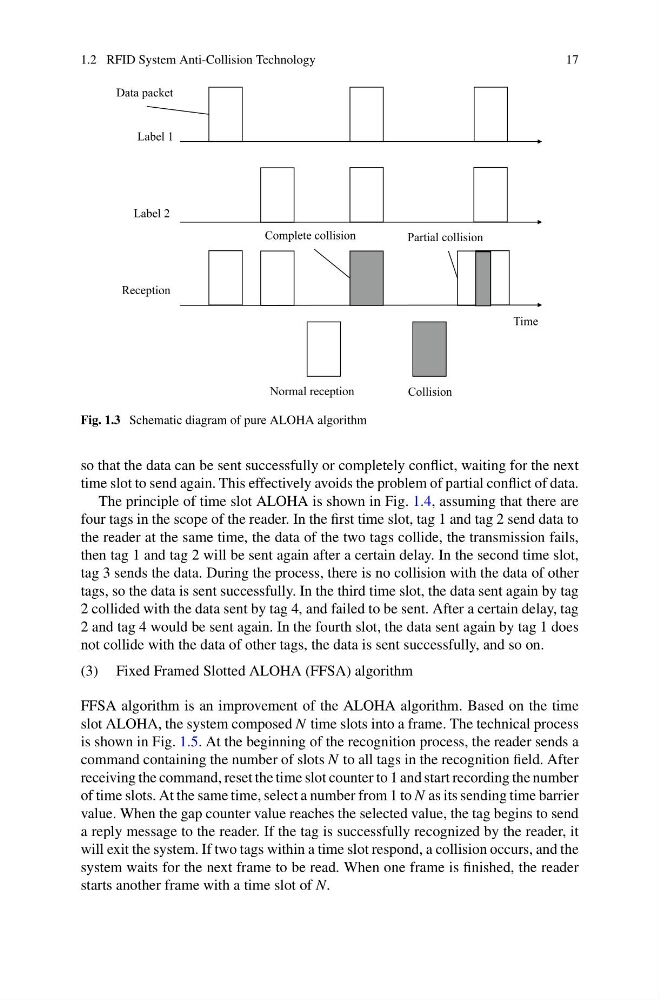
Fig. 1.3 Schematic diagram of pure ALOHA algorithm
so that the data can be sent successfully or completely conflict, waiting for the next
time slot to send again. This effectively avoids the problem of partial conflict of data.
The principle of time slot ALOHA is shown in Fig. 1.4, assuming that there are
four tags in the scope of the reader. In the first time slot, tag 1 and tag 2 send data to
the reader at the same time, the data of the two tags collide, the transmission fails,
then tag 1 and tag 2 will be sent again after a certain delay. In the second time slot,
tag 3 sends the data. During the process, there is no collision with the data of other
tags, so the data is sent successfully. In the third time slot, the data sent again by tag
2 collided with the data sent by tag 4, and failed to be sent. After a certain delay, tag
2 and tag 4 would be sent again. In the fourth slot, the data sent again by tag 1 does
not collide with the data of other tags, the data is sent successfully, and so on.
(3) Fixed Framed Slotted ALOHA (FFSA) algorithm
FFSA algorithm is an improvement of the ALOHA algorithm. Based on the time
slot ALOHA, the system composed N time slots into a frame. The technical process
is shown in Fig. 1.5. At the beginning of the recognition process, the reader sends a
command containing the number of slots N to all tags in the recognition field. After
receiving the command, reset the time slot counter to 1 and start recording the number
of time slots. At the same time, select a number from 1 to N as its sending time barrier
value. When the gap counter value reaches the selected value, the tag begins to send
a reply message to the reader. If the tag is successfully recognized by the reader, it
will exit the system. If two tags within a time slot respond, a collision occurs, and the
system waits for the next frame to be read. When one frame is finished, the reader
starts another frame with a time slot of N.
17
Fig. 1.3 Schematic diagram of pure ALOHA algorithm
so that the data can be sent successfully or completely conflict, waiting for the next
time slot to send again. This effectively avoids the problem of partial conflict of data.
The principle of time slot ALOHA is shown in Fig. 1.4, assuming that there are
four tags in the scope of the reader. In the first time slot, tag 1 and tag 2 send data to
the reader at the same time, the data of the two tags collide, the transmission fails,
then tag 1 and tag 2 will be sent again after a certain delay. In the second time slot,
tag 3 sends the data. During the process, there is no collision with the data of other
tags, so the data is sent successfully. In the third time slot, the data sent again by tag
2 collided with the data sent by tag 4, and failed to be sent. After a certain delay, tag
2 and tag 4 would be sent again. In the fourth slot, the data sent again by tag 1 does
not collide with the data of other tags, the data is sent successfully, and so on.
(3) Fixed Framed Slotted ALOHA (FFSA) algorithm
FFSA algorithm is an improvement of the ALOHA algorithm. Based on the time
slot ALOHA, the system composed N time slots into a frame. The technical process
is shown in Fig. 1.5. At the beginning of the recognition process, the reader sends a
command containing the number of slots N to all tags in the recognition field. After
receiving the command, reset the time slot counter to 1 and start recording the number
of time slots. At the same time, select a number from 1 to N as its sending time barrier
value. When the gap counter value reaches the selected value, the tag begins to send
a reply message to the reader. If the tag is successfully recognized by the reader, it
will exit the system. If two tags within a time slot respond, a collision occurs, and the
system waits for the next frame to be read. When one frame is finished, the reader
starts another frame with a time slot of N.