

300
D. Cotoros et al.
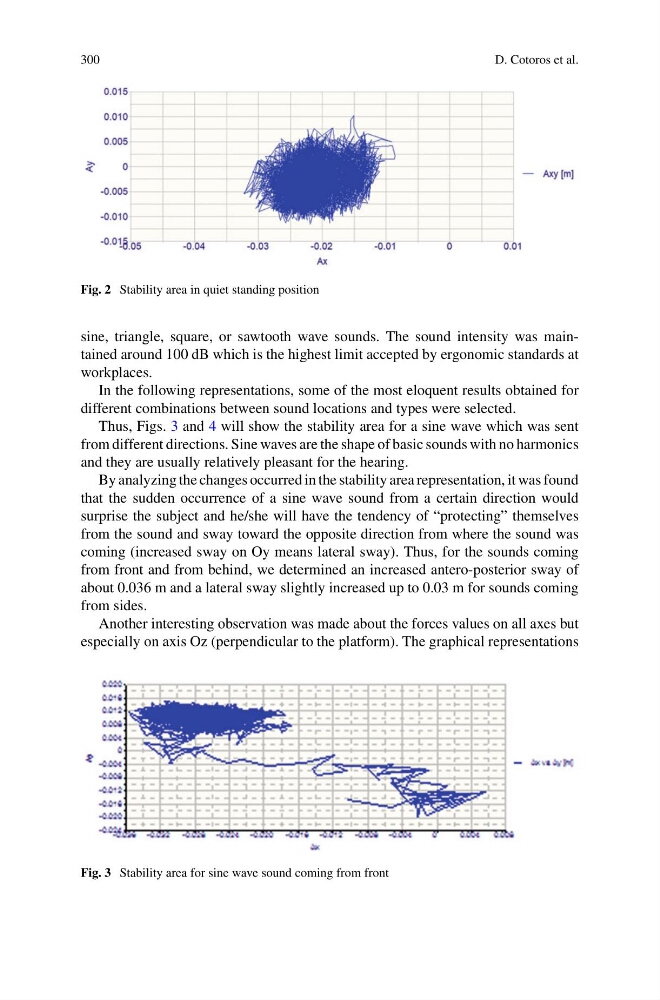
Fig. 2 Stability area in quiet standing position
sine, triangle, square, or sawtooth wave sounds. The sound intensity was maintained around 100 dB which is the highest limit accepted by ergonomic standards at
workplaces.
In the following representations, some of the most eloquent results obtained for
different combinations between sound locations and types were selected.
Thus, Figs. 3 and 4 will show the stability area for a sine wave which was sent
from different directions. Sine waves are the shape of basic sounds with no harmonics
and they are usually relatively pleasant for the hearing.
By analyzing the changes occurred in the stability area representation, it was found
that the sudden occurrence of a sine wave sound from a certain direction would
surprise the subject and he/she will have the tendency of “protecting” themselves
from the sound and sway toward the opposite direction from where the sound was
coming (increased sway on Oy means lateral sway). Thus, for the sounds coming
from front and from behind, we determined an increased antero-posterior sway of
about 0.036 m and a lateral sway slightly increased up to 0.03 m for sounds coming
from sides.
Another interesting observation was made about the forces values on all axes but
especially on axis Oz (perpendicular to the platform). The graphical representations
Fig. 3 Stability area for sine wave sound coming from front
D. Cotoros et al.
Fig. 2 Stability area in quiet standing position
sine, triangle, square, or sawtooth wave sounds. The sound intensity was maintained around 100 dB which is the highest limit accepted by ergonomic standards at
workplaces.
In the following representations, some of the most eloquent results obtained for
different combinations between sound locations and types were selected.
Thus, Figs. 3 and 4 will show the stability area for a sine wave which was sent
from different directions. Sine waves are the shape of basic sounds with no harmonics
and they are usually relatively pleasant for the hearing.
By analyzing the changes occurred in the stability area representation, it was found
that the sudden occurrence of a sine wave sound from a certain direction would
surprise the subject and he/she will have the tendency of “protecting” themselves
from the sound and sway toward the opposite direction from where the sound was
coming (increased sway on Oy means lateral sway). Thus, for the sounds coming
from front and from behind, we determined an increased antero-posterior sway of
about 0.036 m and a lateral sway slightly increased up to 0.03 m for sounds coming
from sides.
Another interesting observation was made about the forces values on all axes but
especially on axis Oz (perpendicular to the platform). The graphical representations
Fig. 3 Stability area for sine wave sound coming from front